
Why Burton
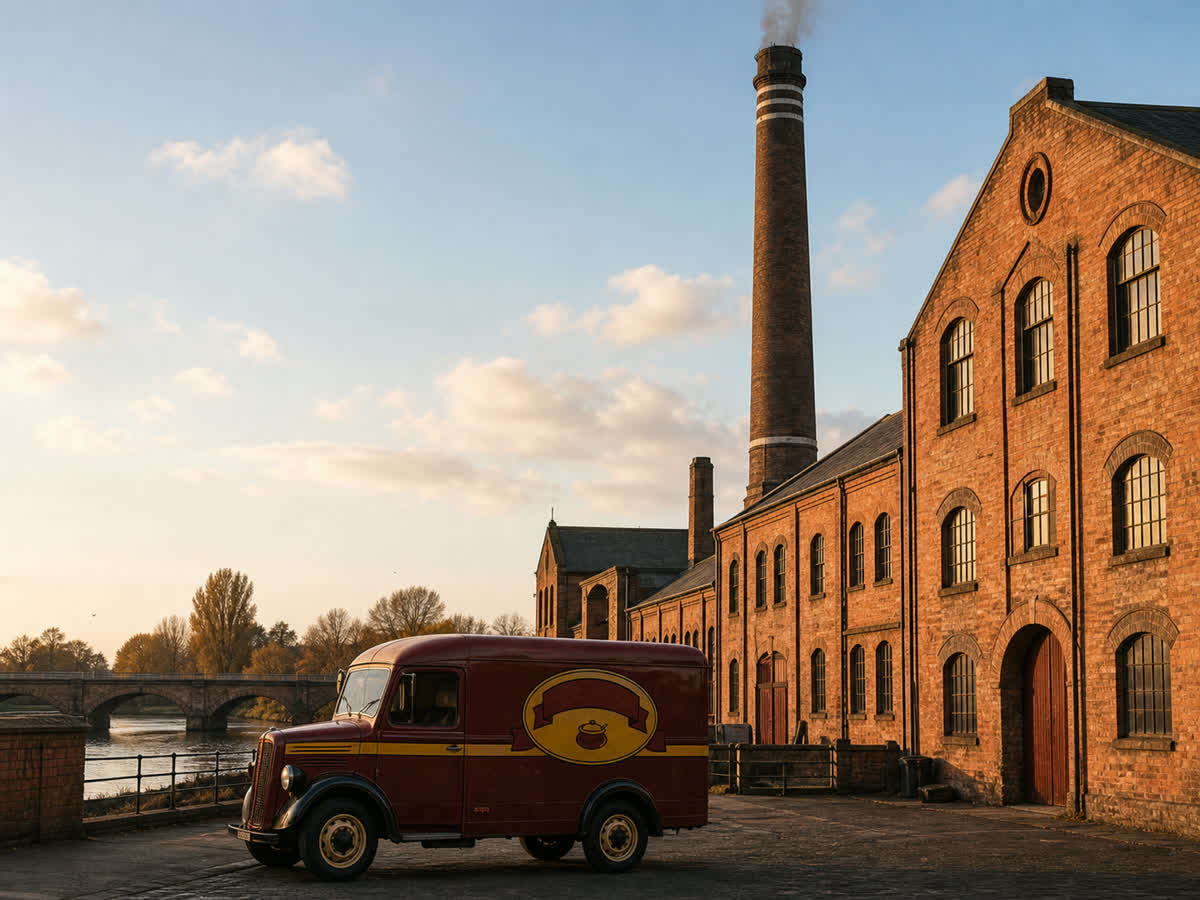
The Marmite factory has been on the same Burton-on-Trent site since 1902. It was not, you will be relieved to hear, chosen at random. Burton in the late nineteenth century was the centre of the British brewing industry, home to Bass, Worthington, Ind Coope and most of the other names you have ever read off the back of a beer mat in a Victorian pub.
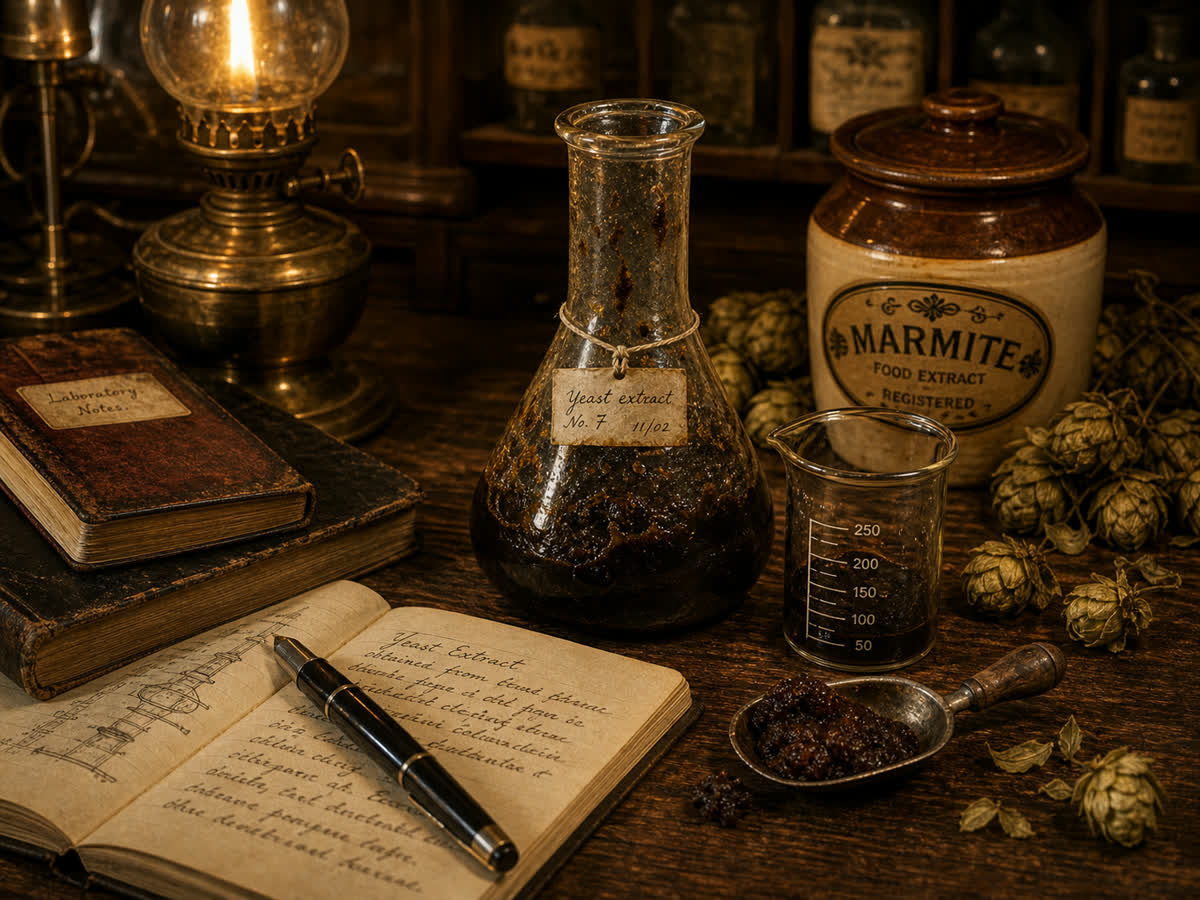
Brewing produces large quantities of leftover spent yeast as a by-product. That spent yeast is the raw material for Marmite. So when the Marmite Food Company was set up in 1902, the founders did the sensible thing and put the factory directly next to the breweries that would supply the yeast. The factory occupied a disused malt house. The supply chain was, more or less, a short walk down the road.
That logic still holds, in slightly modified form. The breweries are mostly different now, the Bass brewery itself has long since shrunk, but the spent-yeast supply still comes locally and the factory still occupies broadly the same footprint.
The smell of the town
If the wind is in the right direction, the air in central Burton smells of Marmite. Faintly. Yeasty, savoury, slightly biscuity. It is the same way that towns near coffee roasters smell of coffee, or towns near bakeries smell of bread.
I have been to Burton a few times. The smell is real. Locals are mostly used to it and stop noticing within a few days of moving in. Visitors notice immediately and either find it pleasant (Love Party) or off-putting (Hate Party).
If you want to do the pilgrimage, the factory itself is not generally open to the public, but the town is small enough to walk around easily, and Burton has a decent National Brewery Centre that is worth a couple of hours of your time.
The process, very briefly
The spent yeast arrives at the factory. It is autolysed (the yeast cells self-digest using their own enzymes, which is a real and slightly unsettling biology word for what is essentially “letting the yeast eat itself”). The liquid that results is filtered, concentrated, and seasoned with the secret blend of vegetable extracts, salt, and spices that make Marmite Marmite.
The exact recipe is closely guarded. There are obviously plenty of Marmite-style yeast extracts on the market (see the global variations on the global variations), but none of them tastes exactly like Burton Marmite, and the difference is mostly in the seasoning blend that the Burton factory has held onto since the early twentieth century.
What happens to the factory next
This is the question that has been hanging over Burton since the McCormick-Unilever sale process kicked off (see the Unilever sale-process story from November 2025, and the McCormick deal in March 2026). A new owner buying the brand will, at some point, decide whether to keep producing in Burton or whether to consolidate production elsewhere.
Burton is roughly two hundred and forty jobs at the factory. The town has been making Marmite for a hundred and twenty-three years. The factory is, in a real sense, the brand. Moving production elsewhere would be culturally vandalising even if it made commercial sense.
McCormick’s public language has been about “long-term manufacturing agreements”, which sounds reassuring but is the same language Mondelez used about Cadbury’s Bournville plant before they substantially scaled it back. Burton should be watching closely.
For now, the factory hums, the smell drifts on the right wind, and the spent yeast keeps arriving from the breweries down the road. Long may it continue.
Source: Marmite Museum; National Brewery Centre, Burton; my own visits.