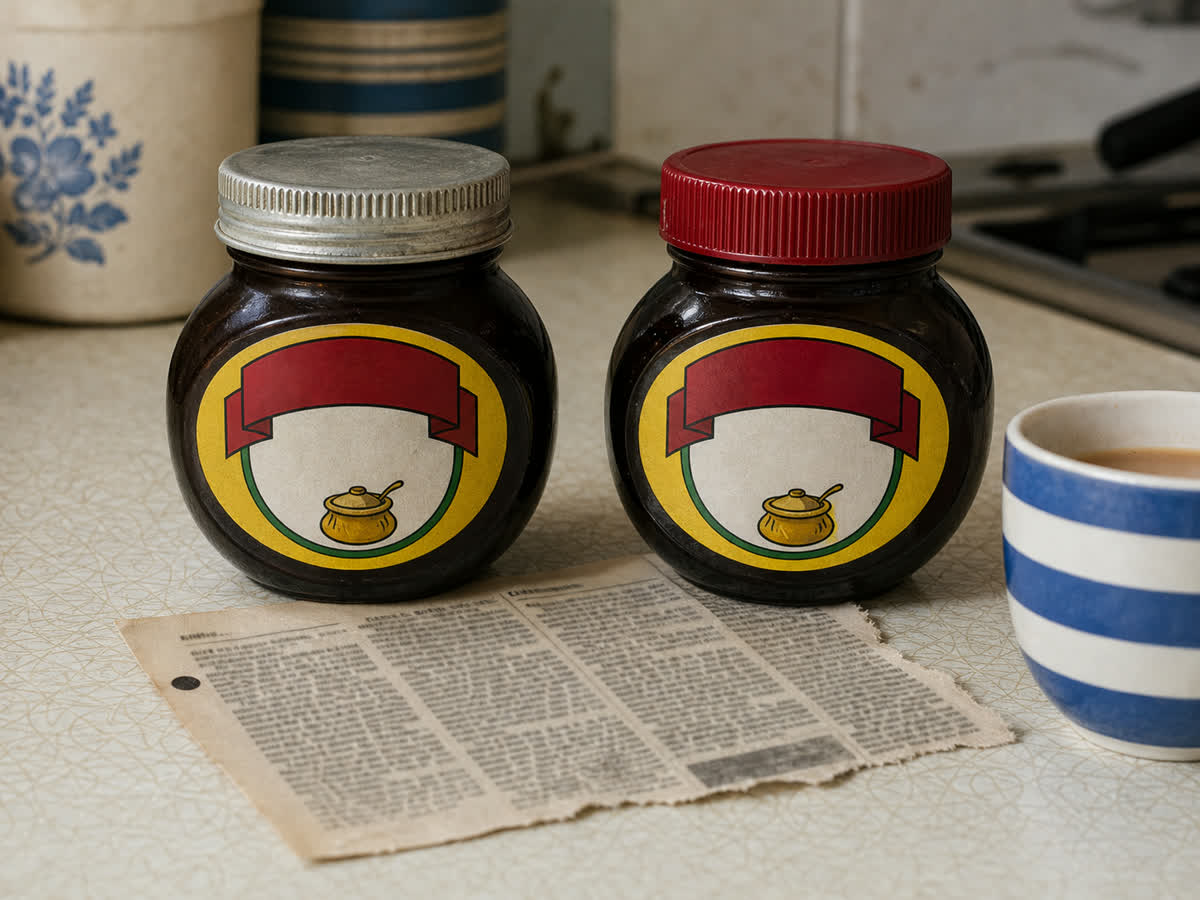

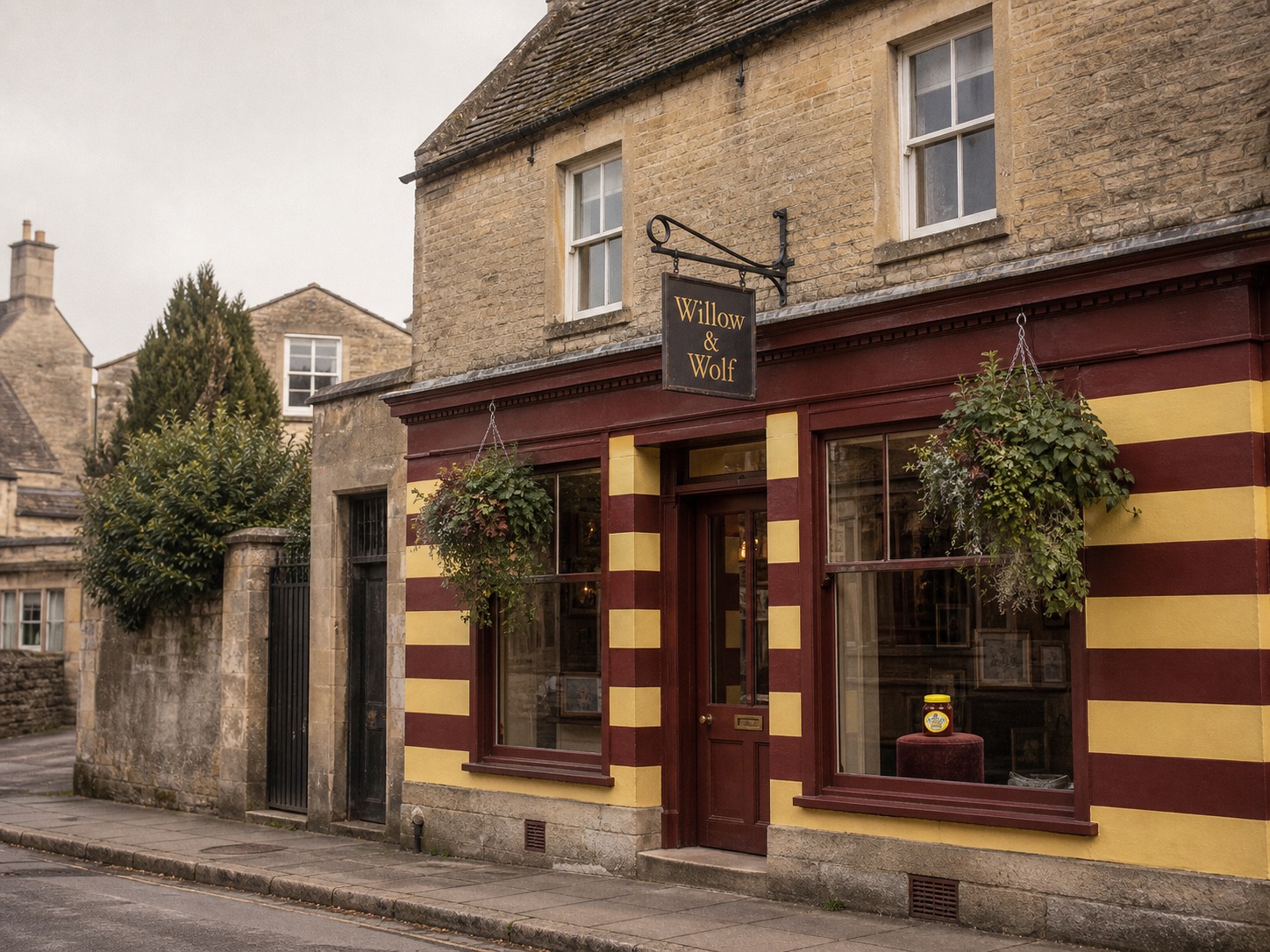
A shopfront that reads as Marmite at fifty paces
Isabella Wookey, who runs Willow & Wolf on the high street in Marlborough, Wiltshire, has painted the front of her shop in broad stripes. The stripes are a slightly pinker brown than the proper Marmite yellow-and-oxblood, but the reference is instant. Walk past it and you think, jar.
Half of Marlborough thinks the stripes are wonderful, a bit of life on a slightly precious high street. The other half thinks they are inappropriate for a Wiltshire market town that has worked very hard at looking exactly like a Wiltshire market town.
The bit about it being Grade II-listed
This is the awkward part. The building is Grade II-listed. Listed buildings need consent from the council before you do anything visible to them, and “paint the whole front in bold stripes” is the platonic example of something visible.
Wookey did not ask for consent. Wiltshire Council are now looking at it. The likely outcome is an enforcement notice and a fresh coat of something more compliant. None of which she does not know.
What this tells us about Marmite
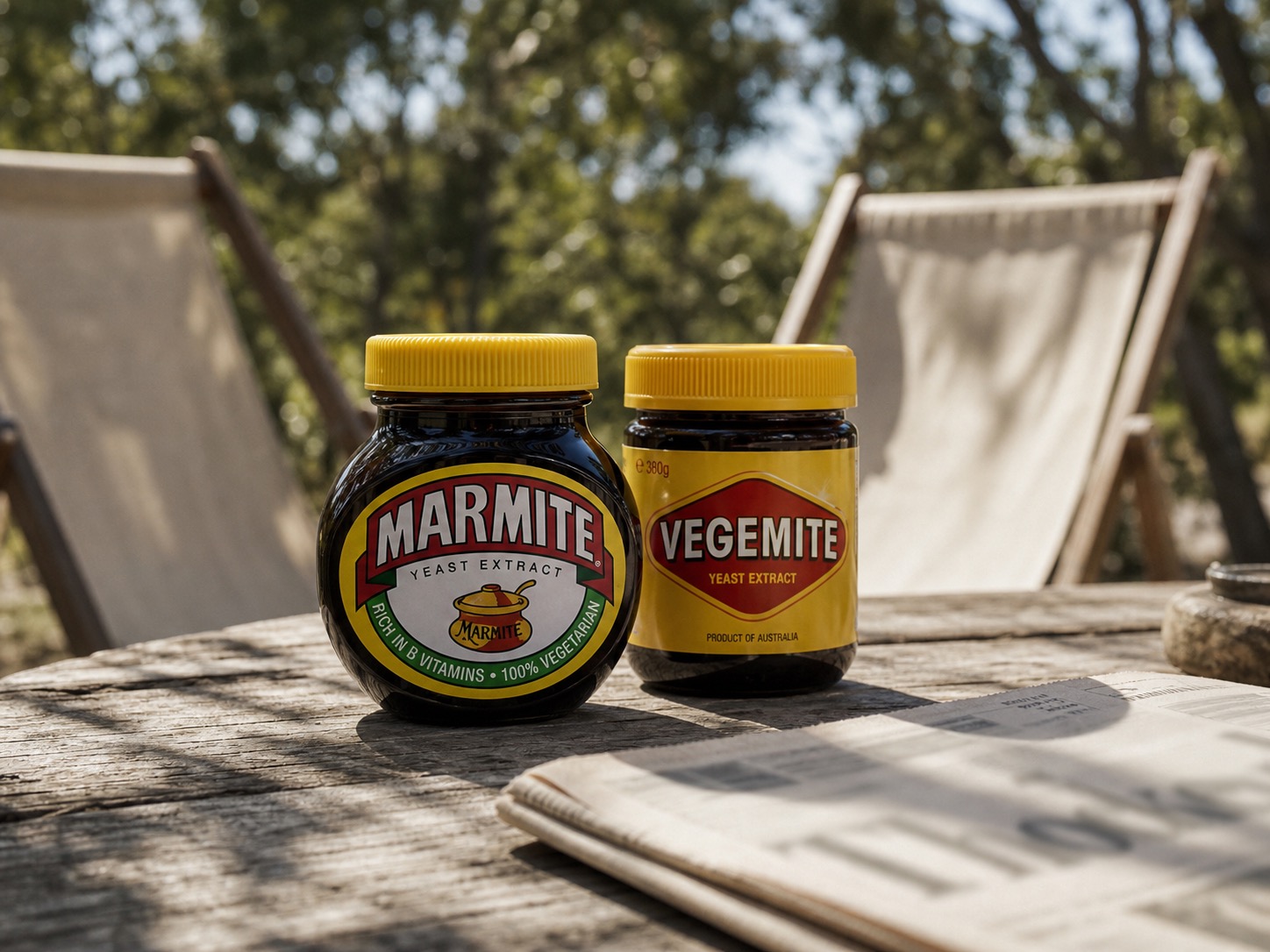
This is the genuinely interesting bit, if you put the listed-building drama aside for a second. Wookey did not paint a Marmite logo on the shop. She did not paint a jar. She painted stripes in roughly the right colours, and everyone in town recognised what she was doing.
Very few food brands could pull that off. Cadbury purple does it. The Heinz red. The Coca-Cola wave. After that the list runs out quickly. The fact that Marmite has its own shorthand colour scheme, recognisable from across the street with no copy on it, is the sort of brand equity that most companies spend tens of millions and never reach.
A small thought
It is also entirely on-brand for the resulting story to be split down the middle. Heritage town versus contemporary boldness, conservation versus expression, the council’s letterhead versus a small business owner with a paint roller and an idea. The story about Marmite stripes provoking strong opposing reactions is itself a story about Marmite provoking strong opposing reactions. The shopfront did not need to do anything else.
Whichever way the council goes, Willow & Wolf will have been the most-photographed boutique in Wiltshire this month. That is not the worst commercial outcome for a small shop.
Source: local press, photographs in circulation, common sense.