
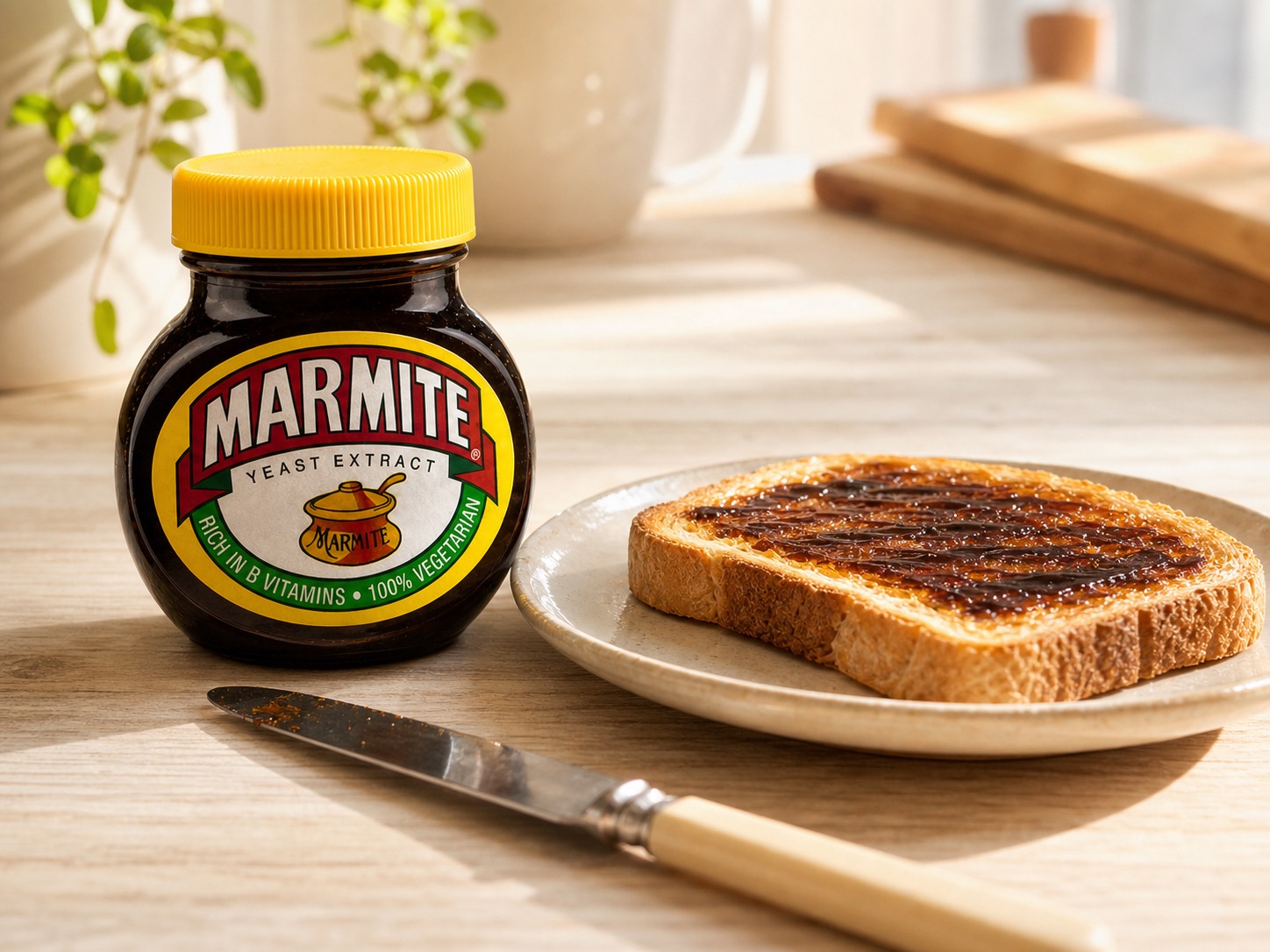
Marmite is a dark, salty British spread made from spent brewer's yeast, first produced in Burton-on-Trent in 1902. A plain-English guide to what it is, what it tastes like, what actually goes in the jar, and why the country has never agreed on it.
Marmite Articles
Explore our collection of articles about Marmite, Britain's most divisive spread.
Showing articles tagged with: british | View all articles

Will Marmite still be British? The McCormick takeover of Unilever Foods, explained
The Grocer is reporting that Marmite has been quietly reclassified as non-core inside Unilever. Non-core is corporate for "we are open to offers".
An Australian satirical paper says Marmite is better than Vegemite
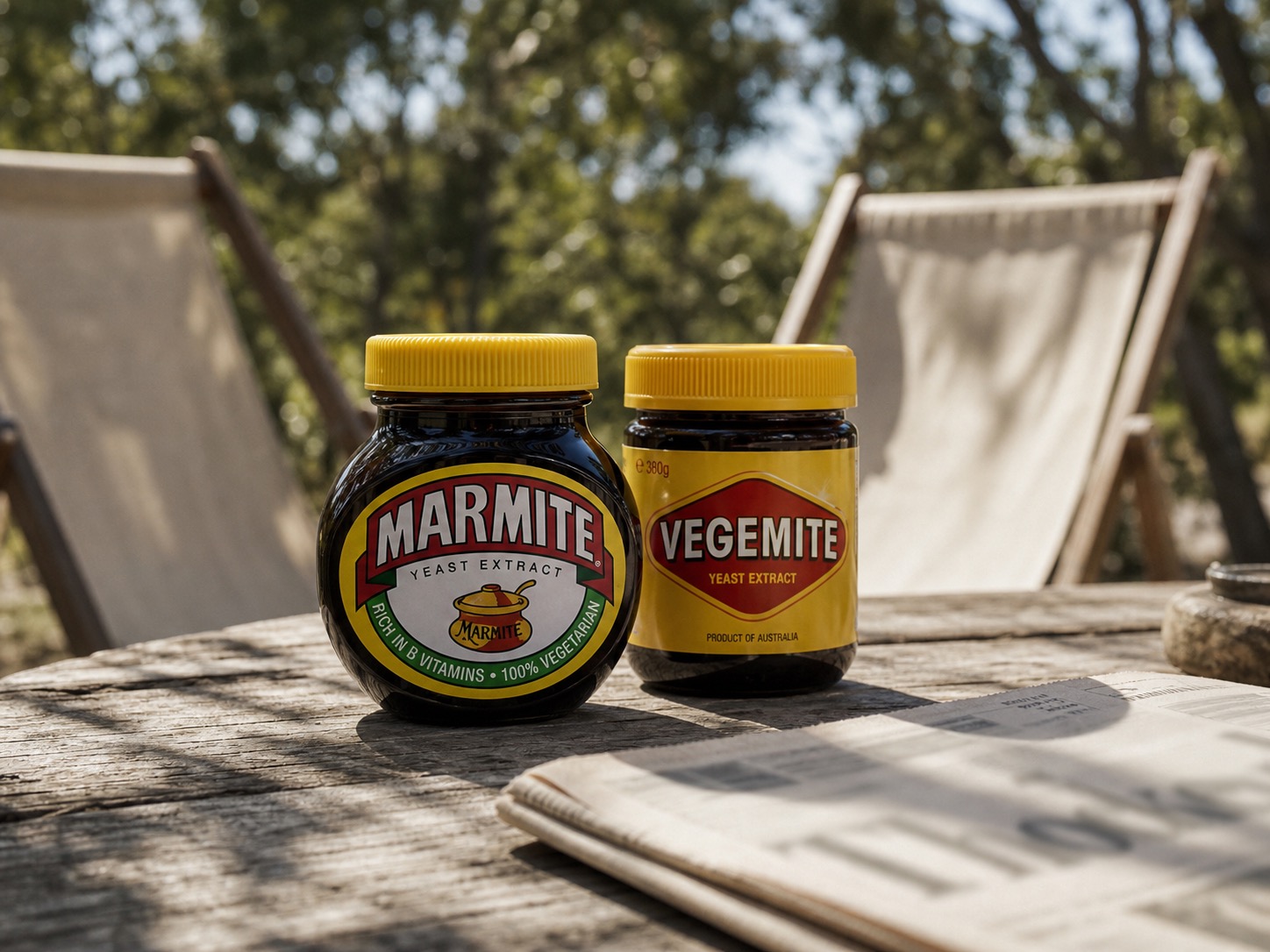
The Betoota Advocate, the Australian satirical paper, has published a piece called Why Marmite Is Better Than Vegemite But Not Better Than Easy Clicks On Your Website . The title is doing the entire job, but it is worth reading the rest because it is also funny.
A Marlborough boutique has painted itself in Marmite stripes

Isabella Wookey, who runs Willow & Wolf on the high street in Marlborough, Wiltshire, has painted the front of her shop in broad stripes. The stripes are a slightly pinker brown than the proper Marmite yellow-and-oxblood, but the reference is instant. Walk past it and you think, jar.
Is Marmite actually British? The German invention behind the very British jar
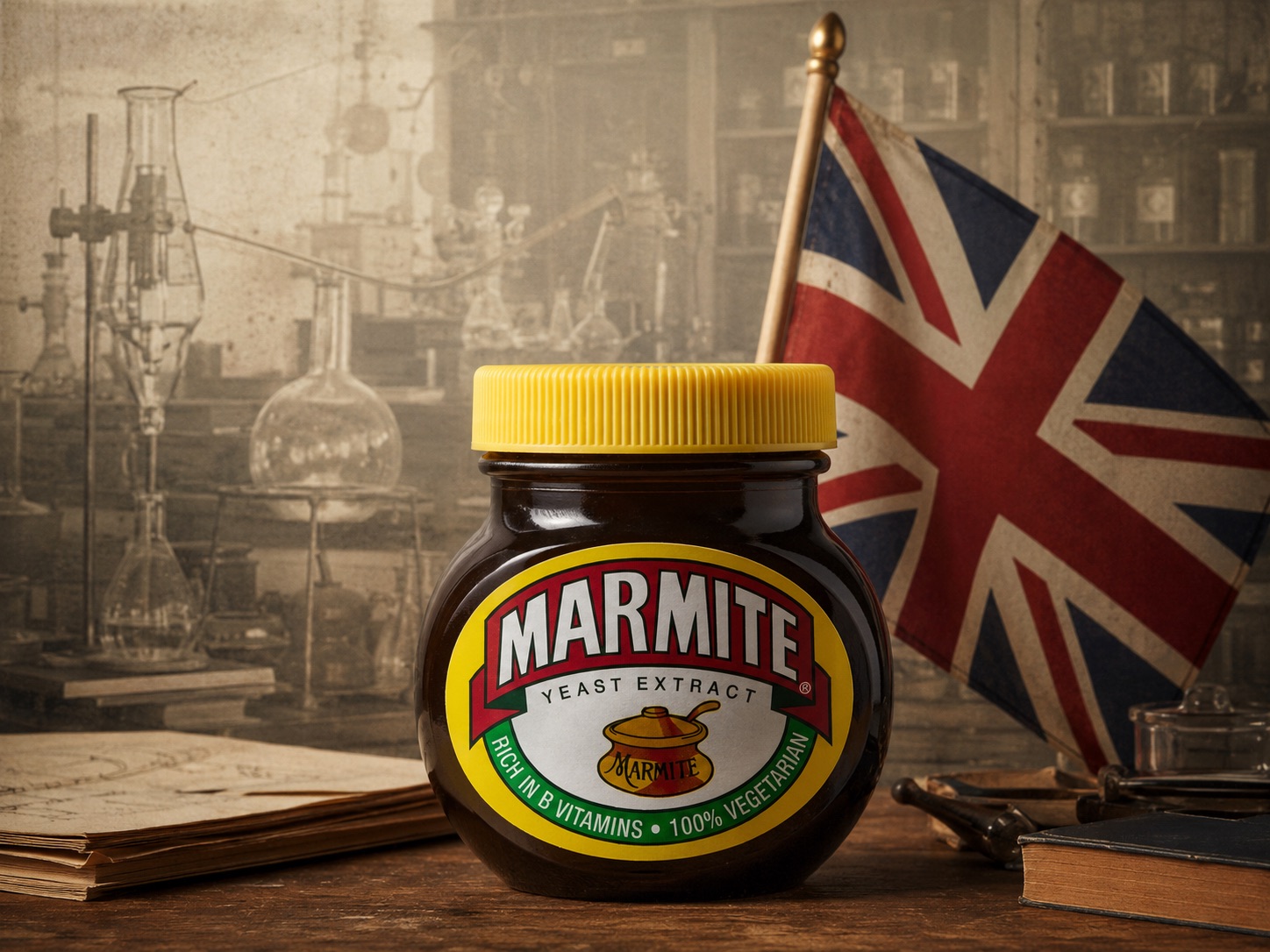
Marmite is the most British thing in the cupboard, and the invention behind it is not British at all. The discovery that brewer's yeast could be turned into an edible savoury extract was made by a German chemist, Justus von Liebig. Britain did not invent Marmite. It commercialised someone else's idea, brilliantly, in 1902.
Marmite, the essence of Britishness
The savoury spread Marmite was the subject of a Commons motion. Former sports minister Tony Banks said that 2002 marked the 100th anniversary of its creation.
Page 1 of 1