
The Grocer says the quiet bit out loud
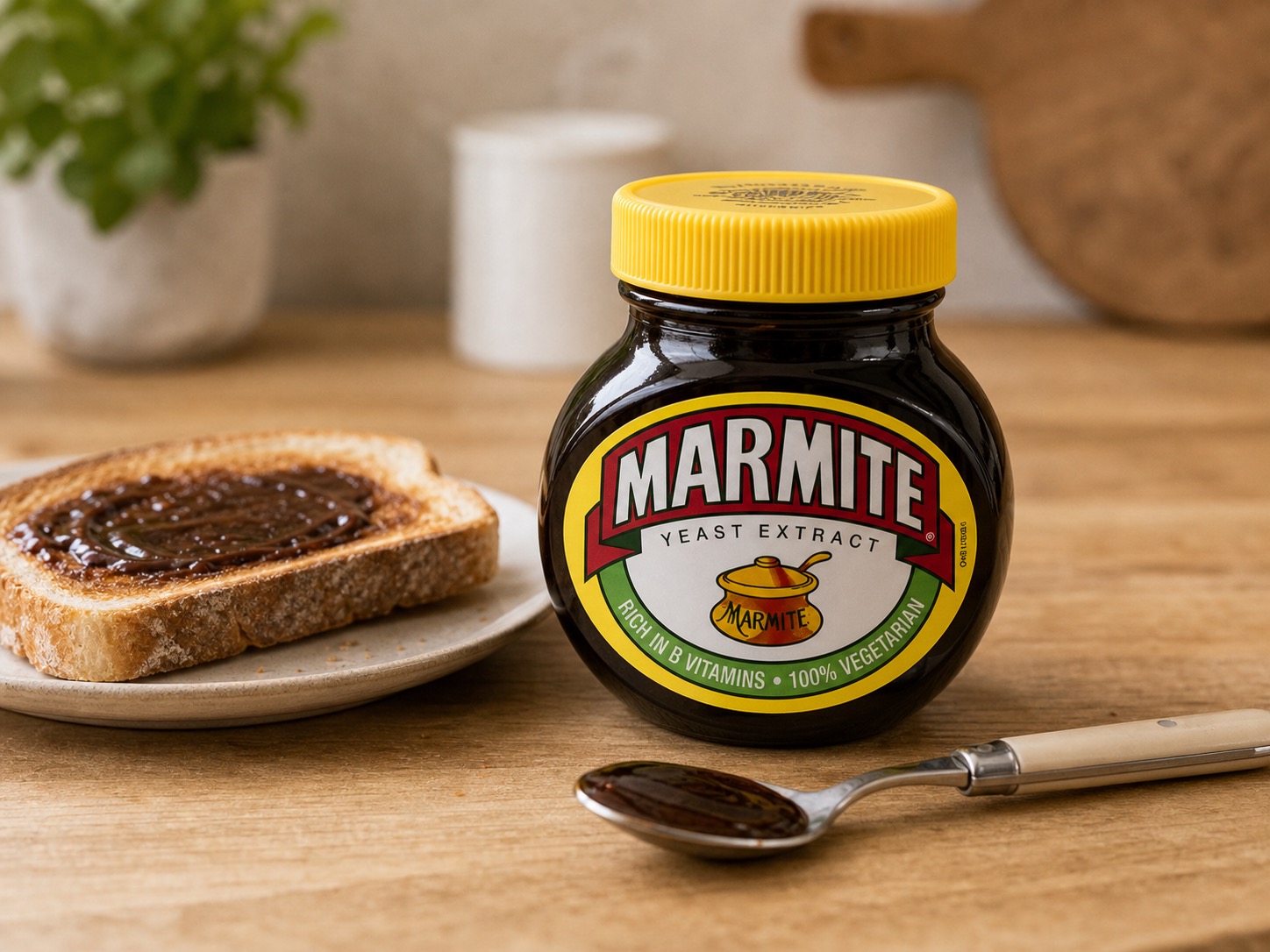
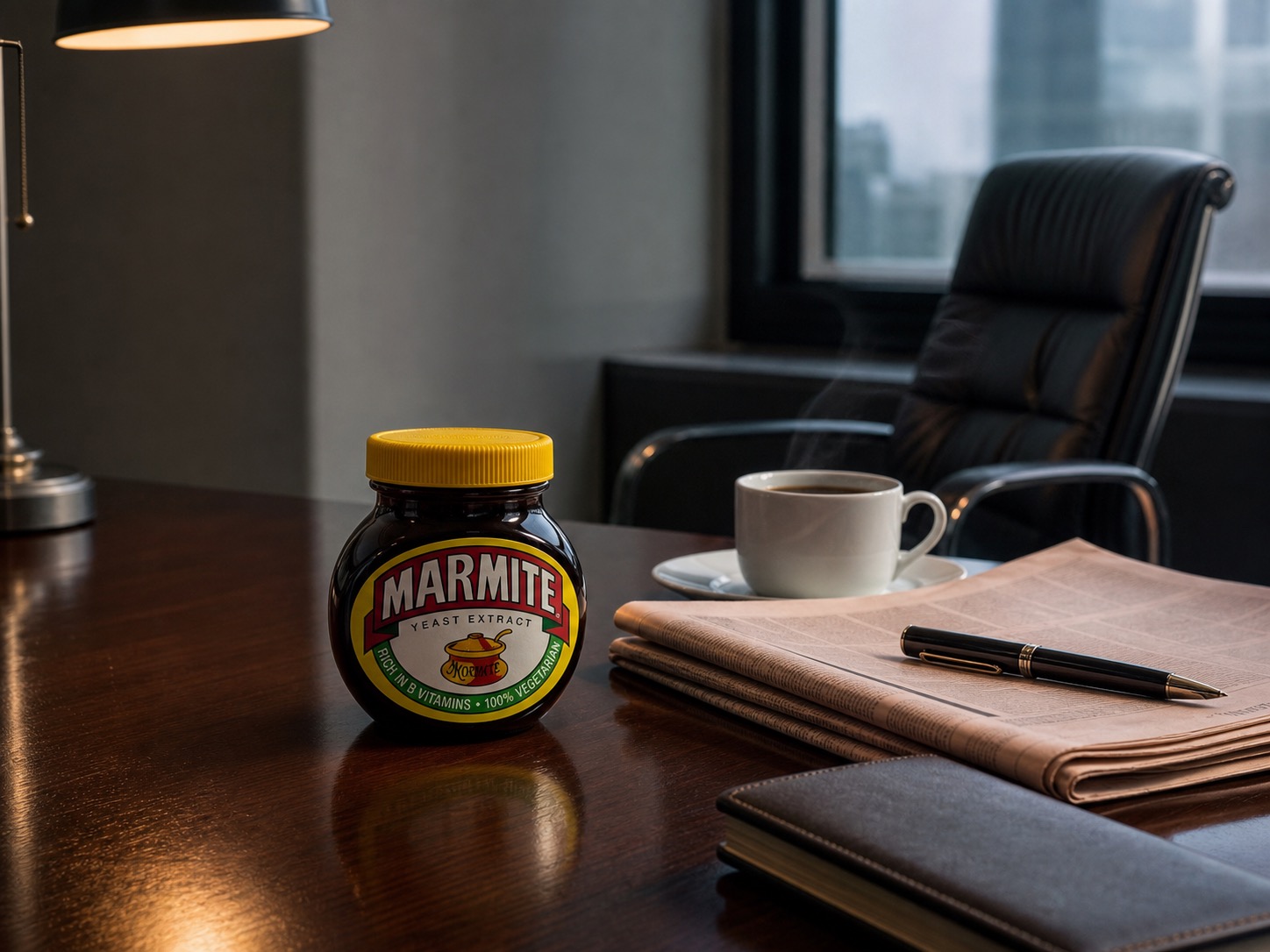
The Grocer is reporting that Marmite has been quietly reclassified as non-core inside Unilever. Non-core is corporate for “we are open to offers”.
Unilever has a new chief executive, Fernando Fernandez (does he hav the same first and last name??), who took over earlier this year after Hein Schumacher’s short tenure ended. Fernandez has been talking up a thirty-brand “Power Brands” list and a sharper portfolio. Marmite, by all accounts, is not on the list.
Non-core, with 36 per cent of the market
This is the bit that makes you raise an eyebrow. Marmite has a thirty-six per cent share of the UK yeast-extract market and brings in about £28 million a year. Those are not non-core numbers. They are “small but reliable British brand quietly minting money” numbers.
But Unilever is not in the business of small but reliable any more. The new shape is global mega-brands or nothing, and Marmite, Bovril and Pot Noodle are reportedly bundled together as a Historic British Brands lump that may go out as a single package.
You may remember Marmite’s last brush with corporate drama. In 2016, Tesco refused a price rise from Unilever, the jars vanished from the shelves for a week, and the resulting headlines drove sales up sixty-one per cent. Three hundred and thirty-five thousand pounds in extra sales in seven days, from a row about pennies on a wholesale price list. If that does not count as brand power, I do not know what does.
What changes if it sells?
Honestly, possibly not much, at least at first. The recipe and the Burton factory have outlasted every previous owner. Marmite came into Unilever through the 2000 Best Foods merger and the jar that arrived in your kitchen the week after was the same jar.
The thing to watch is who buys it. A smaller food group that wants a heritage British brand on its books has every reason to leave the recipe alone and pour a bit of money back into Marmite. A private-equity buyer looking to flip in five years is a different proposition, and so is a much larger food group that wants Marmite for shelf muscle rather than the product itself.
If you want a worry, the worry is “modernisation”. New owners arriving at a famous brand and deciding that the time has come to “evolve” the label, “refresh” the recipe, or move production somewhere cheaper. That is the bit that would actually upset people.
Anyway
Unilever has not formally put Marmite up for sale yet, at least not in public, and these things take months, not weeks. So this is a watching brief rather than a news story. But “non-core” is the word that matters in the report, and once a brand is on that side of the line, it tends not to come back.
I will keep an eye on it.
Source: The Grocer.