Bovril is a beef and yeast extract paste: 50 per cent beef broth, 27 per cent yeast extract, which makes it a quarter of the way to being Marmite. It was invented in the 1870s by a Scottish butcher in Canada to fill Napoleon III's order for a million cans of beef, was originally called Johnston's Fluid Beef, and takes its name from the Latin for ox plus a fictional energy source from an 1871 science-fiction novel.
Marmite Articles
Explore our collection of articles about Marmite, Britain's most divisive spread.
Showing articles tagged with: unilever | View all articles

Is Bovril vegetarian? No, but for two years it was
No. UK Bovril is 50 per cent beef broth, plus 1 per cent beef powder. But from July 2004 to 2006 Unilever made it without any beef at all, using a yeast mix running at 45 per cent yeast extract. The reason was not vegetarians: it was BSE, an export ban on British beef, and collapsing sales in Malaysia, China and Singapore. The beef came back in 2006 because the bans lifted and sales recovered, not because the vegetarian version failed.
Marmite has been quietly delisted in Singapore and Malaysia
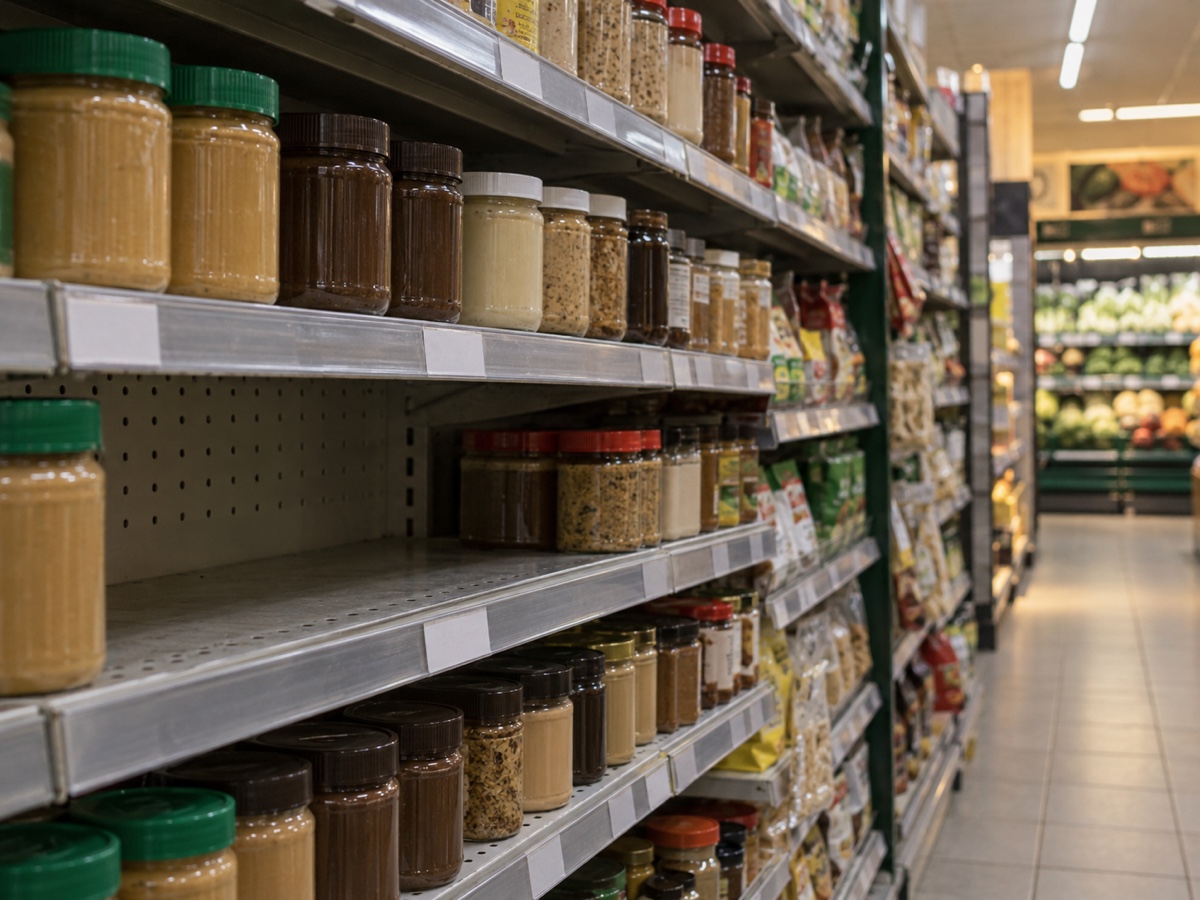
Marmite disappeared from Singapore and Malaysian supermarket shelves in 2026, and it took nearly four months for anyone to say why. Unilever delisted the brand from its regional portfolio with effect from 1 April, but the news only broke in late July when shoppers noticed the gaps and resale prices hit seven times retail. Two different official explanations followed within twenty-four hours of each other, one blaming supply, the other blaming sales. This is what actually happened, and why the loss lands harder in Kuala Lumpur than in London.
The royal crest on a biscuit tin in Guangzhou: how fake 'By Appointment' warrants spread abroad
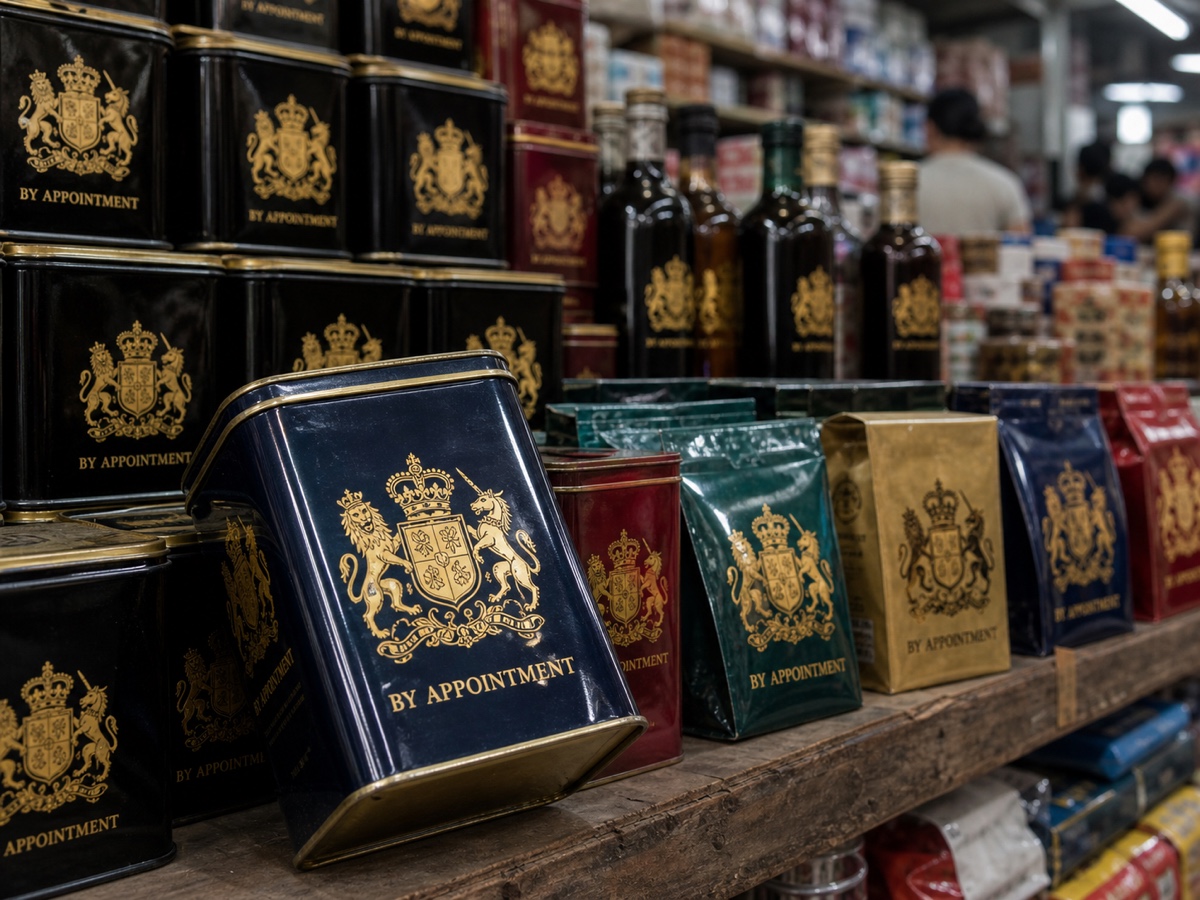
The British royal coat of arms is one of the most copied marks of trust in the world, and much of that copying happens far from Britain, on products that never went near a palace. Why a royal crest is worth faking abroad, the international law meant to stop it, and why enforcement is so patchy the fakes keep coming.
By Appointment: the fascinating story of what a royal warrant really is, and how Marmite won one and lost it
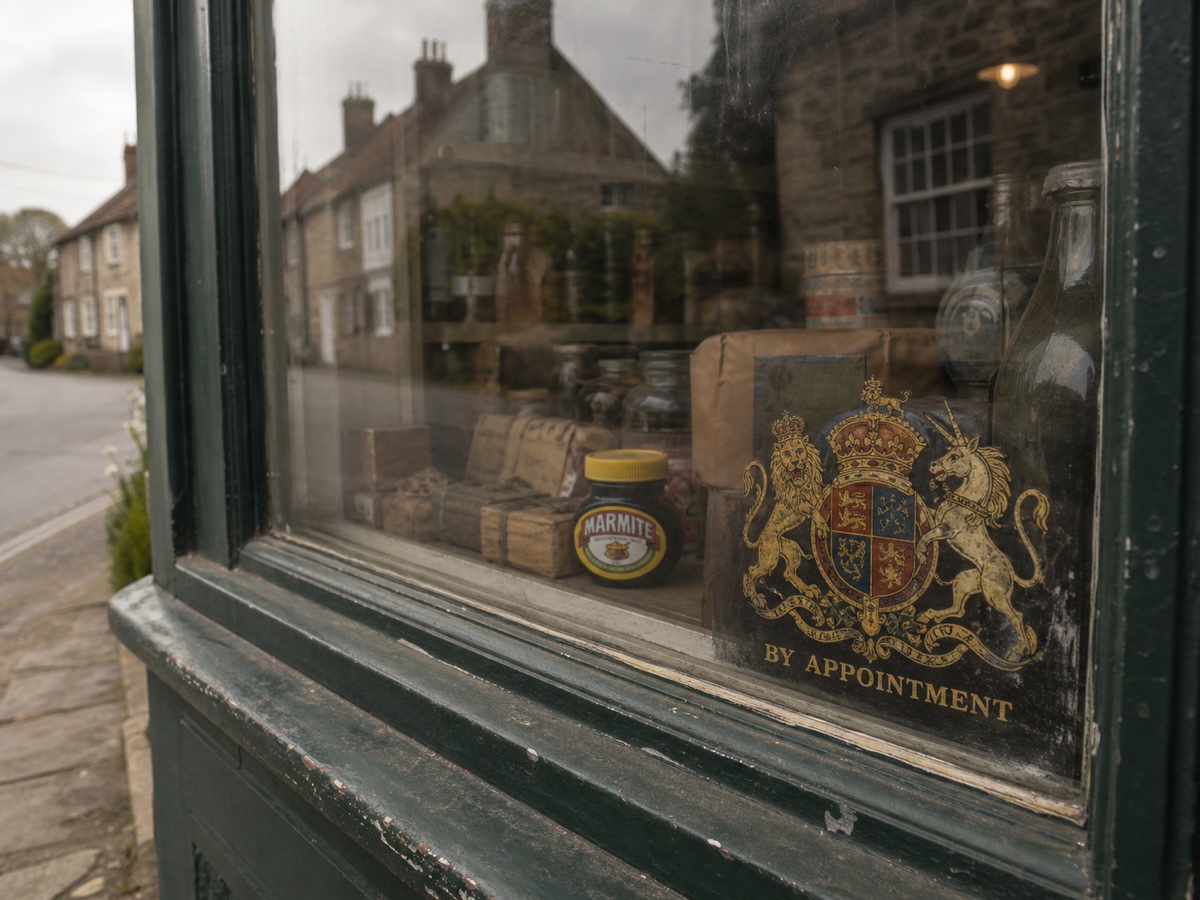
A royal warrant is the little coat of arms in the shop window with the words 'By Appointment'. Marmite earned its own in 2016, lost it when Queen Elizabeth II died, and was quietly dropped from King Charles's list in December 2024. What a warrant actually is, how a business wins and loses one, and why the system has spent nearly two centuries chasing fakes, told from a walk away from Sandringham.
Who owns Marmite? (and who will after the McCormick deal)
Marmite is owned by Unilever, and has been for years. In March 2026 Unilever agreed to sell its food business, Marmite included, to the American firm McCormick, a deal set to complete around mid-2027. Until it closes, Marmite remains a Unilever brand.
Marmite at 125, with a new American owner in the room
Marmite turns 125 in 2027, just as McCormick takes over. What a serious anniversary year should look like, and what we should probably expect instead.
Every Marmite-flavoured snack on UK shelves: crisps, popcorn, peanuts, rice cakes and the rest
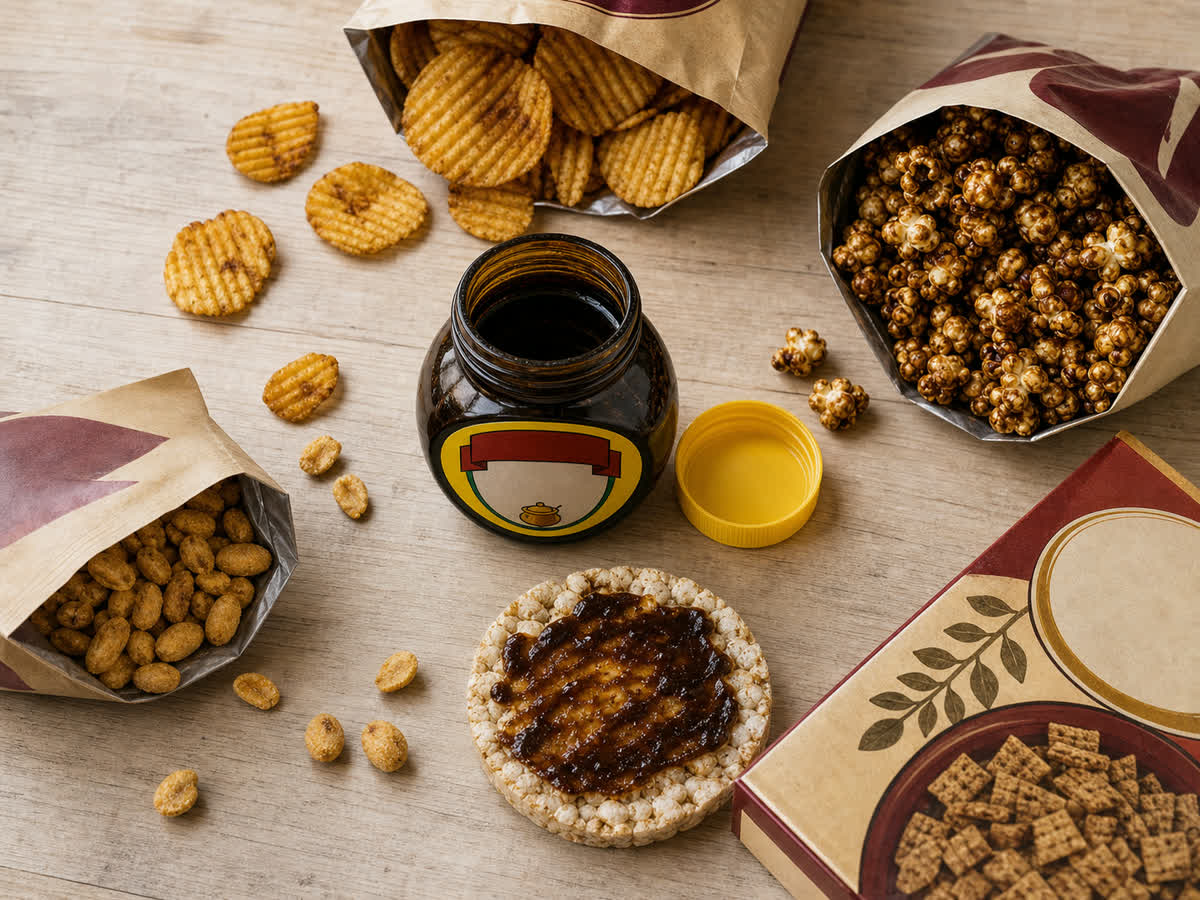
Every Marmite-flavoured snack on UK shelves in 2026: Walkers crisps, Joe & Seph's popcorn, KP peanuts, the discontinued Special K cereal and Cadbury chocolate, and what the licensing strategy tells you about the brand.
The British press has the Burton-Marmite story wrong

Since 31 March 2026, when McCormick & Company announced its agreement to combine with Unilever's foods business, the British press has been telling one version of the Marmite-McCormick story. The version goes roughly like this: The Americans have bought our Marmite.
What the McCormick deal means for Burton-on-Trent

What McCormick's vague 'long-term manufacturing agreement' really means for the 240 jobs in Burton, and why the Cadbury precedent should worry us.
Page 1 of 3
Next »