
October 2016, and the shelves were empty
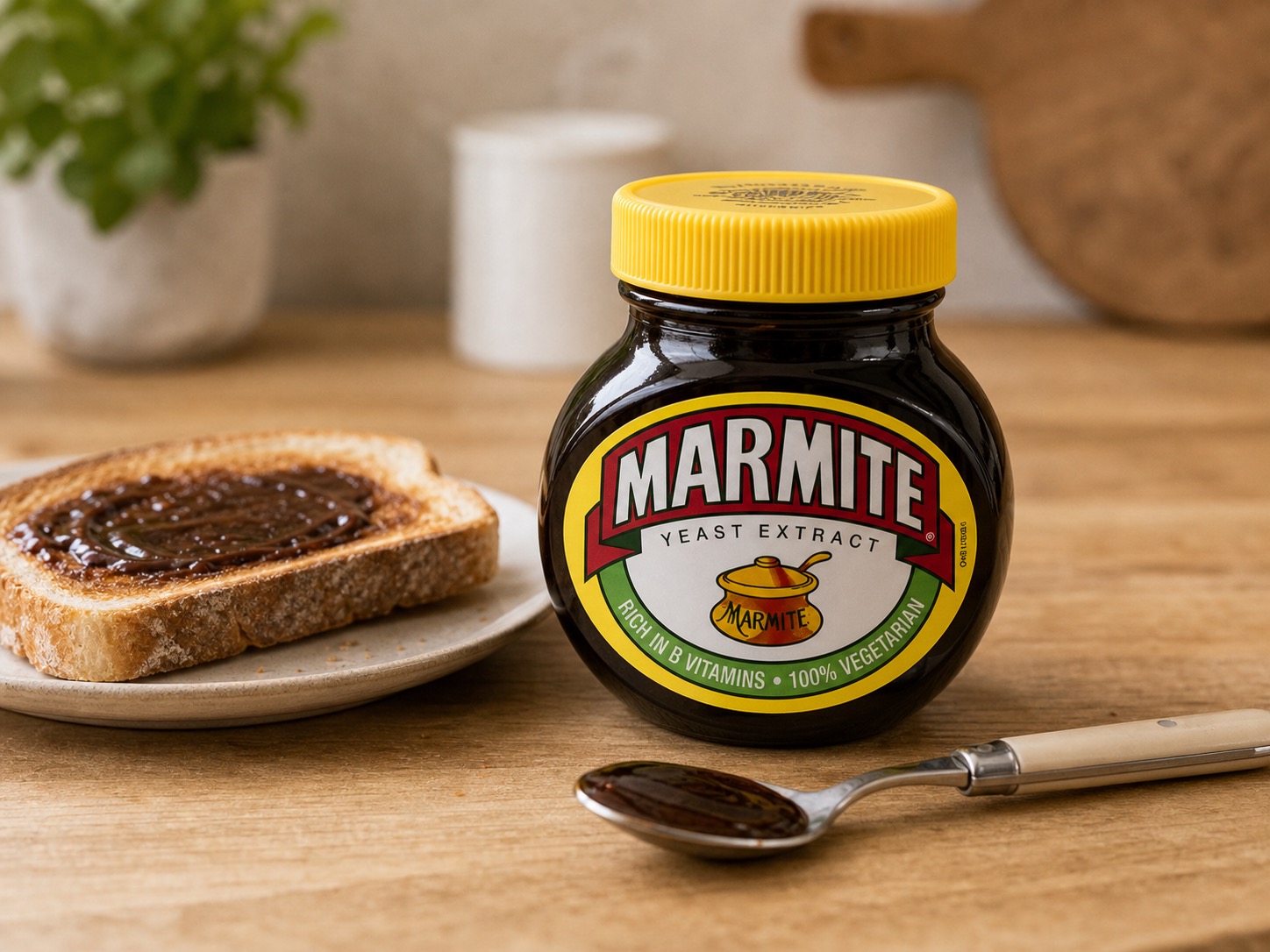
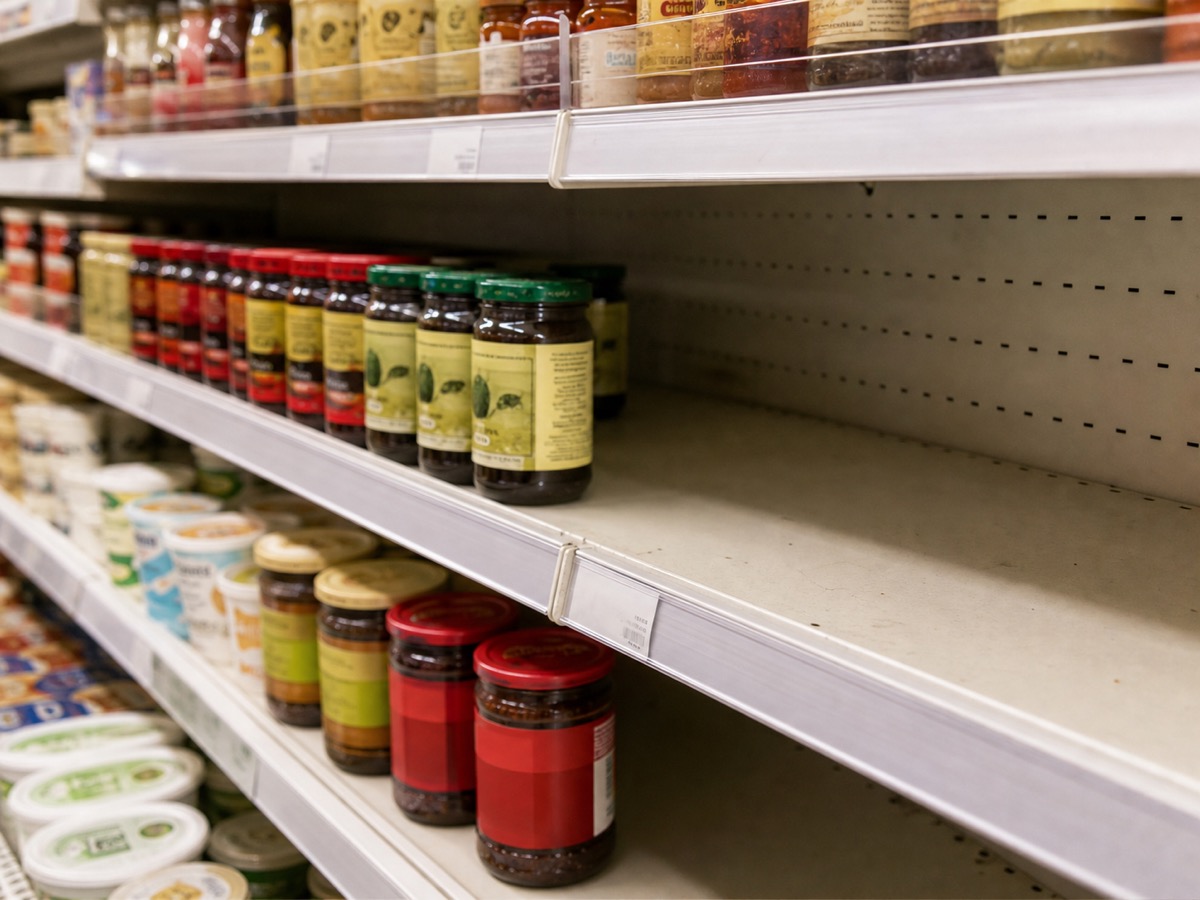
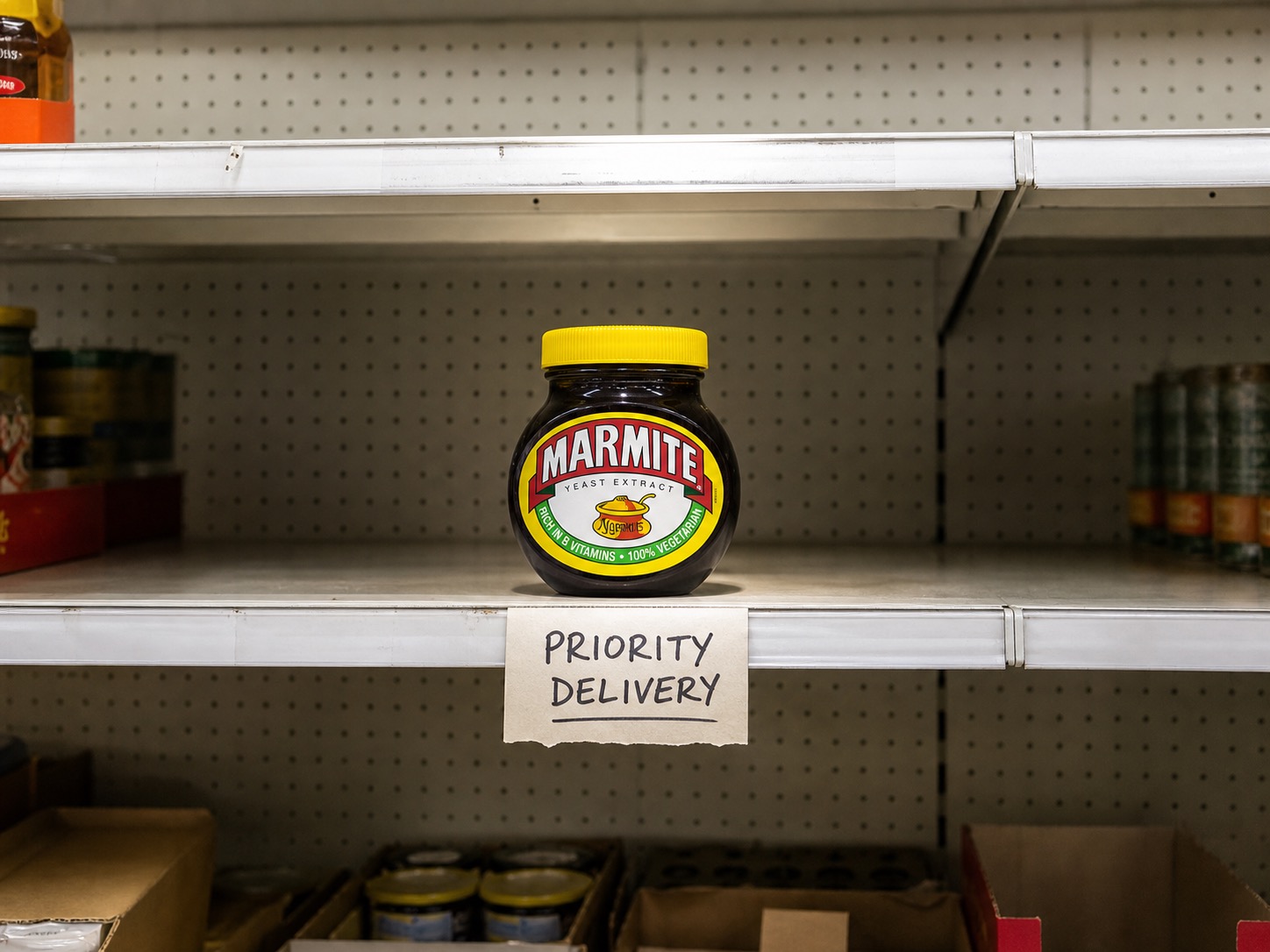
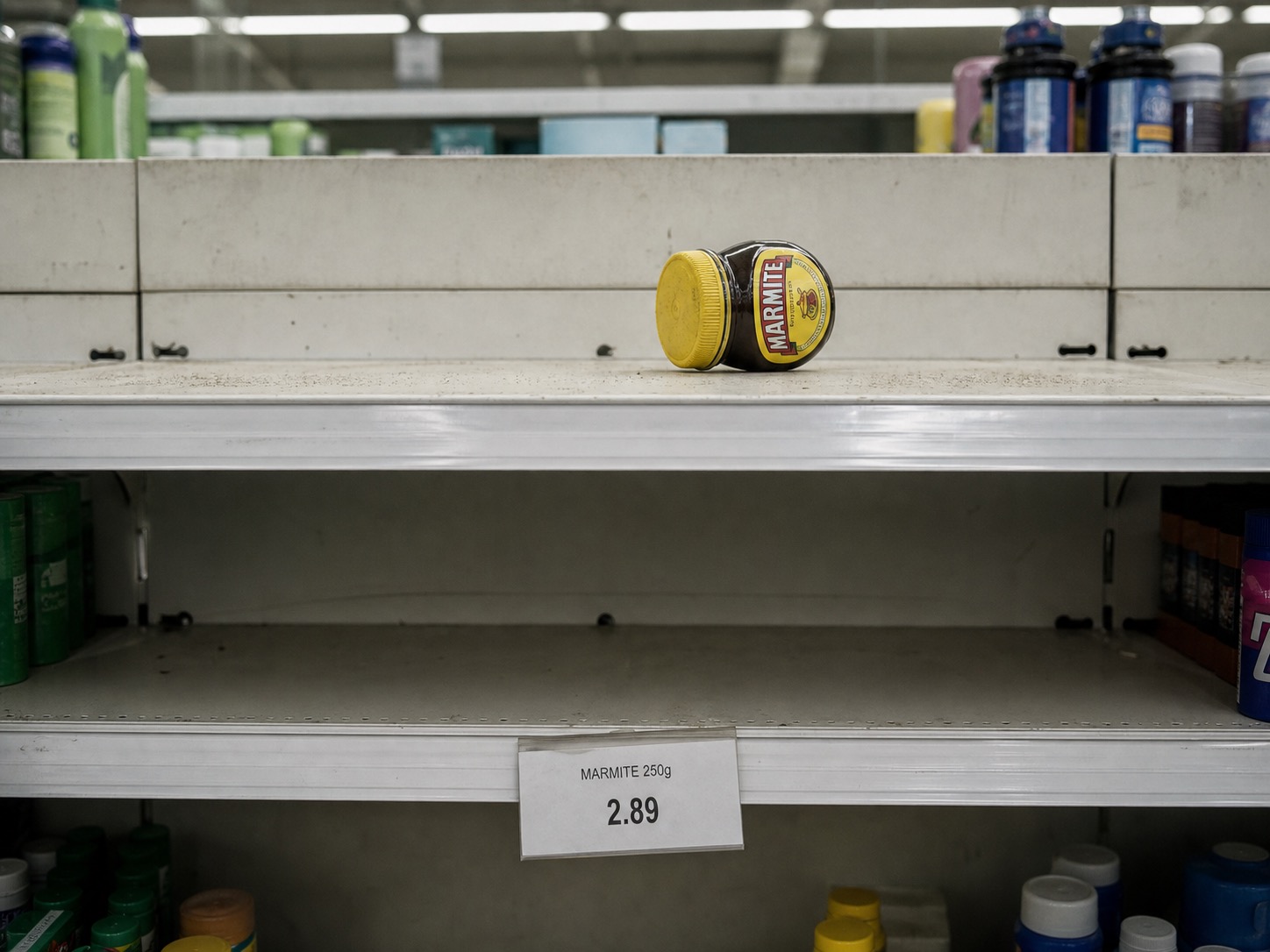
For about a week in October 2016, you could not buy a jar of Marmite in Tesco. There was a price tag where it should be, a gap on the shelf where it should be, and absolutely no jar.
What was actually happening was a fight over a price rise. The pound had fallen sharply after the Brexit referendum that summer, Unilever’s input costs had gone up, and Unilever wanted to push roughly ten per cent onto wholesale prices across a long list of brands. Tesco said no. Unilever stopped supplying. Tesco’s shelves emptied. Both sides assumed the other would blink.
Why Marmite became the story
The thing is, Unilever were trying to push the rise on dozens of products. Persil. PG Tips. Comfort. Hellmann’s. All of them affected. None of them made the news. The only one that made the news was Marmite, because Marmite is the brand the press reaches for whenever it needs a metonym for “an ordinary British thing that everyone has an opinion about”. You cannot write a sad headline about Persil. You can write a sad headline about Marmite all day.
So a perfectly ordinary post-referendum corporate row about FX-hedged input costs became, in the press, “Marmitegate”. Front pages, talking heads, Question Time references, the lot. The currency was the story. Marmite was the picture.
Marmite, of course, ended up winning
The shelves were back inside a week. Tesco and Unilever did their grown-up deal in private. The jars returned to the shelves at a higher price, which is what would have happened anyway, just with less drama.
And then the punchline. Sales of Marmite, the brand the press had spent a week shouting about, went up sixty-one per cent the following week. Three hundred and thirty-five thousand pounds in extra sales out of pure free publicity. There is a marketing director somewhere who has had a quiet career-long chuckle about that.
What the episode actually showed
Two real things, mostly. The first is that British supermarket supply chains are tighter than they look, and when a major supplier turns the tap off, you have days, not weeks, before the shelves go bare. The second is that even a brand like Marmite, which feels permanent, is at the end of a long chain of contracts and pricing negotiations that can go wrong without much warning.
The Brexit-specific bit is mostly historical interest now. The pound is where it is, the wholesalers have done their re-pricing, the shelves are stocked. But the lesson, that a jar of yeast extract can become a national news story because of a row about wholesale margins, is still funny.
A footnote
The 2016 row is also the reason “non-core” being said about Marmite in the recent Grocer reporting (see the other article from this week) makes some of us nervous. Marmite is small enough for Unilever to walk away from, and big enough for the press to riot about. That is an interesting place to be.
Source: contemporary press coverage, October 2016. Reuters, FT, Grocer.