
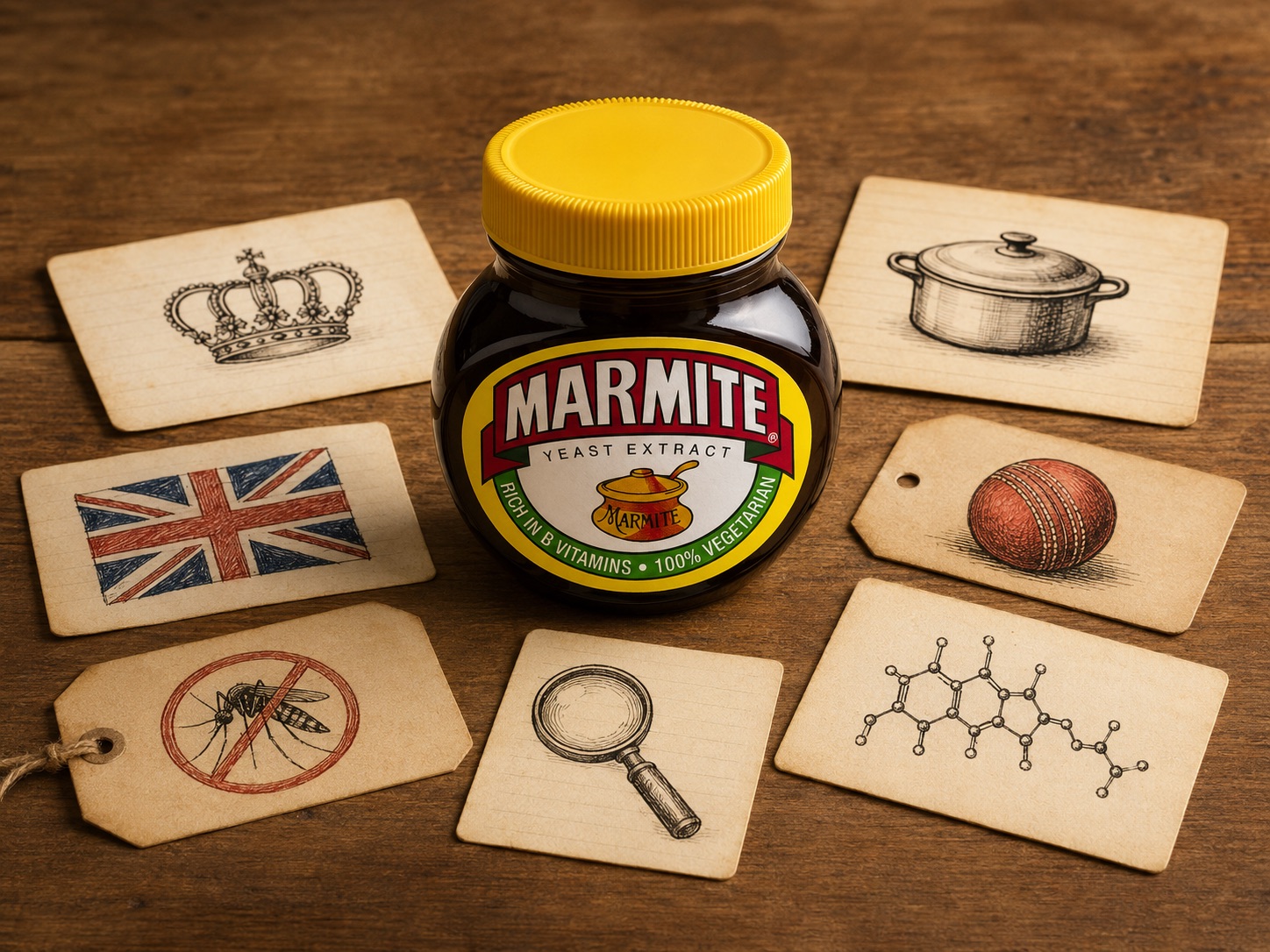
There is no shortage of “things you didn’t know about Marmite” lists out there. The trouble is that most of them know about five things between them, copied off each other, half of them wrong. This is the version I have wanted to read for years: fifteen things that are genuinely surprising and genuinely true, each with the full story a click away if it grabs you.
1. It is named after a French cooking pot
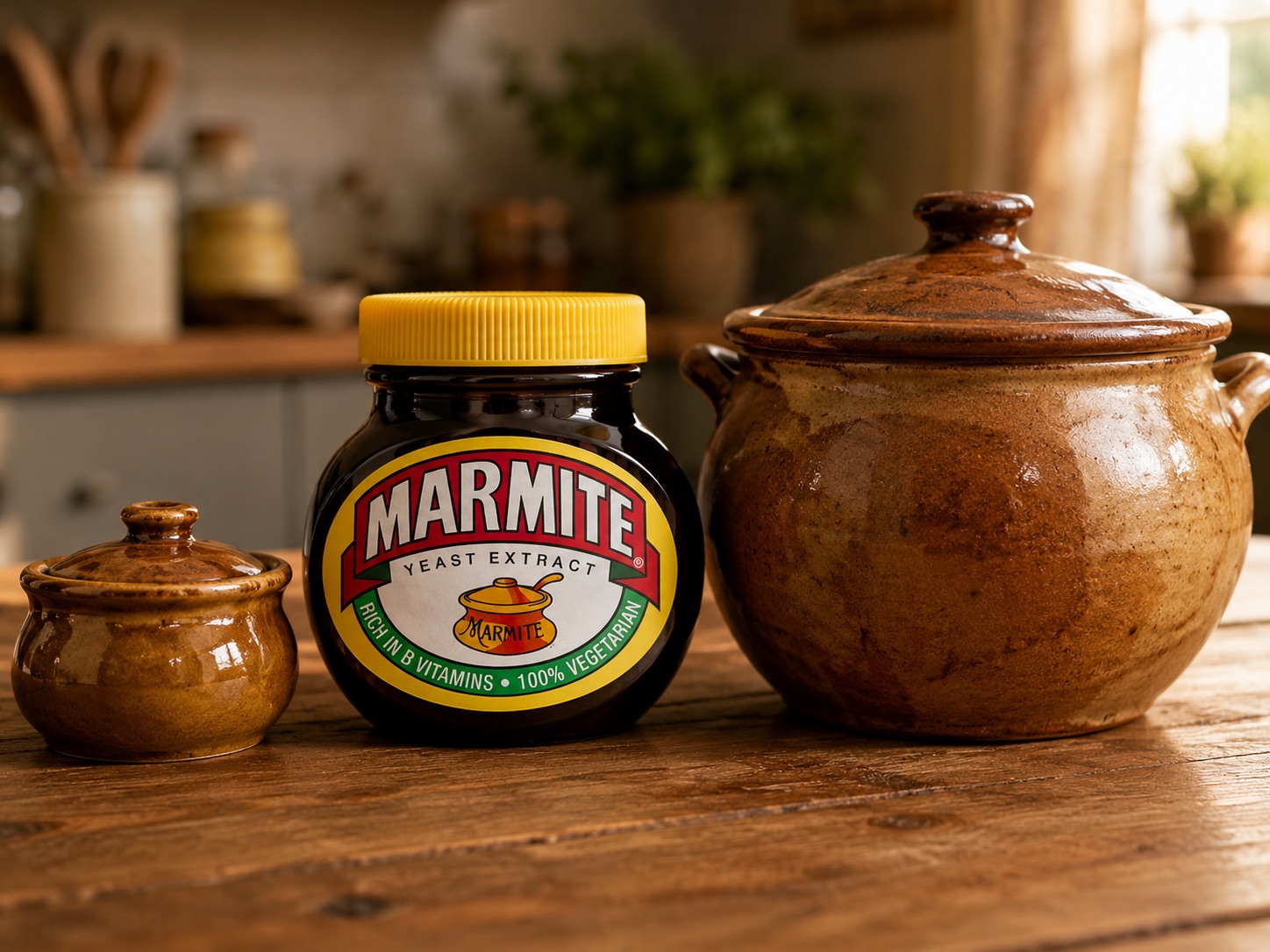
The word marmite is French for a large lidded cooking pot, the deep earthenware sort you would make a stew in. That pot is the little picture on the label, the one most people have looked at ten thousand times without registering. The spread is named after the vessel it was originally sold in, not the other way round, and the French word for that pot once meant something stranger still. The full name story is here.
2. It is made from the leftovers of brewing beer
Marmite is brewer’s yeast, the spent sludge left at the bottom once the beer is made. That is why it has always been made in Burton-on-Trent, the old capital of British brewing, where the breweries had mountains of the stuff going spare. The jar exists because of the pint. There is a whole piece on why Marmite is made in Burton.
3. A doctor used it to discover folic acid
In 1930s India, the British physician Lucy Wills was trying to cure a deadly anaemia in pregnant women, and found she could do it with Marmite. The missing nutrient she had stumbled on became known as the Wills factor before it was identified as folic acid. A jar of Marmite genuinely helped crack one of the great nutritional puzzles of the century. The full story sits inside the hair-restorer myth, of all places.
4. It turns pale when you whip it
Whip a blob of Marmite hard enough and it lightens from near-black to a pale milky beige. It is pure physics, not chemistry: the whipped-in air bubbles scatter light instead of letting the dark paste absorb it. It does not go pure white, whatever the legend says, but the change is startling. The science, and an honest test.
5. It was never actually banned in Denmark
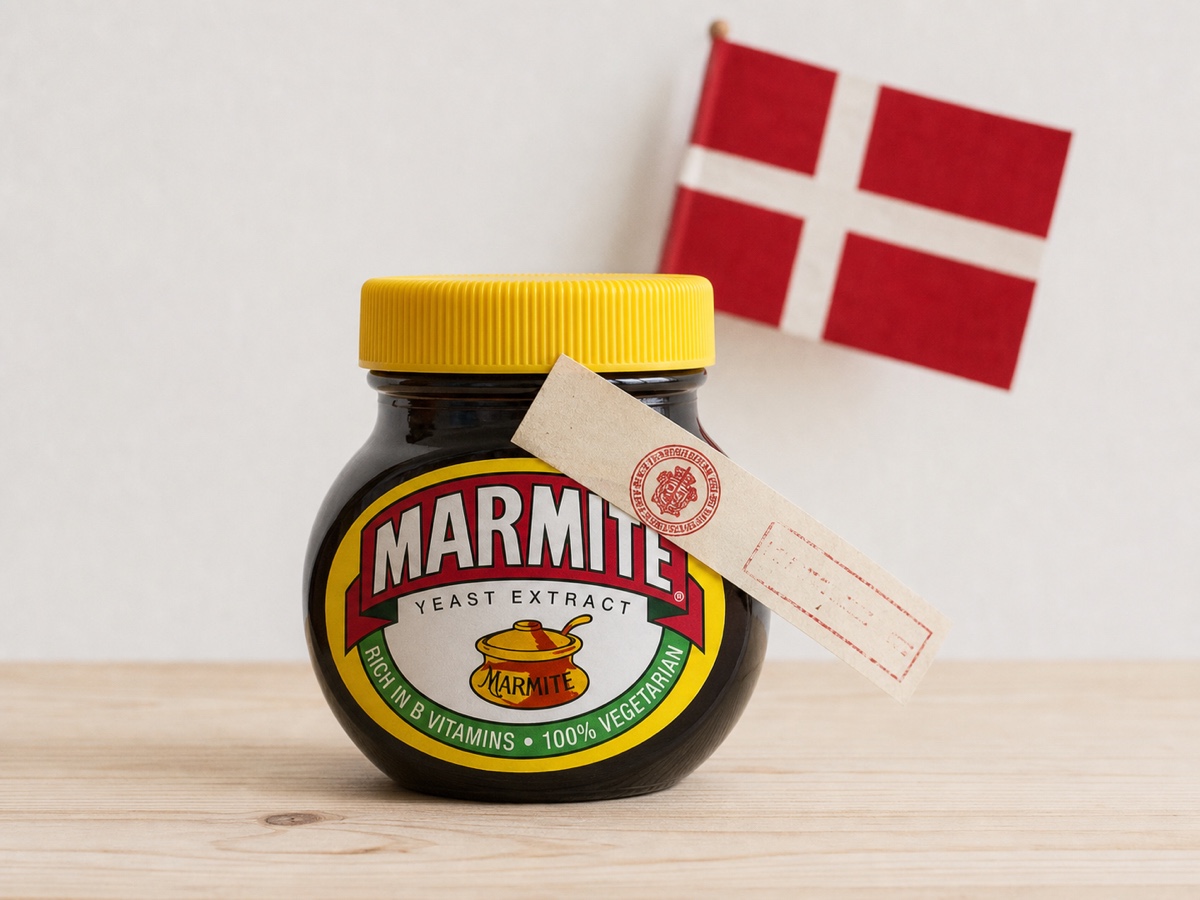
The 2011 “Denmark bans Marmite” headlines went round the world. They were wrong. Danish law just requires vitamin-fortified foods to be approved before sale, and nobody had filed the paperwork. The Danish food authority said as much, in plain Danish, to very little effect. The real story is here.
6. It will not keep mosquitoes off you
The holiday tip that eating Marmite makes your sweat repel mosquitoes is one of the most thoroughly tested folk remedies there is, and it has failed every test since 1969. The B vitamins are real. The repellent power is not. Why people stay convinced anyway.
7. It is not banned in British prisons either
Another favourite: jars supposedly outlawed because inmates brewed alcohol with them. There is no blanket ban, and the science is wrong anyway, because the yeast in Marmite is dead and cannot ferment a thing. The Marmite Mule, debunked.
8. “Marmite” became an adjective before the famous advert
Everyone credits the 1996 “love it or hate it” campaign with making “a bit Marmite” mean divisive. But the earliest use the Oxford English Dictionary actually cites is from 1994, a newspaper calling Gregor Fisher’s Rab C Nesbitt “the Marmite man of comedy”. The word beat the slogan by two years. Meet the original Marmite man.
9. The dictionary lists it as a word in its own right
Off the back of that, “Marmite” is now in the Oxford English Dictionary as an adjective for anything that splits people cleanly into love-it and hate-it camps. A brand of spread became a unit of measurement for divisiveness. How that happened.
10. It lost its royal warrant in 2024
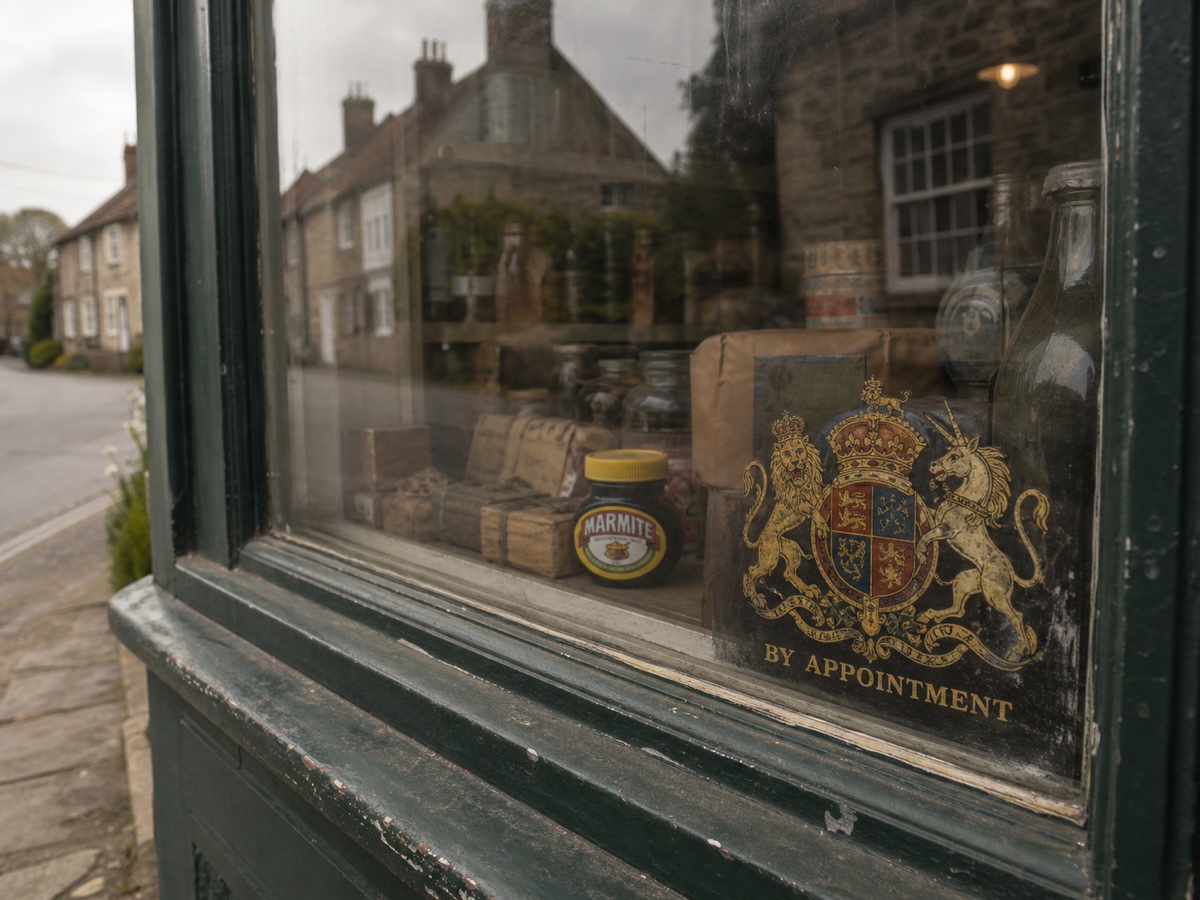
Marmite carried a royal warrant, the “By Appointment” crest, from 2016. Warrants die with the monarch who grant them, and when King Charles published his new list in December 2024, Unilever and Marmite were quietly dropped from it. What a warrant is, and how Marmite won and lost one.
11. The Queen really did love it
The warrant leaned on a genuine fondness: Elizabeth II was, by repeated report, a Marmite person, which is why the brand twice reissued the “Ma’amite” jubilee jar in her honour. The Ma’amite jars, and how one became an accidental full stop.
12. Margaret Thatcher, the other way round, almost certainly never ate it
She is the figure “a bit Marmite” might have been invented to describe, and yet there is no evidence she ever touched the stuff. Her documented diet was grapefruit, eggs and whisky. She was Marmite without eating Marmite. The most divisive politician and the most divisive spread.
13. It is almost impossible to spoil
All that salt and very little water makes Marmite a hostile place for anything that would normally rot food. An unopened jar lasts years, and it does not belong in the fridge. How long it really lasts, and the signs a jar is actually done.
14. It is vegan and kosher, but not gluten-free
Marmite is vegan, vegetarian and certified kosher, which surprises people who assume anything this savoury must contain something animal. What it is not is gluten-free: the yeast is grown on barley and wheat. The full dietary rundown.
15. It is about to become American
In March 2026 Unilever agreed to sell its food business, Marmite included, to the American spice company McCormick, a deal due to complete around mid-2027. The most British thing in the cupboard is changing hands. Who owns Marmite now, and who will.
Bonus fact: Marmite isn’t really British
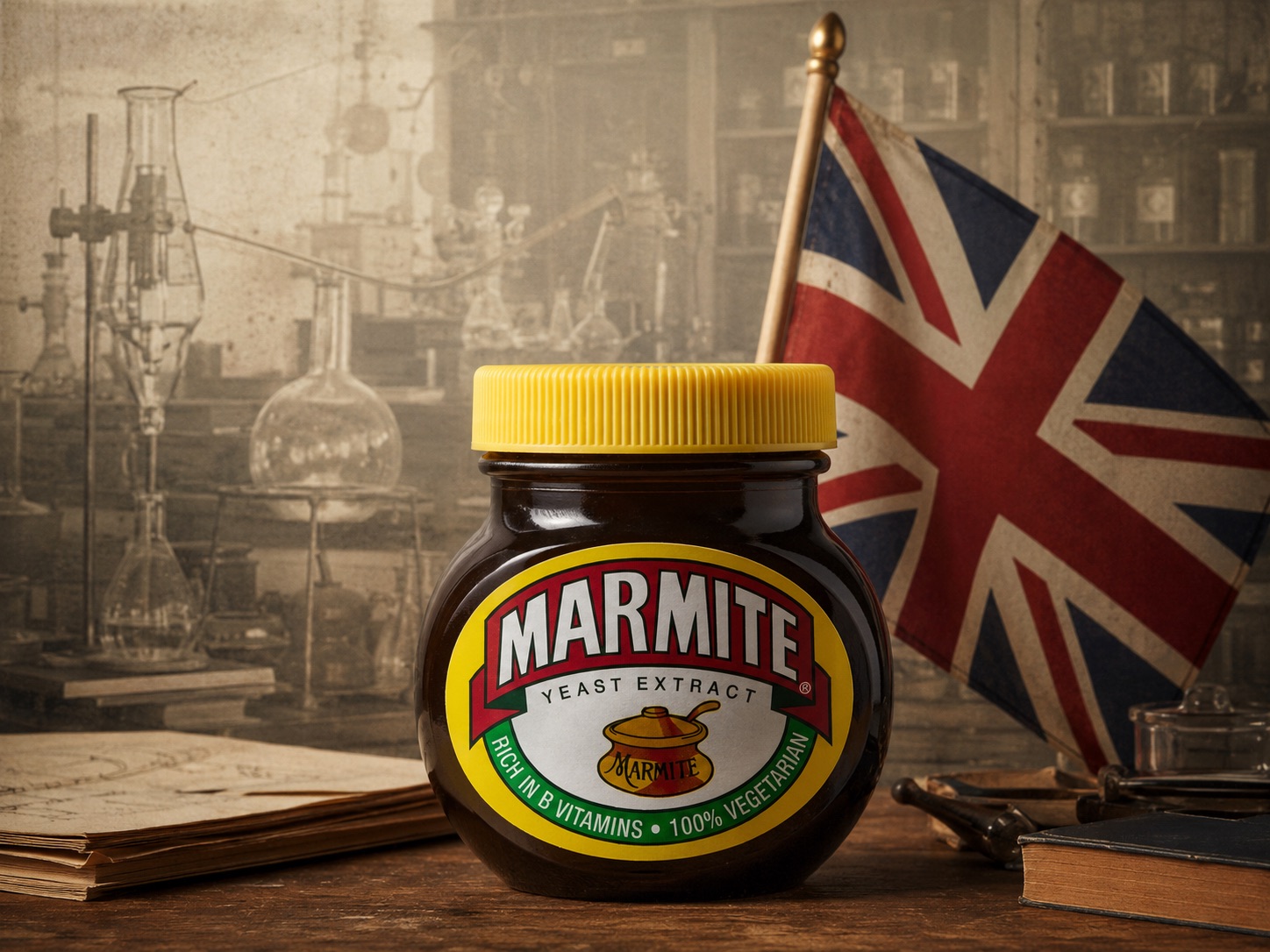
Save this one for the end of an argument. Marmite is the most British thing in the cupboard, and the invention behind it is not British at all. The discovery that spent brewer’s yeast could be concentrated into an edible, meaty, entirely vegetarian extract was made by the German chemist Justus von Liebig in the nineteenth century. The British part came later: the Marmite Food Extract Company set up in Burton-on-Trent in 1902 to turn Liebig’s idea into the jar we know, using the leftover yeast from the Bass brewery on its doorstep. So the national treasure is, at its root, a German invention, commercialised by a British company, and (see fact 15) about to be owned by an American one. German idea, British jar, American future. The full story of whether Marmite is really British.
And one that needs no link
The sixteenth fact is the one you already knew when you clicked: you either love it or you hate it, and almost nobody in between will admit to not having an opinion. Everything above is the interesting part nobody mentions. The divide is the part nobody can shut up about.