
A perfect storm of timing
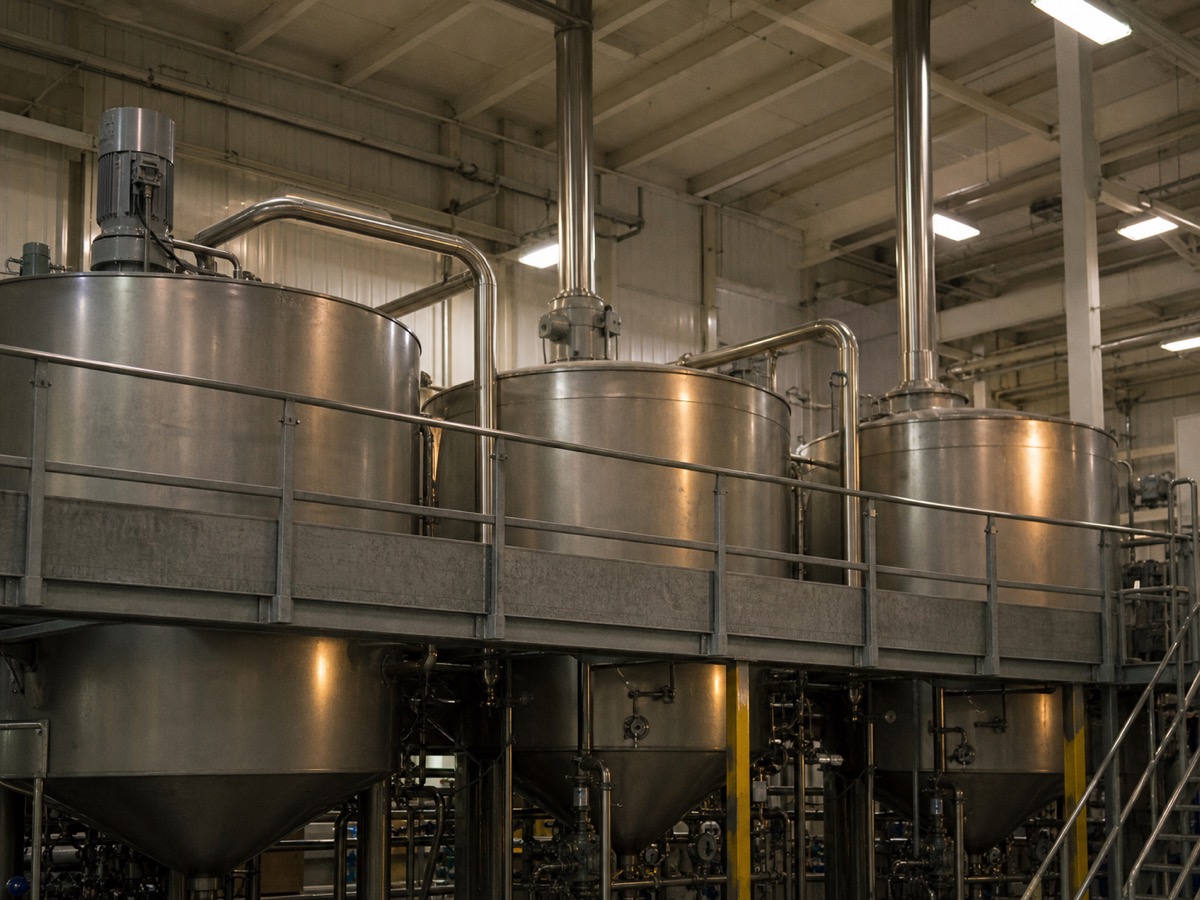
Channel 4’s Food Unwrapped does what it does well, which is point cameras at the inside of British food factories and explain, in straightforward language, how the food gets made. Last week’s episode included a long segment inside the Marmite factory at Burton-on-Trent. About six minutes of factory floor, a couple of interviews with production staff, and a careful walk-through of what spent brewery yeast actually looks like before it becomes a sticky brown spread.
This would, in a normal news week, be a pleasant Channel 4 segment that the regular Food Unwrapped audience would watch and enjoy and forget about by the following Tuesday. Instead, three days after broadcast, the clip is sitting at fifteen million combined views across TikTok, Instagram Reels, and a handful of other places, and the Marmite love-it-or-hate-it debate has been refreshed for an entirely new audience.
The reason, of course, is that Food Unwrapped aired in the same week that the McCormick deal was announced. Anything Marmite-related was going to travel further than usual that week. The visual hook of “this is what your favourite spread actually looks like before it becomes the jar” hit a primed audience.
The visuals are the story
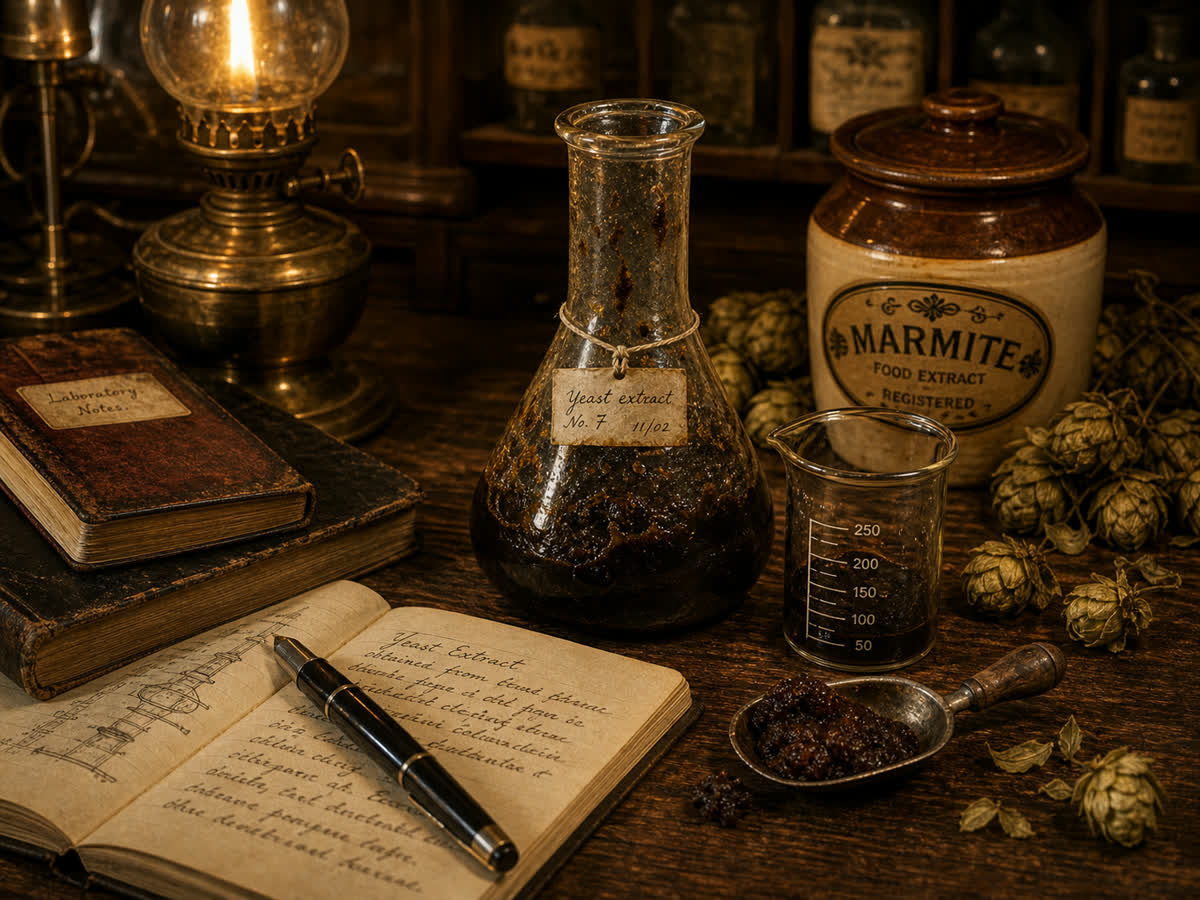
Marmite, before it is Marmite, is brewery yeast slurry. This is not a secret. Anyone who has read the side of the jar knows that the product starts as a by-product of beer making. But there is a difference between knowing it intellectually and watching it on television.
The Food Unwrapped segment includes a few minutes of vats of live yeast slowly breaking down, a brief look at the concentrate stage, and one or two close-ups that are, depending on your tolerance, either fascinating or mildly unsettling. The text on screen is calm and factual. The visuals are doing the work.
Predictably, the TikTok cuts have selected the most visually striking thirty seconds and stripped most of the context. Predictably, half the comments are people deciding that they will never eat Marmite again. Predictably, the other half are doubling down on their love for the product. The reactions follow the existing love-or-hate line almost perfectly, but with new participants, which is the point.
What the brand gets out of this
A great deal, mostly for free.
Fifteen million views of factory footage is, in advertising-equivalent terms, the kind of awareness exercise that a normal brand budget cannot afford. Some of those views will translate into “I have not bought Marmite in years, I should pick up a jar”. Some will translate into TikTok reaction videos that the brand can quietly engage with. A small portion will translate into the kind of person who will, in two years’ time, be the next wave of #MarmiteFirstTimer content.
The brand has handled it well. The official Marmite account reposted the Food Unwrapped clip with a single line of caption (“This is what we do.”), declined to make a meme of it, and let the audience do the talking. This is the right call. Trying to be funny on top of Food Unwrapped would have looked thirsty.
A small worry
The only risk in this kind of viral moment is that the factory imagery sticks. There is a school of consumer-psychology research suggesting that watching how a processed food is made can permanently dampen appetite for that food, even after the initial shock fades. Marmite has the advantage that its fans tend to be unusually committed and that the brand identity has always leaned into its slightly weird production story. But a few of the under-twenty-fives encountering the brand for the first time through the Food Unwrapped clip may simply file it under “things I have decided not to eat”.
This is not, however, an existential risk. Marmite has survived worse, including its own marketing during the 2008 “Hate Party” campaign. The brand is well-built for being slightly off-putting.
Watch it if you can
The full episode is on All 4 for the next month. The Burton segment is worth watching properly, in context, rather than via the thirty-second clips that have been doing the rounds. It is one of the better factory pieces the show has done, and the staff interviews are quietly excellent. There is also a brief shot of the spent-yeast holding tanks that I, for one, will be thinking about every time I open a jar from now on.
You decide whether that is a recommendation or a warning.