
“Mar-meet” is back, and so are the Americans
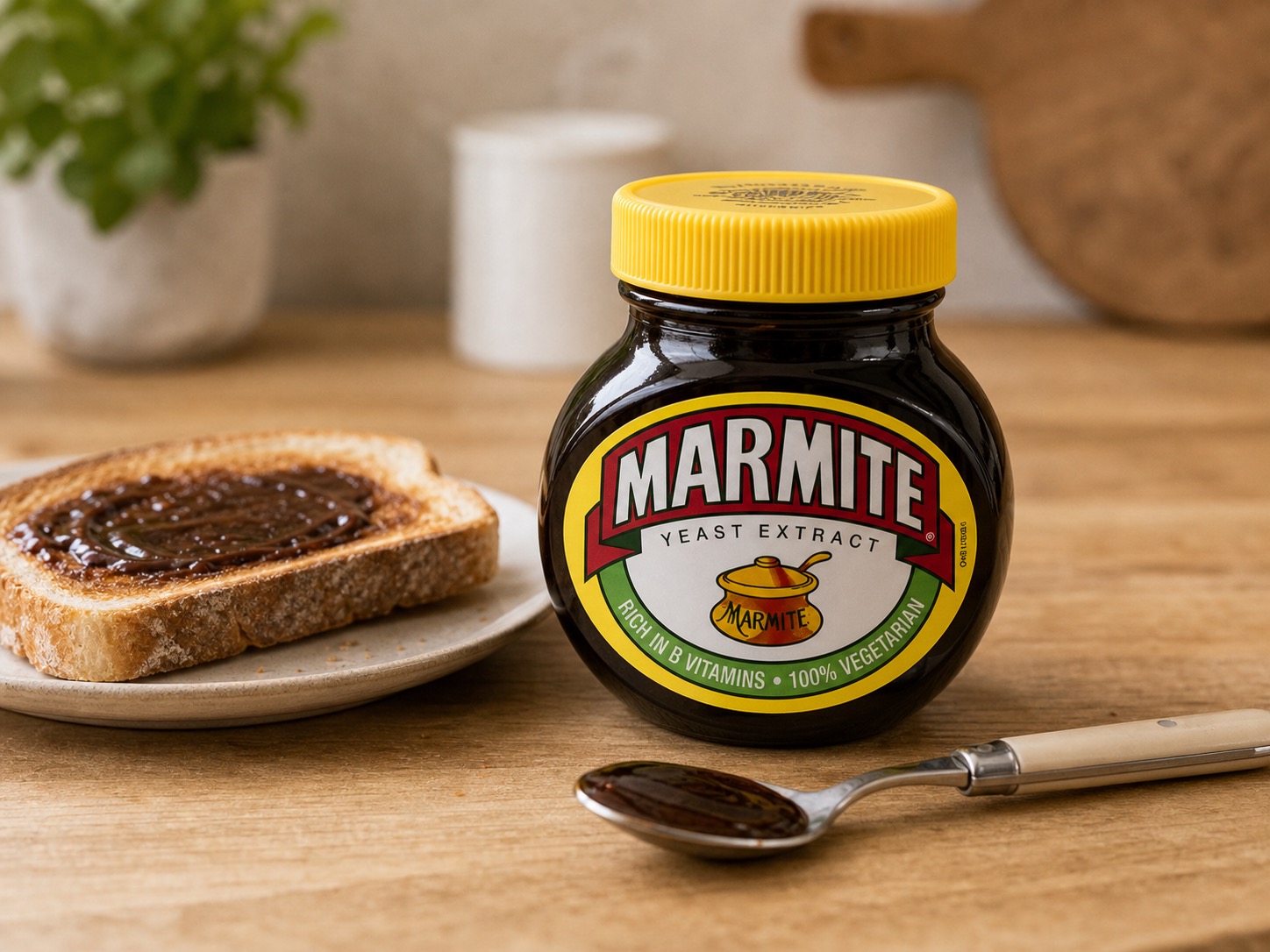
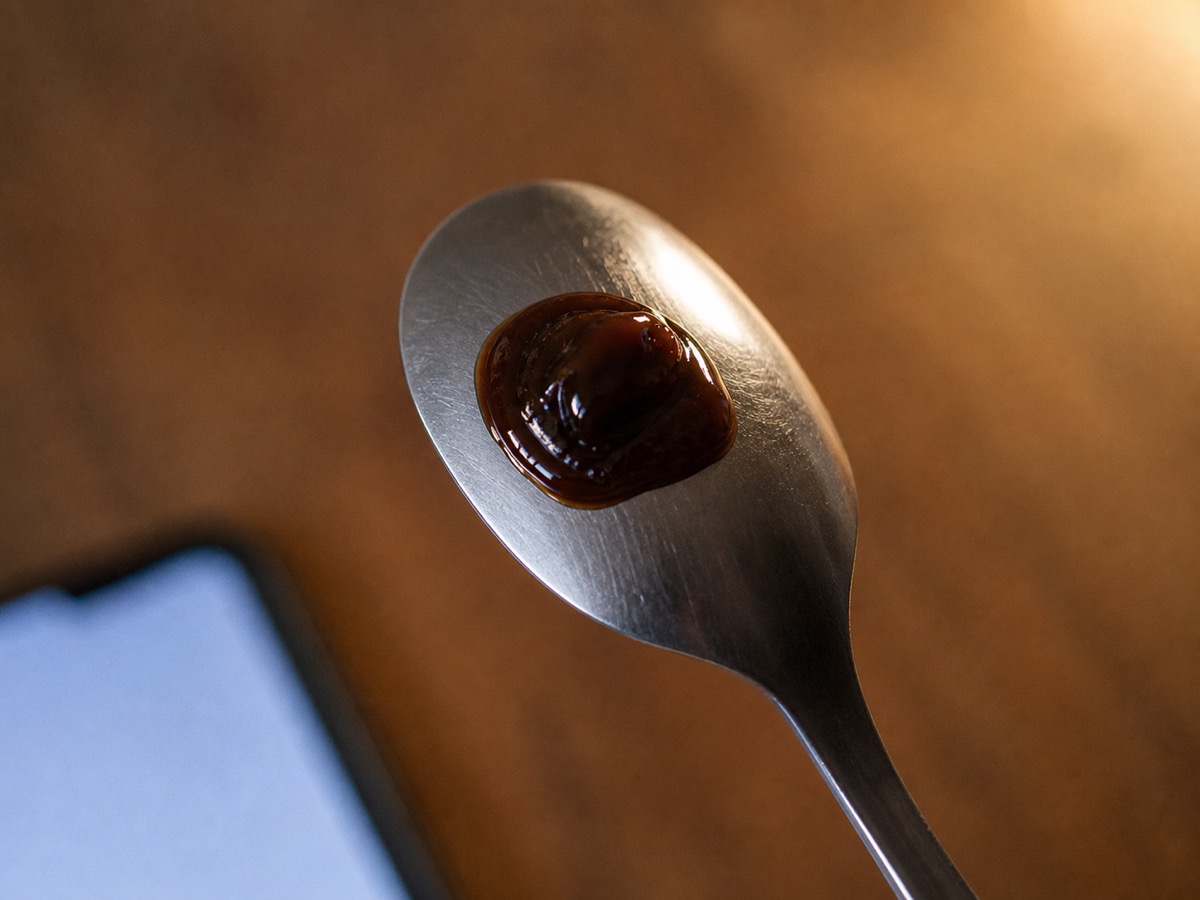
For about a fortnight after the McCormick deal was announced, the average American food creator on TikTok appeared to discover, simultaneously, that there is a thing called Marmite, that it is British, that it is now being bought by an American company they have heard of (mostly because of Old Bay seasoning), and that they should probably try it.
Most of them pronounced it “Mar-MEET”, which is the wrong pronunciation but the correct American instinct. The original “Mar-meet” meme dates back to a Reagan Yorke video from about 2022, when the rhyme-with-meet pronunciation was first surfaced as a thing that confuses British viewers. It has resurfaced this month with the new wave of taste-test content, and is, as I write this, sitting at the top of the relevant TikTok trends.
So here we are. The Americans have discovered Marmite again, mostly via McCormick, and the British, in the comment sections, are once more patiently explaining how to pronounce it.
The American half writes in
I should declare an interest, again. I was born American, I have lived in the UK since I was two, and on a topic like this I am, briefly, of marginal use as a translator.
The American instinct on Marmite, watching the current wave of content, is fairly consistent. Most American first-timers find Marmite too strong, too salty, too dark, and “too British”, which means a number of things at once but mostly means it tastes like nothing else in the American breakfast vocabulary. A small minority, mostly people who already love Vegemite, miso, anchovies, or any other concentrated savoury food, find it excellent and immediately want to know where to buy it.
The pronunciation thing is, I think, harmless. American English does odd things with French-origin food words (“Mar-meet” is, in fact, not a million miles from the original French marmite, meaning a small cooking pot). British viewers shouting “it’s MAR-mite, not MAR-meet” in the comments are correct, but they are correct in a way that is slightly amusing rather than catastrophically important. We have lived with the Americans saying “AL-uh-mi-num” for decades. We can survive “Mar-meet”.
What this means for McCormick
McCormick, even before the deal closes, is presumably watching the current wave with some interest. A spike in American awareness of Marmite, for free, sponsored by their own corporate logo making the front pages, is exactly the kind of soft-launch they could not have engineered if they tried.
A small footnote worth dropping in for accuracy. McCormick’s own press release on the deal names exactly two Unilever Foods brands, Knorr and Hellmann’s, and bundles everything else, Marmite included, under the catch-all phrase “a wide array of local brands across EMEA, Latin America and APAC”. The combined company will keep the McCormick name, the NYSE listing, the Hunt Valley global headquarters, and a second international headquarters in the Netherlands; Brendan Foley stays as chief executive and Marcos Gabriel as chief financial officer. So whatever soft-launch the “Mar-meet” wave is providing, it is happening to a brand that is not, in McCormick’s own corporate language, a named strategic centrepiece of the transaction. Marmite is famous to TikTok in 2026 and a footnote to the deal documents at exactly the same time. That mismatch is, in itself, quite a 2026 sort of thing.
The question is whether they will actually do anything with it. The realistic options, when they take over the brand in mid-2027, are:
One, push Marmite into US grocery at scale, on a slightly higher price point, marketed as a “British heritage umami paste” alongside their existing flavour-focused brands. This would be the obvious move, given the trend, and it might work. Most of the American first-timers in the current videos would never buy Marmite again, but a small percentage would, and a small percentage of the US grocery market is a meaningfully large number.
Two, keep Marmite as a specialist UK product and let the American audience remain a curiosity. This is the easier option, requires less investment, and risks less brand damage if the US push flops. It is also the more boring option.
Three, do something performative and short-lived: a “McCormick Marmite Original” co-branded jar for the American market, with slightly different packaging, gone within eighteen months. This would be the worst option and the most likely. I hope I am wrong.
The pond keeps shrinking
The thing the current trend illustrates, in passing, is that the cultural distance between British and American food media is much smaller than it used to be. The same TikTok videos play on phones on both sides of the pond, the same comment threads include both nationalities, and the same brands are increasingly being asked to perform for both audiences simultaneously.
Marmite, as a brand, has been a UK-only proposition for most of its history. The McCormick deal, plus the current viral wave, plus a TikTok feed that does not particularly care which country you are in, all point in the same direction. The next ten years of Marmite content, whether the brand likes it or not, is going to be more transatlantic than the previous hundred years combined.
That is not necessarily bad. It depends, mostly, on whether McCormick respect the thing they have bought. We will know in a couple of years. In the meantime, the comment sections are entertaining.