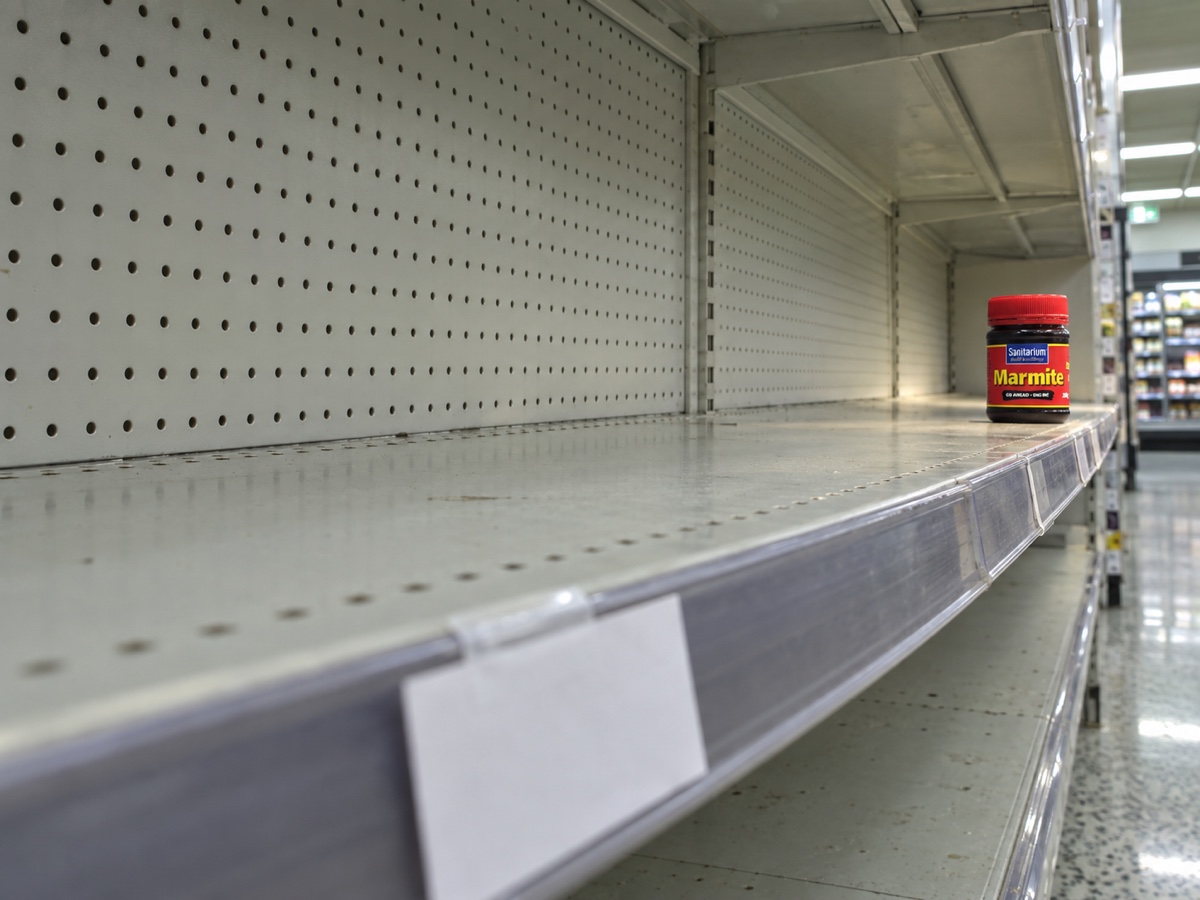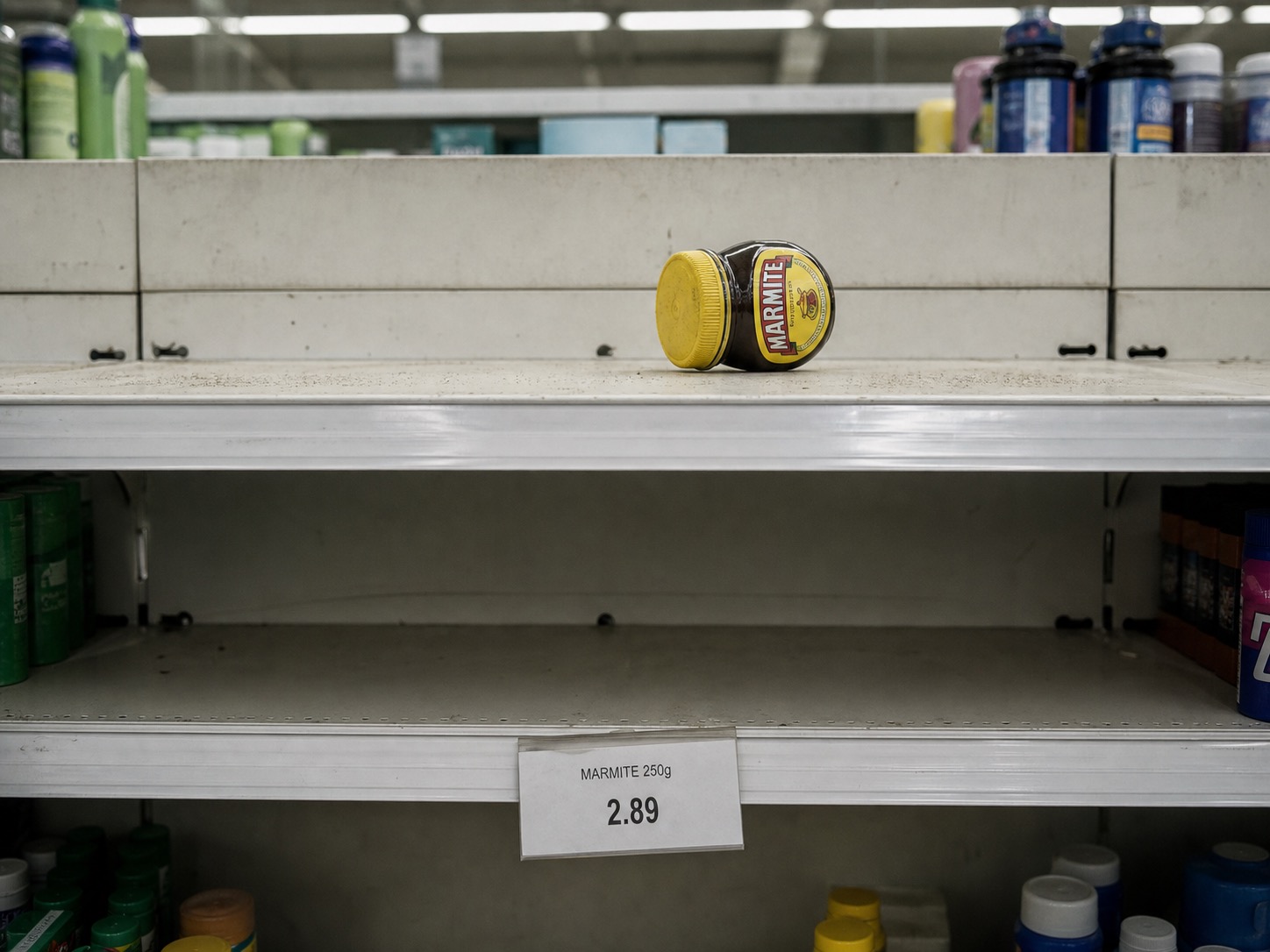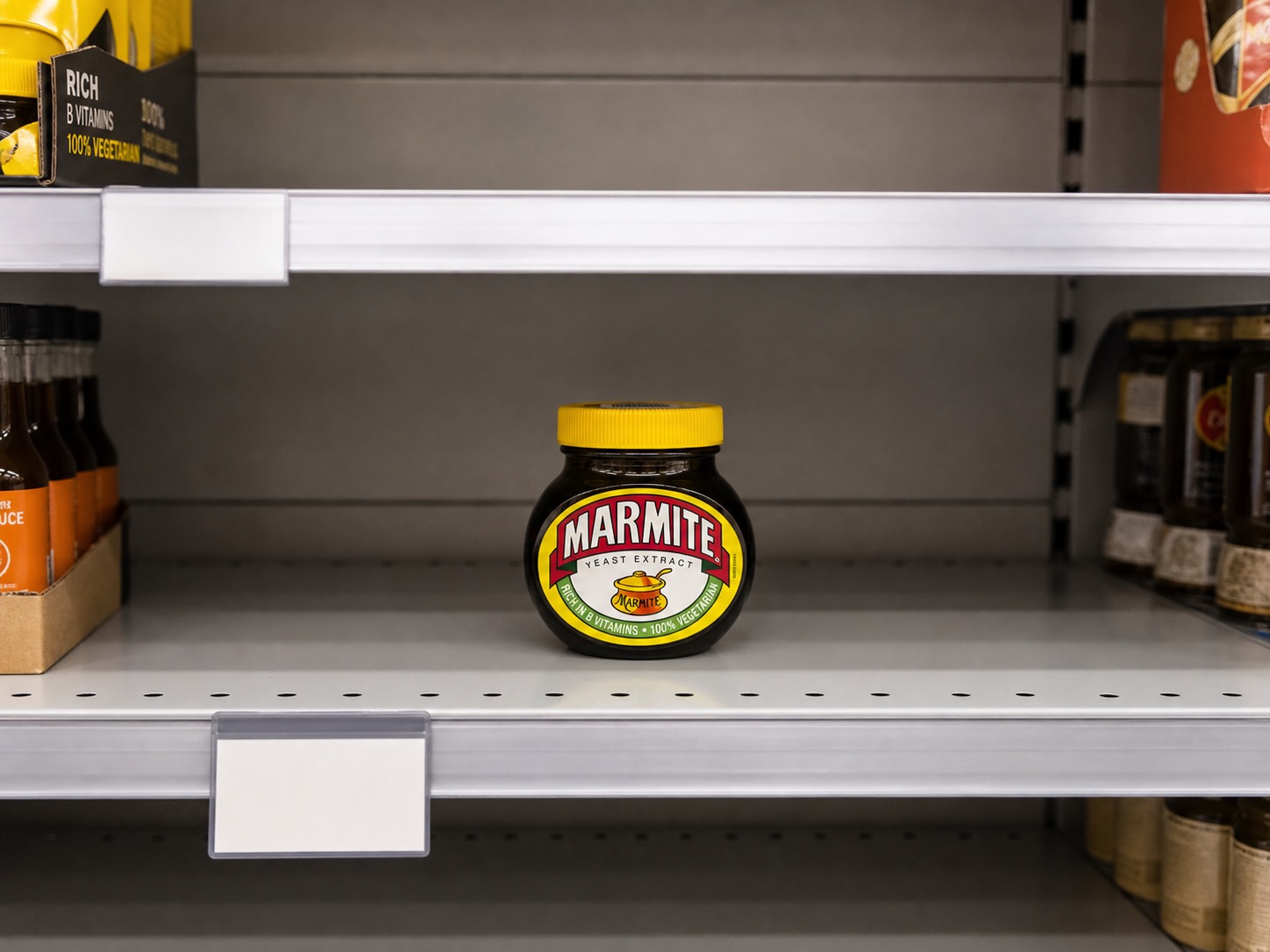

Marmite has been pulled out of an entire region and almost nobody over here noticed.
Not a shortage. Not a blip. Delisted, in Singapore and in Malaysia, with effect from 1 April 2026. The jars drained off the shelves over the following months, resale prices went up to seven times retail, and the first anyone heard an actual reason from Unilever was 28 July. That is nearly four months of people standing in supermarkets wondering where their Marmite had got to.
It’s the silence that irritates me rather than the delisting. Companies drop products from small markets all the time and that is genuinely not a scandal. But somebody signed this off in March, and then nobody said anything until a Singaporean news site went and physically checked the shelves.
What actually happened
Unilever Asia, the regional distributor, took Marmite off its portfolio from 1 April. Because existing stock sold through gradually, the gaps only became obvious over the summer. Mothership went round three chains on 23 July and came back with nothing from Cold Storage, Sheng Siong or NTUC FairPrice. They also noted that Vegemite was fully stocked, which I am choosing to take personally.
Prices did what prices always do. The Malay Mail had jars going for up to S$50, more than seven times what they should cost.
Marmite itself is fine, by the way, if you have arrived here in a panic. Still made in Burton. Still on the shelf in Sainsbury’s. This is two markets losing their distribution, nothing more.
The two explanations don’t match
On 27 July the reason coming back was commercial: not enough consumer sales, limited retail distribution, and shelf space in supermarkets being fought over harder as sales fall.
On 28 July, Unilever International told CNA this instead: “Following ongoing supply challenges, we have made the difficult decision to discontinue the Marmite brand in Singapore.”
Nobody was buying it, versus we couldn’t make enough of it. Those are different problems with different implications, offered a day apart. And underneath both sits an internal notice, quoted in the reporting, about “continued service challenges from the sourcing unit due to tight capacity caused by unexpected long-term major production line down”, which is a magnificent piece of corporate language meaning a machine broke and stayed broken.
So the supply explanation is probably the real one. My best guess, and it is a guess, is that a line went down, supply got tight, someone looked at the sales figures for two smallish markets and decided they were the ones to cut. Perfectly ordinary commercial decision. Nobody needs to apologise for it.
There was also a spokesperson line about Marmite having “a loyal following of lovers (and haters!) around the world”, which is the kind of thing that gets written when there is nothing to announce.
One more date, offered without comment
The delisting took effect on 1 April 2026.
Unilever announced the combination of its foods business with McCormick on 31 March 2026.
I have no evidence whatsoever that those are connected and I’m not going to pretend I do. Regional delistings happen constantly and this is a rounding error against a deal worth about £33 billion, or $44.8 billion in US dollars. But enough people spotted the dates that leaving them out would look like I hadn’t. The McCormick deal is the far bigger story anyway.
Malaysia is the bigger loss, and nobody covered it
Here in Britain, Marmite is a spread. Toast, argument, done.
In Malaysia it is an ingredient, and that changes everything about what losing it means. Marmite chicken is a real dish that real people order in real restaurants: fried chicken in a sticky dark glaze built on the stuff, sweet and savoury and faintly medicinal in a way that sounds wrong written down and is superb in practice. It is on menus. It is somebody’s childhood. One Singaporean outlet ran with “No more Marmite chicken?” as the headline, and if you have eaten it you understand why that is the angle rather than anything about toast. The recipe is on the site if you want to see what the fuss is about.
The reporting has been almost entirely Singaporean, which is odd, because Malaysia is much the larger Marmite culture of the two and the delisting hit both. Mothership confirmed that. Almost nobody followed it up.
We have been here before
New Zealand lost its Marmite for a full year when the Christchurch earthquakes wrecked Sanitarium’s Papanui factory. Announced March 2012, back on shelves 20 March 2013, jars going for $60 on TradeMe in between, and the whole thing christened Marmageddon by a delighted press. (Kiwi Marmite is a different recipe and a sweeter, milder product, and I would not swap, but I am not going to be smug about a country losing its spread for a year.)
We had our own wobble in October 2016 with the Tesco pricing row, sorted in days. And a real one in 2020 when the breweries closed and the yeast went with them.
Every one of those came back. This is the first time I can think of where a market has simply been dropped and left, with no return date offered.
Will it come back?
Unilever says it might consider it. That is not a commitment and was not phrased as one. Supermarkets out there were reportedly chasing alternative stock.
Given the cause looks like a production problem, and given the entire foods division is currently being merged into an American spice company with completion not expected until the middle of 2027, I would not sit by the window waiting.
Importing is the answer for now if you are out there and you want the proper stuff. Check the date on the lid, though it hardly matters: Marmite lasts more or less indefinitely, and a jar that has spent three months in a container is no worse for it.
Why was Marmite discontinued in Singapore?
Unilever International said in a statement to CNA on 28 July 2026 that “following ongoing supply challenges, we have made the difficult decision to discontinue the Marmite brand in Singapore”. A separate explanation given the previous day cited insufficient consumer sales and limited retail distribution. An internal notice quoted in reporting referred to a long-term production line outage at the sourcing unit, which supports the supply-side explanation.
Is Marmite discontinued in Malaysia too?
Yes. Unilever Asia delisted Marmite in both Singapore and Malaysia with effect from 1 April 2026. Most reporting focused on Singapore, but the withdrawal covers both markets. Malaysia has the larger Marmite culture of the two, largely because of Marmite chicken.
Is Marmite discontinued worldwide?
No. Marmite continues to be manufactured in Burton upon Trent in the United Kingdom and sold normally in Britain and other markets. The 2026 delisting affects distribution in Singapore and Malaysia only.
When did Marmite disappear from Singapore shelves?
The delisting took effect on 1 April 2026, but existing stock sold through gradually, so shelves only emptied over the following months. The story broke publicly in late July 2026, when shoppers found no stock at Cold Storage, Sheng Siong or NTUC FairPrice and resale prices climbed to more than seven times normal retail.