
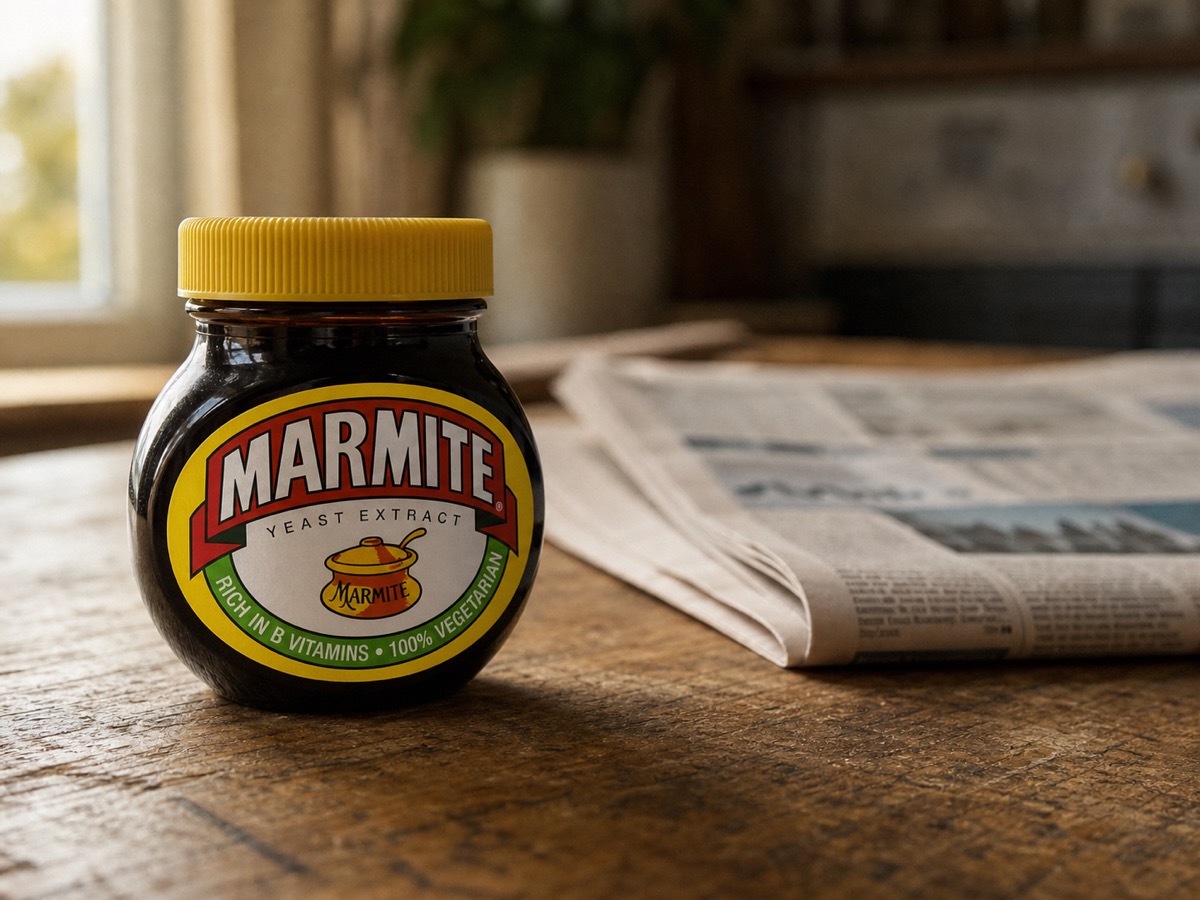
The headline most of us were dreading
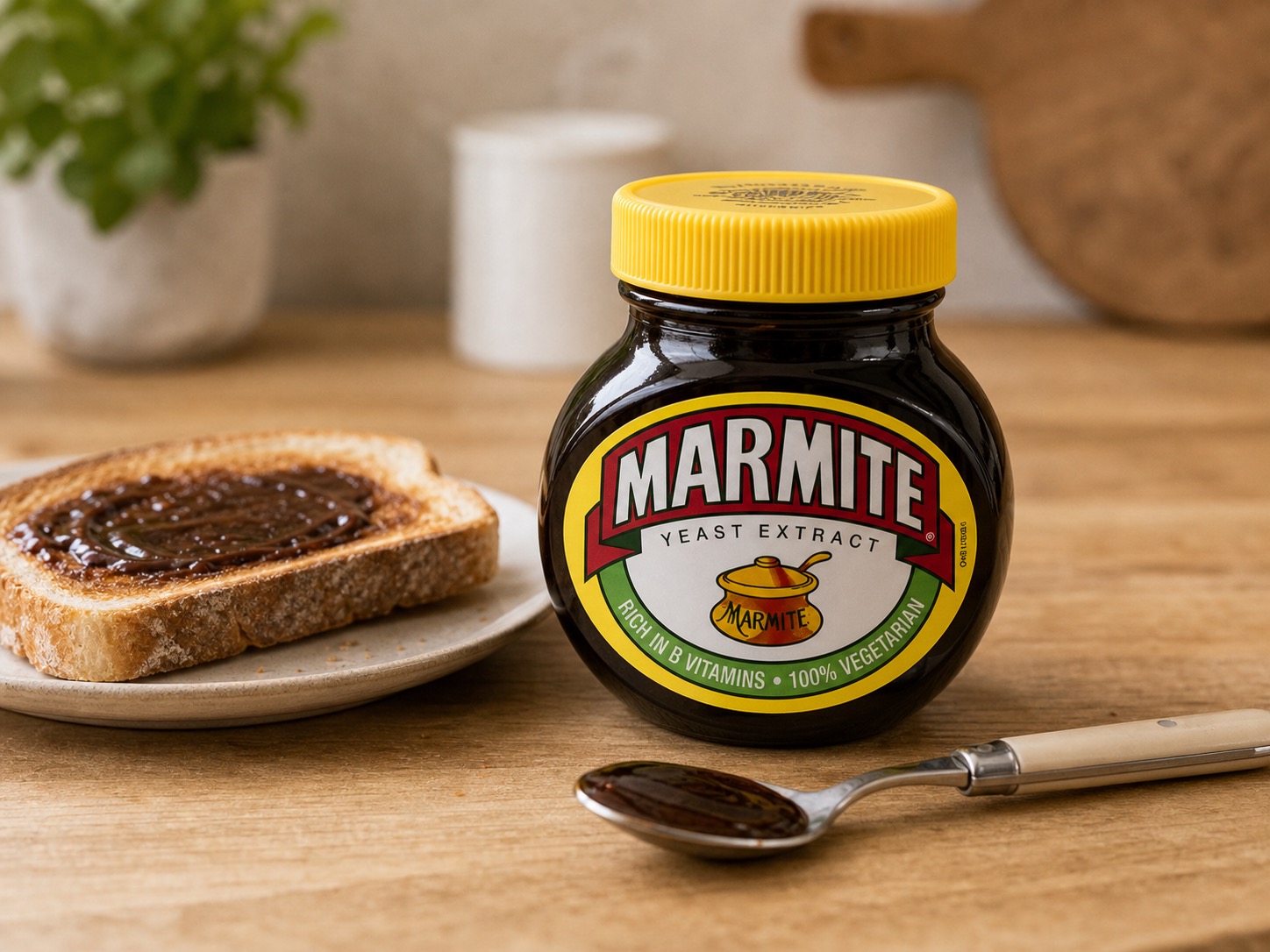
So this is the day. Marmite becomes the beloved AMERICAN yeasty extract! Well, it will then the regulators finish with their paperwork. Unilever announced this morning that it is folding its entire food business into McCormick, the American spice company best known on this side of the pond for the little jars of cumin in the back of your kitchen cupboard. Marmite, Hellmann’s, Knorr, Bovril, Colman’s: the whole British pantry, is now American in a single press release.
The deal is worth about £33.5 or $45 billion US dollars. McCormick is paying $15.7 billion of that in cash, and Unilever shareholders take a 55.1 percent slice of the combined company, with Unilever itself hanging on to a further 9.9 percent stake. The whole process should complete in 2027 and Marmite will be more like me, British and American!
What McCormick is actually getting
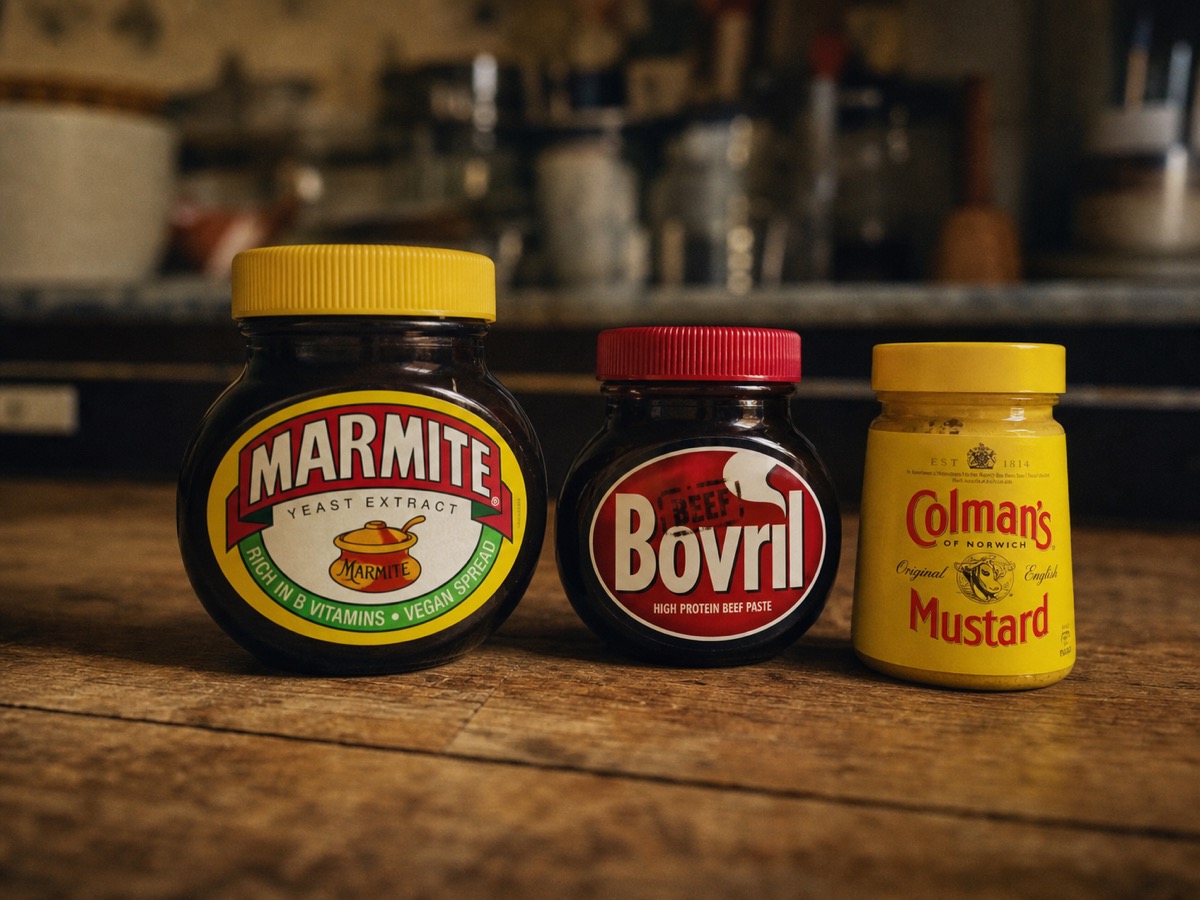
McCormick is buying the lot. That means the Hellmann’s mayonnaise that lives in roughly every fridge in Europe, the Knorr stock cubes that quietly prop up most British weeknight cooking, the Bovril that older readers still drink at football matches, the Colman’s mustard that has been made in England since 1814 in Norfolk where I live, and our beloved sticky brown jar.
In financial terms, this is being valued at around 13.8 x Unilever Foods’ 2025 earnings, which is the sort of multiple you pay when you are buying a portfolio of brands that nobody really expects to grow much but which produce reliable cash year after year. McCormick is promising $600 million a year in cost savings by year three, which usually means head office redundancies, factory consolidation, and a fair amount of consultancy work.
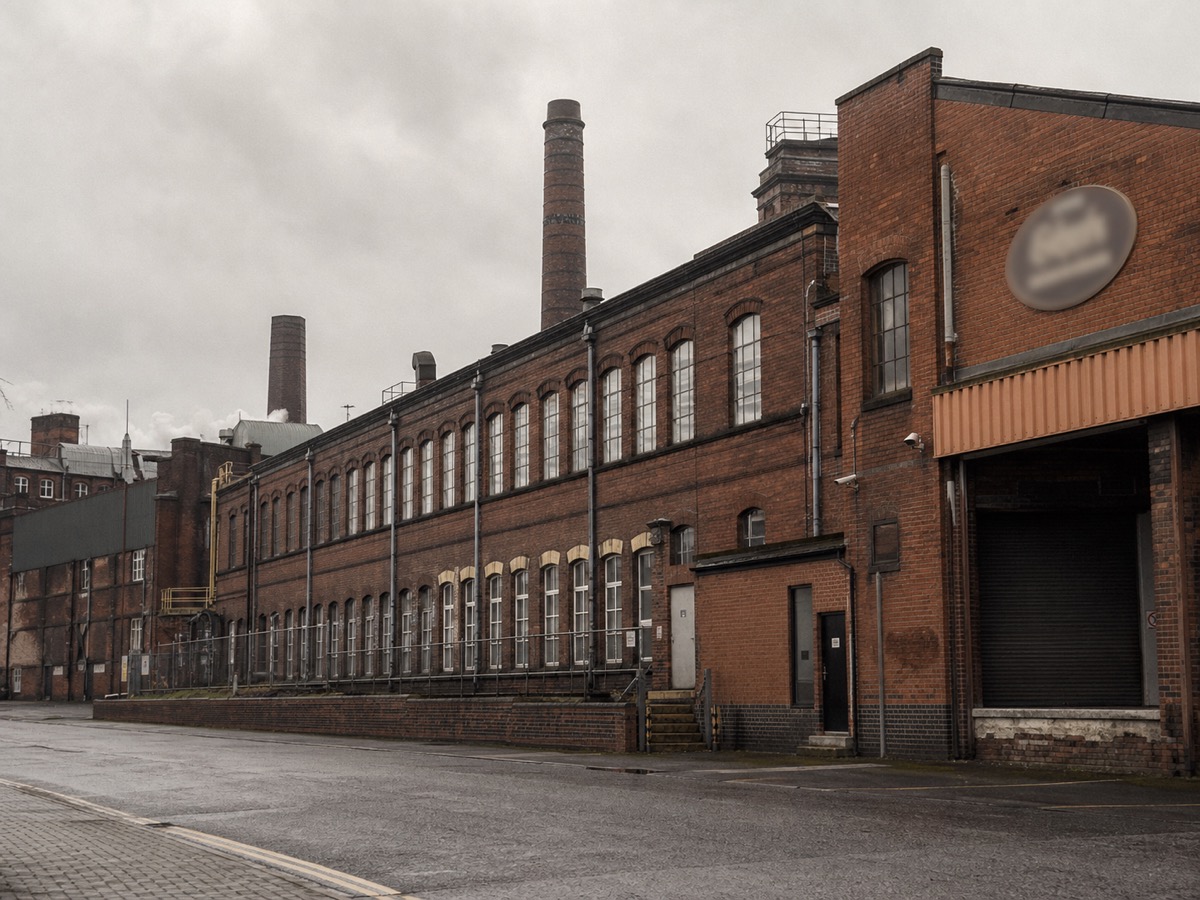
What it does not yet mean, officially, is anything about Burton-on-Trent. McCormick has said only that a long-term manufacturing agreement is in place, which is the polite corporate way of saying nothing has been decided. Marmite has been made in Burton since 1902, originally because the breweries on the doorstep produced more spent yeast than they knew what to do with. If anyone fancies giving us a straight answer about whether the factory survives this, we are listening.
What the press release actually says
A small but important caveat that most of the British coverage skipped past. The official McCormick announcement explicitly names exactly two Unilever Foods brands: Knorr (in 90 countries, sold as a household name worldwide) and Hellmann’s (one of the world’s leading mayonnaise brands, in 65 countries). Together those two account for roughly 70 per cent of Unilever Foods sales. Everything else, Marmite, Bovril, Colman’s, Pot Noodle and the rest, is bundled under the phrase “a wide array of local brands across EMEA, Latin America and APAC”. So while every Reuters and FT piece on this deal named Marmite, the corporate statement did not. The brand is included via the carve-out; it is not, in McCormick’s own words, a strategic centrepiece.
The deal is structured as a Reverse Morris Trust, which is the reason the equity component is so much larger than the cash payment. The structure means the transaction is not expected to generate US federal income tax for Unilever or its shareholders. The combined company will keep the McCormick name, maintain its NYSE listing, run a global headquarters in Hunt Valley and a second international headquarters in the Netherlands. Brendan Foley stays on as Chairman, President and Chief Executive; Marcos Gabriel stays as Chief Financial Officer; Unilever appoints four of the combined board’s twelve members.
Excluded from the transaction, by name: the Indian foods business (the largest single exclusion), the Nepalese and Portuguese foods operations, the Lifestyle & Nutrition arm (Horlicks), Buavita in Indonesia, and the Lipton Ready-to-Drink joint venture. Those stay with what Unilever chief executive Fernando Fernández described as “a €39 billion pureplay HPC company with a proven sector-leading growth profile”.
And the bit that should worry Burton most: the press release does not mention the Burton factory, or any UK manufacturing commitment, by name.
Why Unilever did it
A Dutch-British corporation that has owned Marmite for twenty-six years decided we were a rounding error.
The short version: Unilever’s new chief executive, Fernando Fernandez (does he hav the same first and last name??), has been running a strategy he calls the Growth Action Plan. The plan is essentially to turn Unilever into a beauty and personal care company. Dove, Vaseline, Sure, Hellmann’s, Knorr, Marmite, and the rest were all sitting in the same conglomerate, which made for tidy quarterly reports but, in Fernandez’s view, meant the food brands were starving the beauty brands of investment and management attention.
The ice cream business went first. Magnum, Ben and Jerry’s, Wall’s, and Cornetto were spun off in December as The Magnum Ice Cream Company. That was the rehearsal. This is the main event. After today, Unilever’s food business is, more or less, gone.
For the City, this counts as decisive. For the rest of us it counts as the moment a Dutch-British corporation that has owned Marmite for twenty-six years decided we were a rounding error.
The reaction in Britain
Predictable, on the whole. The first hour of news coverage was dominated by the Cadbury comparison, which has been waiting in the wings since Kraft bought Cadbury in 2010 and promptly closed the Somerdale factory after promising not to. Burton’s MP was on the radio by lunchtime. Unite the Union issued a statement. The phrase “you can’t sell Marmite to the Americans” started trending on what we are now supposed to call X. There is something quite British about a country that has cheerfully sold off most of its car industry, its utilities, and its football clubs drawing the line at a yeast spread.
The markets, for what it is worth, did not love it either. Unilever shares fell almost 8 percent in London by the close. McCormick fell about the same in New York. The first verdict on the deal is that nobody is quite sure who got the better of whom.
What actually changes for Marmite
In the short term, almost nothing. The deal does not close until mid-2027, and during that window Unilever continues to run Marmite as before. The jar on the shelf will be the same jar. The recipe is the same. The price will keep doing what it has been doing, which is going up slightly faster than wages.
In the medium term, the questions get interesting. McCormick is a spice and flavour company, headquartered in Hunt Valley, Maryland, with a culture built around dry seasonings rather than sticky pastes. They have not run a brand like Marmite before. They may decide to push it harder in the US, where it has always been a niche curiosity. They may decide it is too British to bother with and leave it alone. They may, less happily, decide that Burton-on-Trent is more expensive to operate than wherever they would rather make it.
There is a third option, the one I would quietly prefer. A smaller, more focused owner sometimes turns out to be better for a brand than a giant. When Premier Foods bought Bisto from RHM, the gravy granules quietly improved. If McCormick treats Marmite as a heritage British brand worth investing in, the next decade could be quite good for us. If they treat it as a line item on a synergies spreadsheet, it will not be.
When I sat the Marmite Mnemonicon’s Winston Churchill down a week ago about the rumoured sale, before the McCormick name was known, he was characteristically robust. The sale, he told me, ought not to be accepted at any price unless two conditions were met: the proceeds must be invested in rebuilding British productive capacity elsewhere, and the deal must include ironclad guarantees on the Burton factory. He then asked, with the kind of question that should be printed and hung in the Cabinet Office, “What do we wish Britain to be? A manufacturer, with factories and workers and the pride of productive skill? Or a rentier nation, living upon the sale of inherited assets while others make things and prosper?” He has been dead since 1965 and still produces better policy material than the live commentators.
2027 looms larger than ever
The press release does not mention the Burton factory, or any UK manufacturing commitment, by name.
There is one other date worth remembering. Marmite was first sold commercially in 1902, which means 2027 is the 125th anniversary. By then, the McCormick deal should be closed. Whoever is running the brand at that point has the option of doing something memorable with the milestone, or letting it pass.
Given that the new owner will be one of the largest seasoning companies in the world, and given that the anniversary lands almost exactly at the moment they take over, the smart thing for McCormick would be to make a fuss. A limited edition jar, a Burton factory open day, a proper commemorative campaign. Something that signals they understand what they have just bought.
I am not optimistic. But I am keeping an eye on it, and so should you.