
The B12 problem, and why Marmite is part of the answer
If you are vegan, your single hardest nutrient is vitamin B12. It is found almost exclusively in animal products, and it does real work: nerve function, red blood cell production, DNA synthesis. A deficiency creeps up slowly and the symptoms are vague (tiredness, brain fog, peripheral nerve symptoms) which is why it sneaks up on people who have been vegan for years and assume their diet is fine.
Most committed vegans take a B12 supplement, which solves the problem. But food sources matter too, because they are easier to stick to and they show up consistently in daily meals. Marmite is one of the few non-supplement food sources that delivers B12 in a meaningful dose. A single teaspoon, spread thinly on toast, contributes a noticeable chunk of the recommended daily intake. Not the whole thing, but a real contribution.
That is the entire reason vegan households disproportionately keep a jar of Marmite in the cupboard.
The other B vitamins, briefly
Marmite is also a useful source of B1 (thiamine), B2 (riboflavin), B3 (niacin) and B9 (folate). All of these are reasonably available in a varied plant-based diet, but Marmite delivers them in a concentrated form that makes the daily numbers easier to hit. Nothing about Marmite is magic. It is just a particularly dense delivery vehicle.
The umami trick, separately
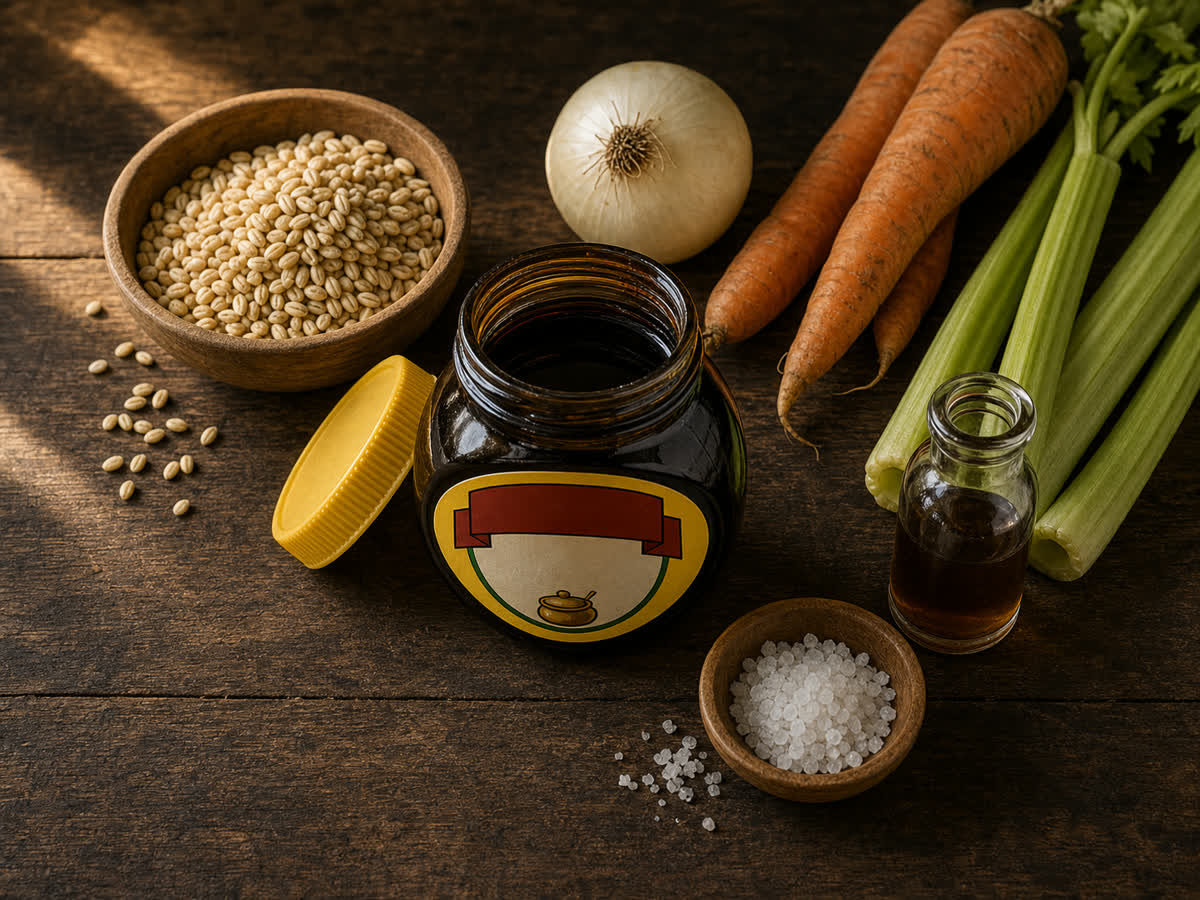
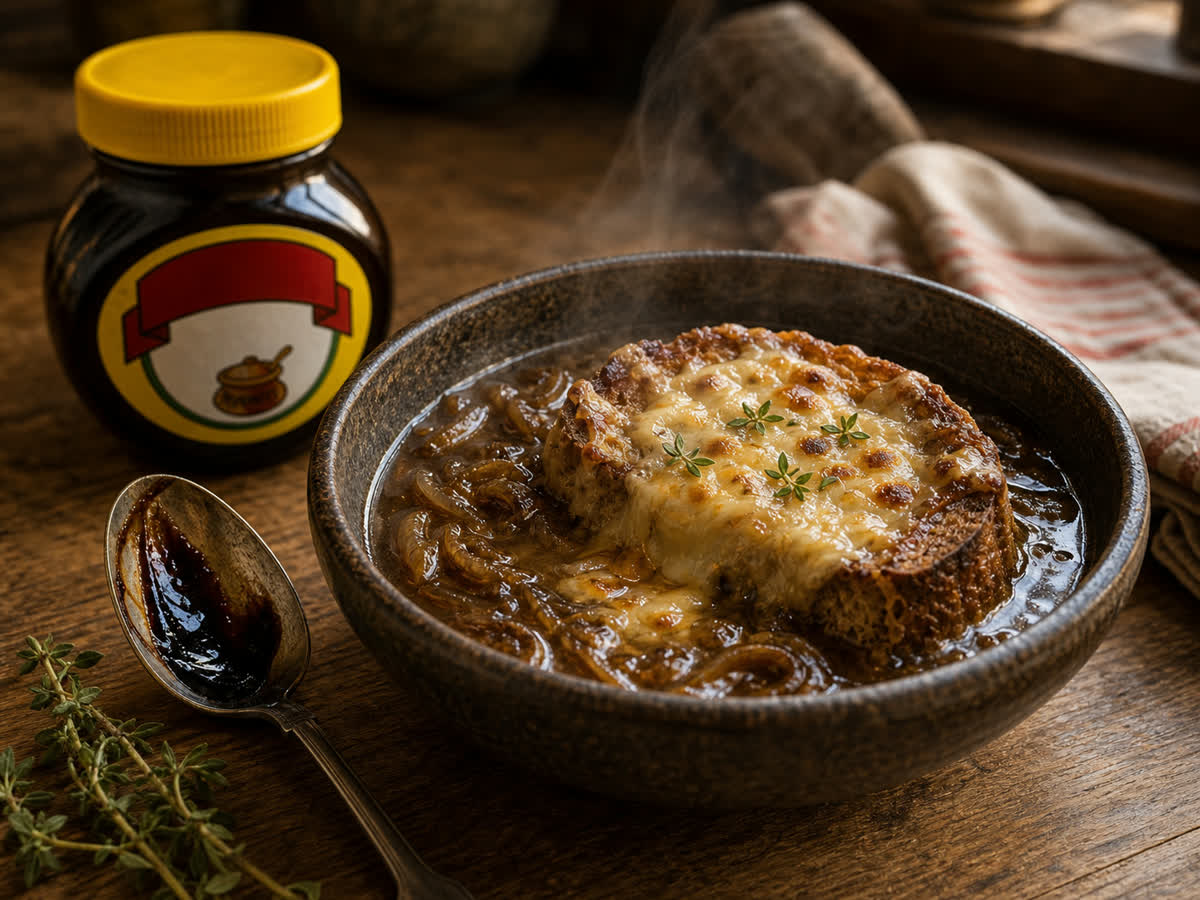
The nutritional case is one half of the answer. The other half is that Marmite happens to be a properly useful umami ingredient in a vegan kitchen. The thing that meat does for a stew or a gravy is, mostly, contribute glutamates and a long savoury back-note. Marmite has glutamates by the bucketload. A teaspoon stirred into a mushroom gravy, a lentil shepherd’s pie, or a tomato-based pasta sauce gives you the depth that omnivore cooks would normally pull out of beef stock or anchovies.
Used like this, Marmite is genuinely transformative. The reason the famous Nigella Marmite spaghetti recipe works for everyone (vegan or not) is that the umami is doing the work that a parmesan rind or a piece of bacon would otherwise do. Plant-based cooking has been using Marmite as a secret weapon for as long as plant-based cooking has existed.
What to use it in
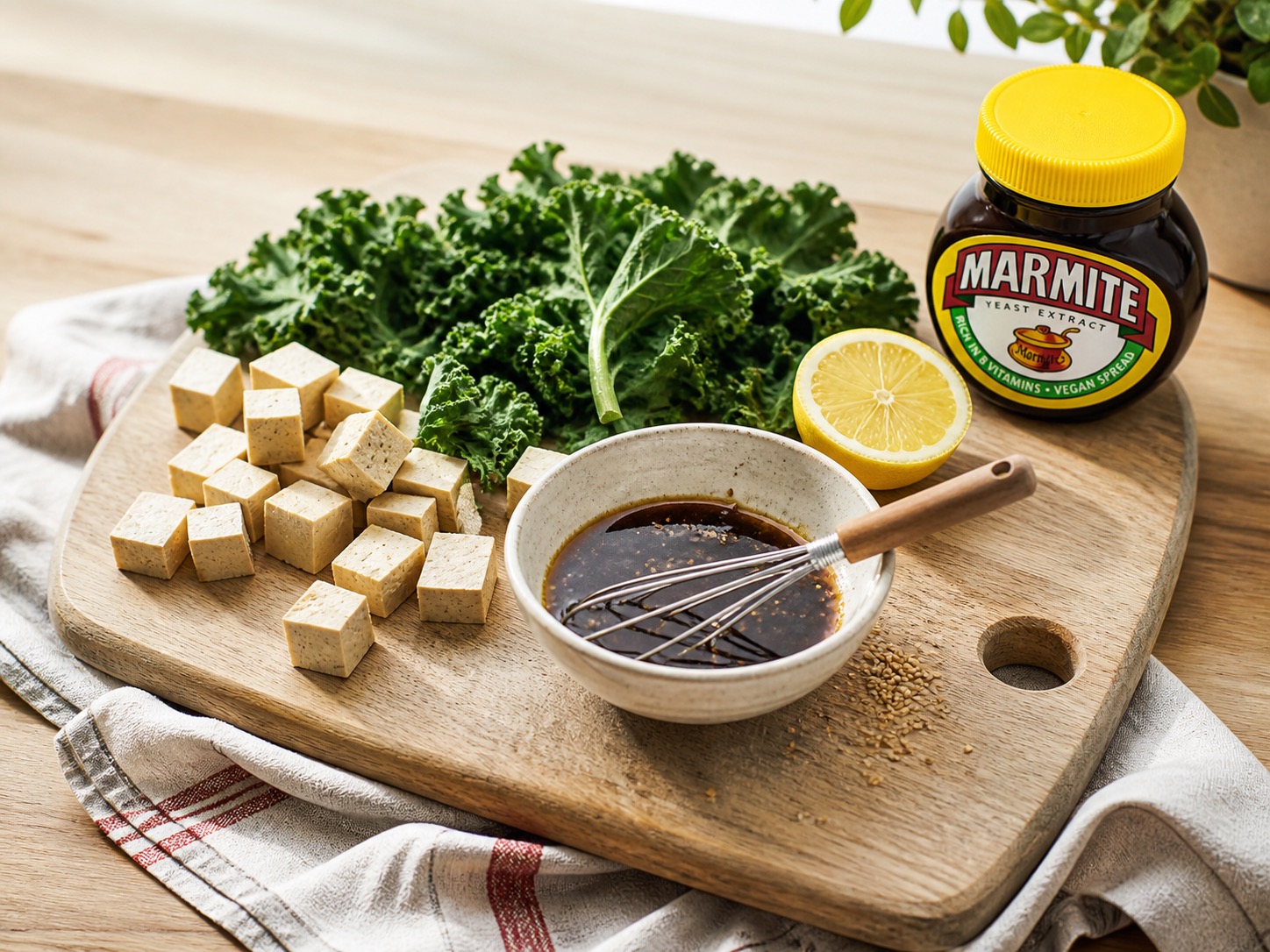
Stews, gravies, soups. Brush it on tofu before roasting. Add a teaspoon to a vegetable stock. Stir it into vegan cheese sauce. Mix it with vegan butter or olive oil for an instant umami spread. None of these are tricks, they are just ways of getting the most out of a small jar.
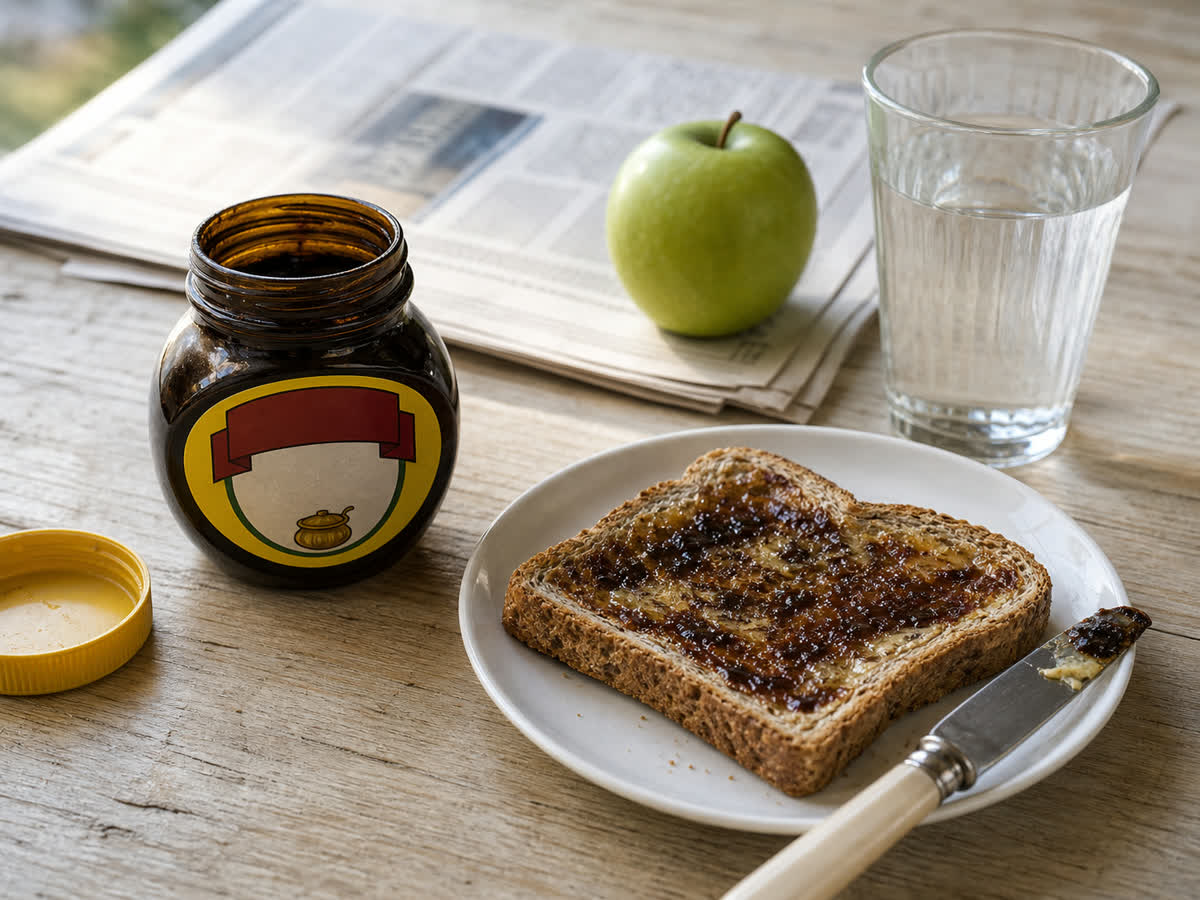
The classic application is still the right one: a thin layer on hot buttered (or vegan-buttered) toast. If you are new to it, start there.
The salt caveat, again
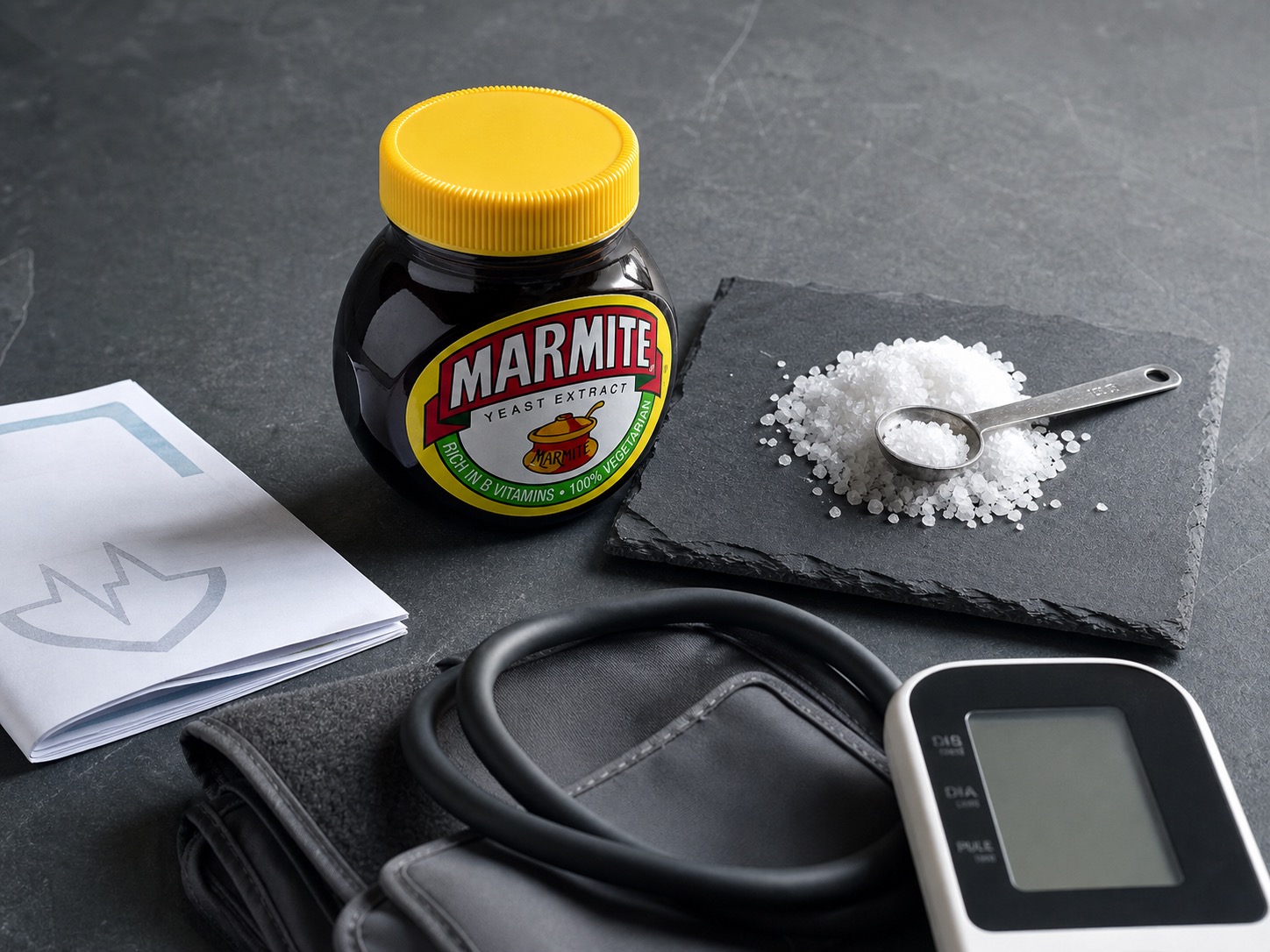
Marmite is salty. A teaspoon a day is fine for almost everyone. A tablespoon a day is too much. The dose is the answer to most “is Marmite healthy” questions.
The vegan-jar check
The classic black-lid Marmite jar is vegan. The squeezy version is vegan. The peanut butter Marmite is vegan. Some of the very limited-edition collaborations have been less clear (a couple of cheese-laced specials, for instance), so check the back of any unfamiliar one. But the standard jar you reach for is fine.
Sources: Marmite ingredient list; the Vegan Society on B12; British Dietetic Association.