
Five acquisitions, one consistent playbook
Between 1984 and 2015, McCormick acquired five major heritage food brands outside the United States. None of them was renamed. None of them had its recipe vandalised. Most of them are now bigger than they were on the day of acquisition. A couple of them have had production quietly consolidated away from the original heritage town, sometimes a decade later, sometimes never.
The deals, in order:
| Year | Brand | Country | Why it was acquired |
|---|---|---|---|
| 1984 | Schwartz | United Kingdom | UK’s number one consumer spice brand |
| 2000 | Ducros / Vahiné | France | France’s number one consumer spice and baking brand |
| 1995 | Aeroplane Jelly (Traders Pty Ltd) | Australia | National-icon dessert brand |
| 2011 | Kamis | Poland | Poland’s number one spice brand (~45% market share) |
| 2015 | Drogheria & Alimentari | Italy | ~1⁄3 of European spice and seasoning private label |
Forty-two years of McCormick stewardship at one end (Schwartz). Eleven years at the other (D&A). Enough range to see a pattern.
The pattern in seven points
1. The brand name is sacred. None of these acquisitions resulted in a rebrand. Schwartz is still Schwartz. Ducros is still Ducros. Kamis is still Kamis. McCormick does not slap its own name on the front. The corporate parent is genuinely well-hidden from the consumer.
2. The recipe stays the same. No mass reformulation. Long-running pedantic arguments (Schwartz’s use of cassia rather than “true” Ceylon cinnamon, for instance) predate the acquisition by decades.
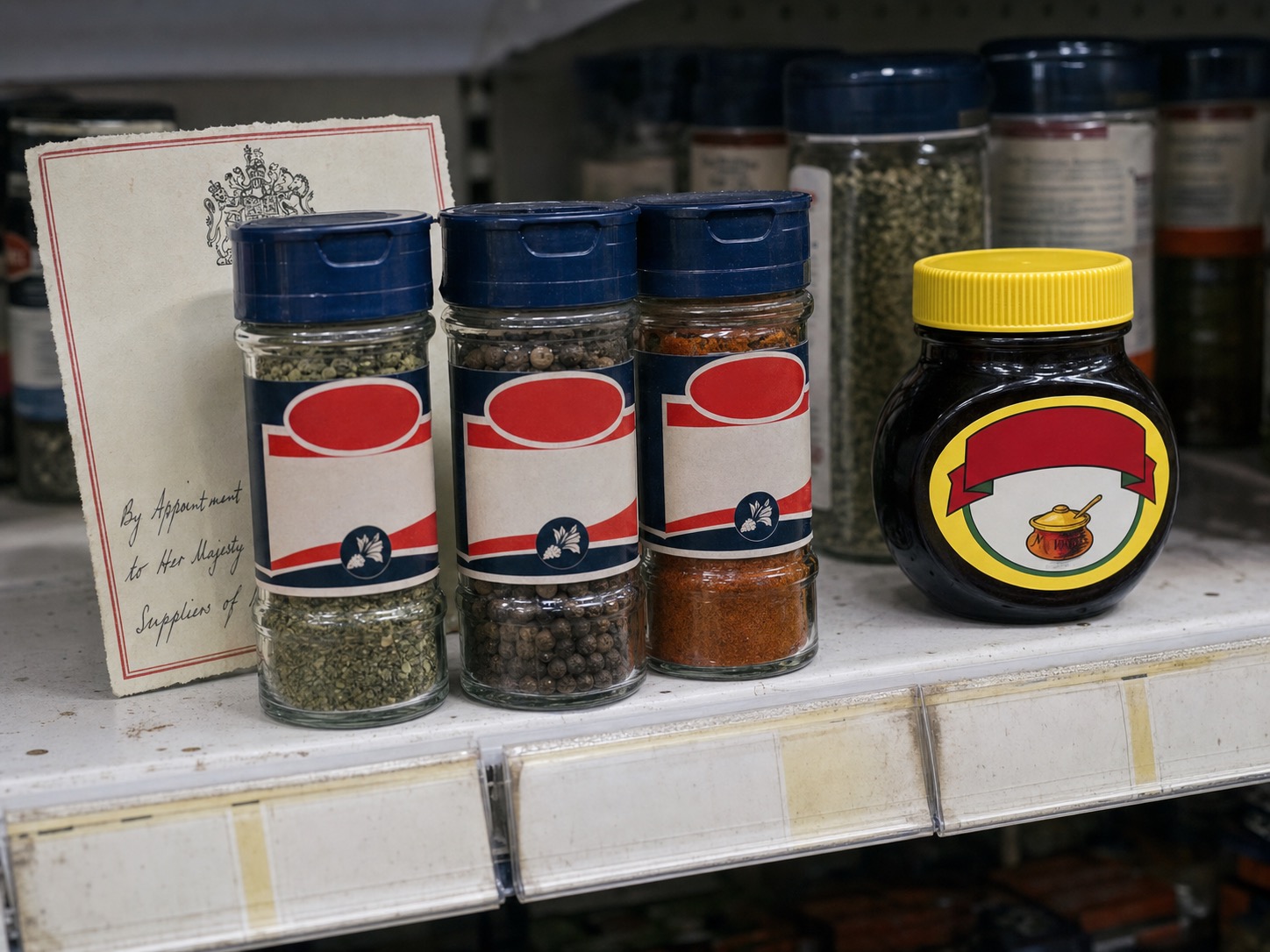
3. The packaging gets a refresh that respects heritage. Aeroplane Jelly’s retro packaging revival, Schwartz’s heavy emphasis on its Royal Warrant, Ducros’s lavish 50th anniversary in 2013. McCormick is unusually good at running national-heritage marketing for brands it owns.
4. Production stays in the heritage country, with investment. In France, by 2013 McCormick had invested €85 million in the Vaucluse facilities at Carpentras and Monteux: a new grinding tower, automation, a quality laboratory, new HQ at Avignon-Agroparc. Schwartz manufacturing continues at Haddenham, Buckinghamshire. Kamis still operates from Wólka Kosowska near Warsaw.
5. But the production location can shift after a decade. The cleanest counter-example is Aeroplane Jelly: 33 years at West Ryde in Sydney, then in 2006 (eleven years after the McCormick acquisition) production moved to Clayton in Victoria as part of an Australian “manufacturing centralisation”. The original heritage site was abandoned.
6. The local admin team is what gets offshored, not the production line. In 2014, McCormick moved the Ducros financial services department from Avignon to Poland. Around 28 employees struck for better severance packages. A 2015 announcement repeated the trick with another 20 positions. The Polish operation has quietly become McCormick’s European admin hub partly by absorbing these jobs from France.
7. Worker pay disputes happen and are usually resolved with modest gains. In November 2018, Monteux and Carpentras workers struck for two days at 80 per cent participation after McCormick offered a 0.9 per cent annual pay rise. They obtained a 60-euro monthly increase, which works out to about 4 per cent on a lower salary. This is more “American-corporate-discipline meets French-labour-norms” than McCormick-specific malice, but it is a recurring theme across the European operations.
Quality and recall record
The brand name is sacred. None of these acquisitions resulted in a rebrand.
The only proper quality incident on record across the five brands was a 2023 Kamis recall in Poland for cloves containing levels of chlorpyrifos (a pesticide banned in the EU) above legal limits. Two batches were withdrawn. This is the sort of incident that happens to all major spice companies, not a McCormick-specific failing.
Schwartz, Ducros, Vahiné, D&A and Aeroplane Jelly have no headline recalls in the post-acquisition period that I could find.
The Aeroplane Jelly footnote (the cautionary tale)
Production stays for a while. Then there is a quiet announcement.
The one acquisition where production materially moved is worth dwelling on. Aeroplane Jelly was acquired by McCormick Foods Australia in 1995. For eleven years the brand kept being made at West Ryde, where it had been since the 1970s. In 2006, McCormick announced that production would centralise in Victoria, at the Clayton facility, “to centralise its manufacturing operations”. The West Ryde site closed.
The brand itself survived, intact, with strong heritage marketing and even retro packaging revivals. The factory did not. This is the one part of the McCormick playbook that produces real political flak, and it is the part British readers worried about Burton-on-Trent should pay attention to. Production stays for a while. Then there is a quiet announcement.
What the precedents do not predict
What McCormick has not done, in any of these acquisitions, is the thing the British press worries about most. There has been no recipe vandalism. No mass branding overlay. No Americanisation of products for non-American markets. No abandonment of the heritage country as a marketing concept. The fear that Marmite-under-McCormick will become “American Marmite” is, judging by the European precedent base, not borne out.
Why this matters for Marmite
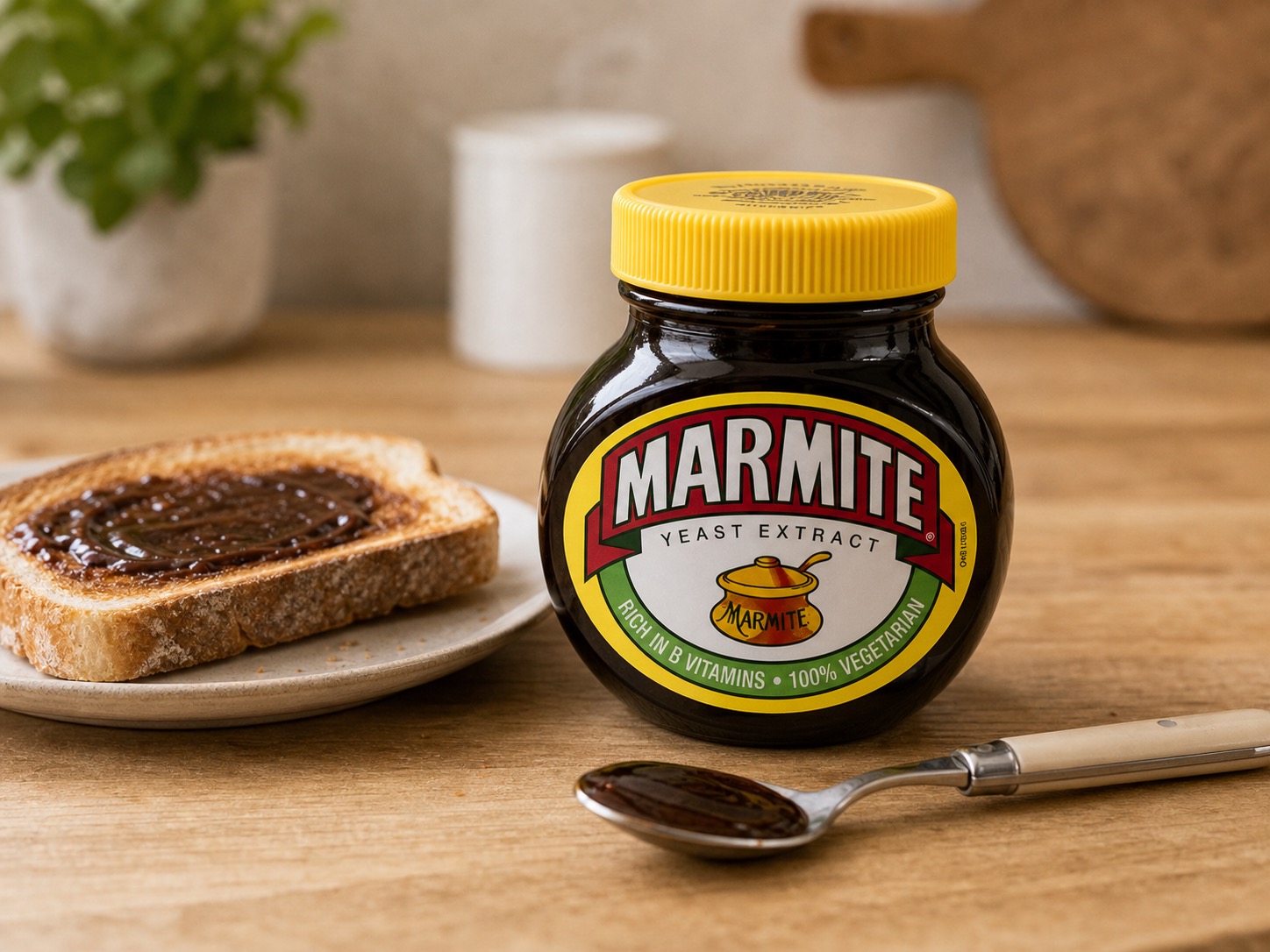
The Unilever-McCormick deal closes mid-2027. By then McCormick will own Marmite for the first time in the brand’s 125-year history (the 125th anniversary lands in the same calendar year as the deal close, an awkward coincidence).
Based on the five-brand evidence, the most likely Marmite trajectory looks like this:
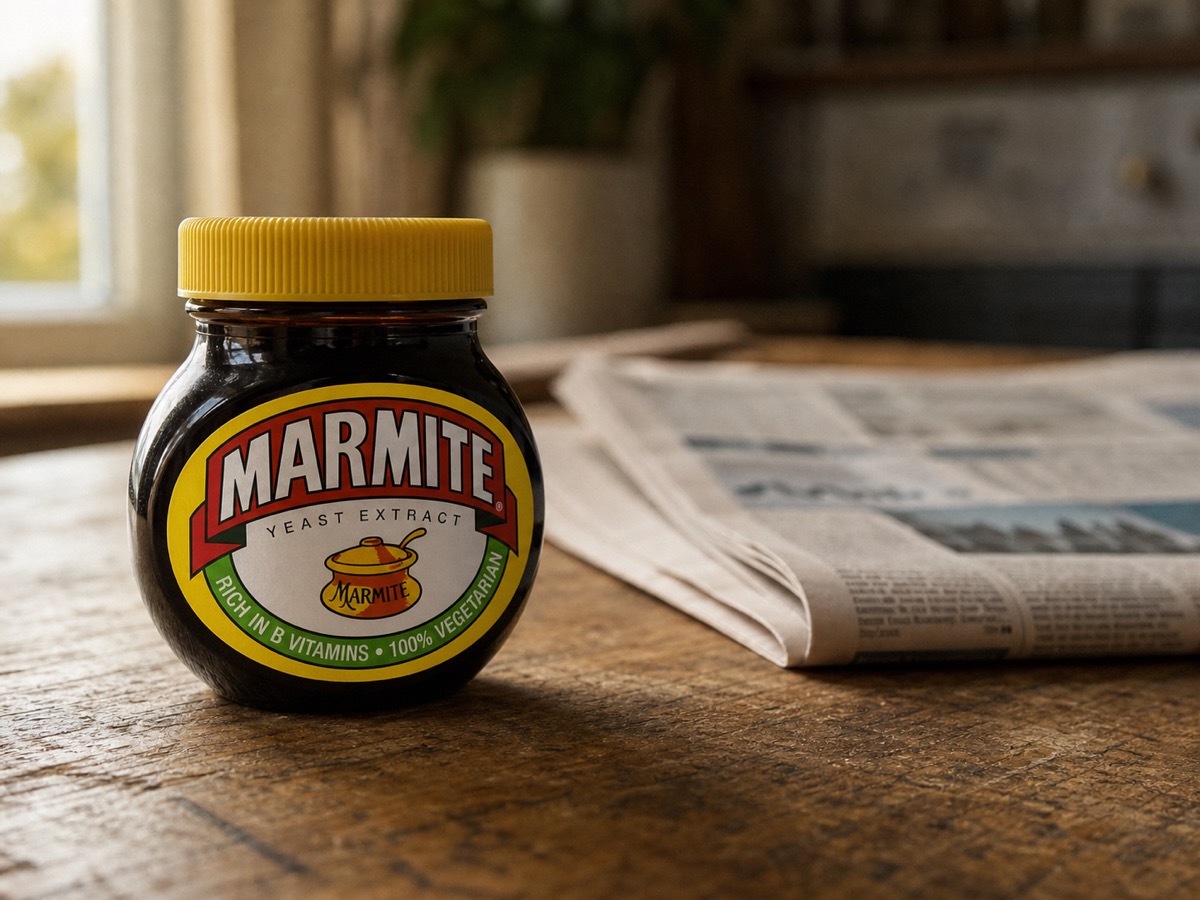
- The jar, label and recipe continue unchanged. Probability based on the precedent: very high.
- Marmite marketing leans hard into British heritage. Probability: high. McCormick will likely fund this rather than cut it.
- The small UK Marmite marketing and back-office team gets consolidated into a European hub (probably the Netherlands, given the new International HQ). Probability: moderate to high, 3 to 5 years out.
- One or two pay-round disputes at Burton over the next decade make local press. Probability: moderate.
- A pesticide recall or similar quality incident at some point. Probability: low-to-moderate, normal for any major food brand.
- A “manufacturing centralisation” announcement that moves Marmite production away from Burton. Probability: low for the first decade, rising thereafter. The Aeroplane Jelly fuse is 11 years, the Ducros production stays in France 26 years and counting, the Schwartz UK production stays 42 years and counting. Burton is more likely to look like Schwartz than like Aeroplane Jelly, because McCormick now owns the Burton site directly through the deal rather than acquiring it as a standalone Australian dessert business.
That last point is what most British coverage has missed. The Cadbury / Bournville comparison the press keeps reaching for is actually less analogous than the Schwartz, Ducros or D&A precedents. McCormick is not consolidating Marmite into an existing UK spread business, because it does not have one.
For a longer version of that argument, see our piece on why The British press has the Burton-Marmite story wrong. For the deep-dive on the closest single analogue, see our 42-year Schwartz case study.
Sources for this piece: McCormick & Company press releases on the Schwartz, Ducros, Kamis and D&A acquisitions; France Bleu reporting on the 2014 financial-services relocation to Poland and the 2018 Monteux/Carpentras strikes; Aeroplane Jelly company history; the Polish Chief Sanitary Inspectorate recall notice on Kamis cloves; Echo du Mardi on Ducros’s €85 million Vaucluse investment.