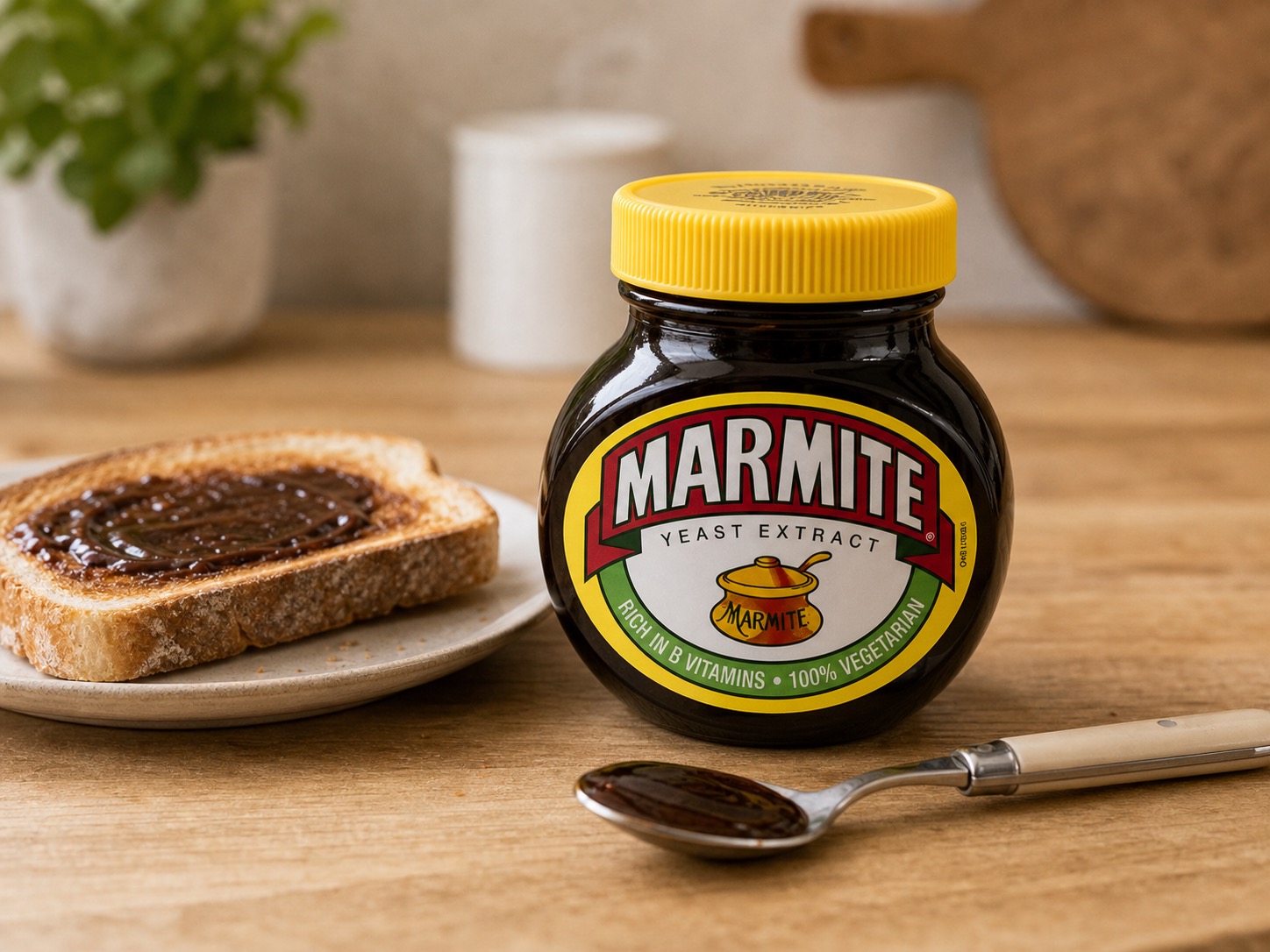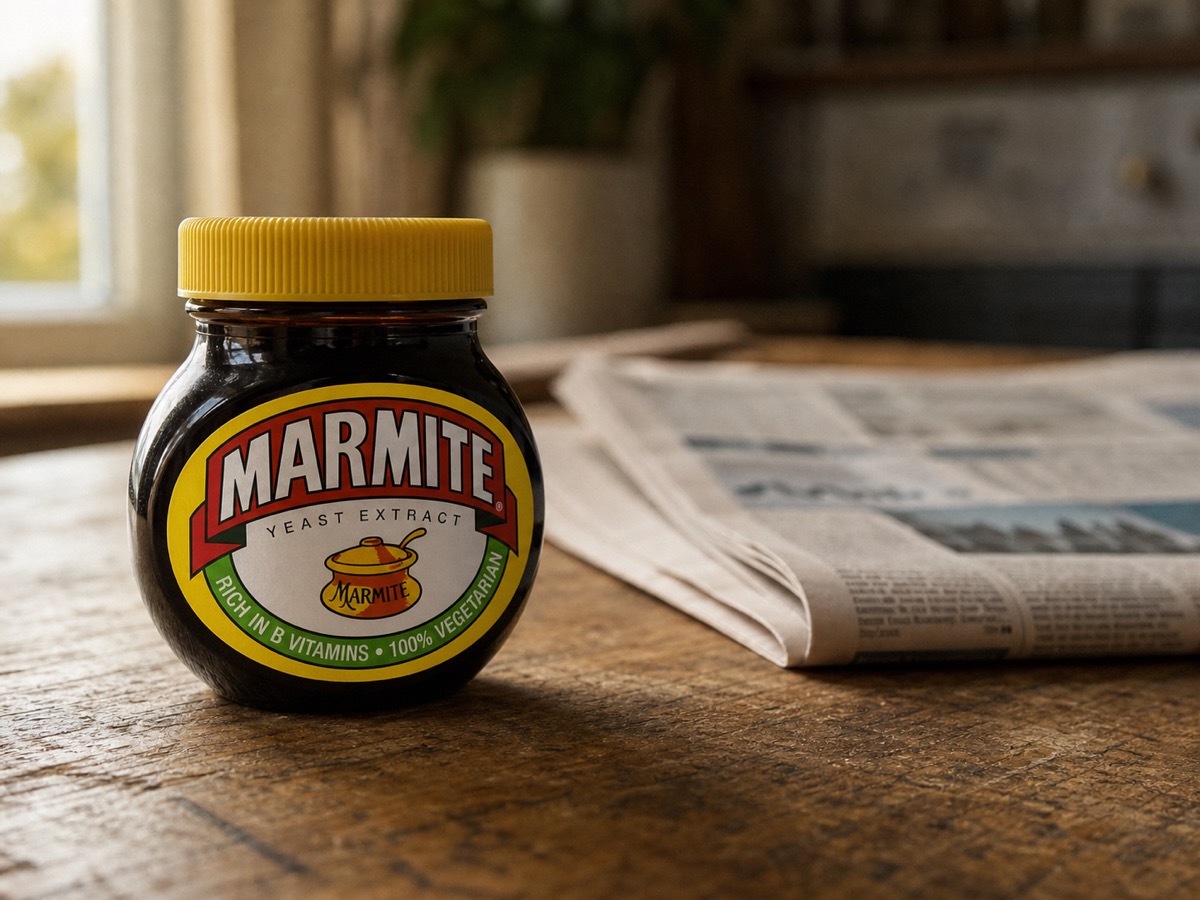

Everyone is talking about McCormick buying Marmite as if a British institution has never been put on the table before. It has. In February 2017, the jar came closer to changing hands than most people remember, and the whole thing was over in about the time it takes to get through a long weekend.
The buyer was Kraft Heinz, the American food giant then steered by the cost-cutting investment house 3G Capital. The target was not Marmite on its own. It was the whole of Unilever, Marmite’s then owner, in a single cash-and-shares offer worth about £115 billion, or $143 billion in US dollars, at $50 a share. That is not a bid for a spread. That is a bid for the entire British pantry, Marmite, Hellmann’s, Colman’s, PG Tips, Pot Noodle, and a great deal of soap besides.
The 55 hours
Unilever’s board read the offer and did not enjoy it. On 17 February the company rejected it flatly, saying there was “no merit, either financial or strategic”, which is about as cold as boardroom English gets. Two days later, on the Sunday, Kraft Heinz issued a joint statement saying it had “amicably” withdrawn. The word “amicably” is doing an enormous amount of lifting there. From first headline to retreat, the drama lasted somewhere around 55 hours.
In between, it had time to spook a government. Theresa May, then prime minister, asked officials to look at whether the deal needed scrutiny on the public-interest grounds, the same nervousness about foreign takeovers of British names that you could hear again when McCormick came calling. Unions worried out loud about UK jobs. The City worried about 3G’s reputation for stripping costs to the bone. And then, before any of it could turn into a proper national argument, the buyer simply walked away.
Why it fell apart
The polite version is a culture clash. Unilever had spent years talking about sustainability and long-term brand building. 3G’s model was the opposite: buy big, cut hard, repeat. The two did not fit, and once Unilever made clear it would fight, the cost of going hostile against a company that size, in a country whose government was already twitching, was not worth it to Kraft Heinz.
The deeper lesson is the one worth keeping. Unilever’s chief executive at the time, Paul Polman, treated the near-miss as a warning and spent the next stretch tightening the business so it could not be caught napping again. The irony writes itself. The defences built after 2017 are part of the same long story that ends, nine years later, with Unilever choosing to sell the food brands on its own terms to McCormick, rather than having them prised away by someone else.
Why it matters now
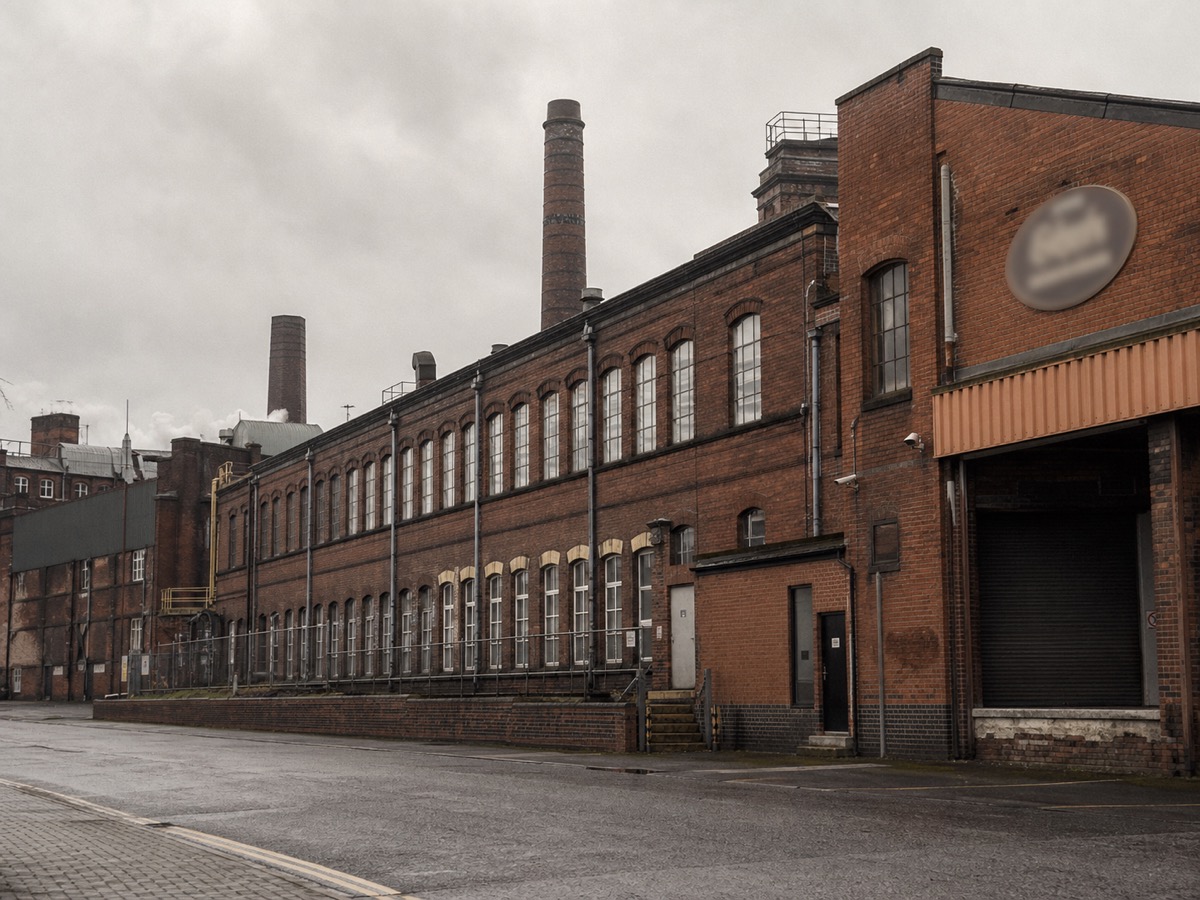
So when people say Marmite has never been at risk before, they are wrong by one near-takeover. 2017 was the rehearsal. The cast was different, the buyer was harder-nosed, and the whole thing collapsed before Burton-on-Trent had time to panic. But the question was the same one we are asking again now: who gets to own the things that feel, rightly or not, like ours.
As someone with a British accent and an American passport, I had mixed feelings then and I have them now. In 2017 the jar dodged the pond by 55 hours. In 2026 it is sailing across deliberately. The difference is who is holding the wheel.