

Since 31 March 2026, when McCormick & Company announced its agreement to combine with Unilever's foods business, the British press has been telling one version of the Marmite-McCormick story. The version goes roughly like this: The Americans have bought our Marmite.
Marmite Articles
Explore our collection of articles about Marmite, Britain's most divisive spread.
Showing articles tagged with: burton | View all articles

Five spice acquisitions, one pattern: what McCormick does with European heritage brands
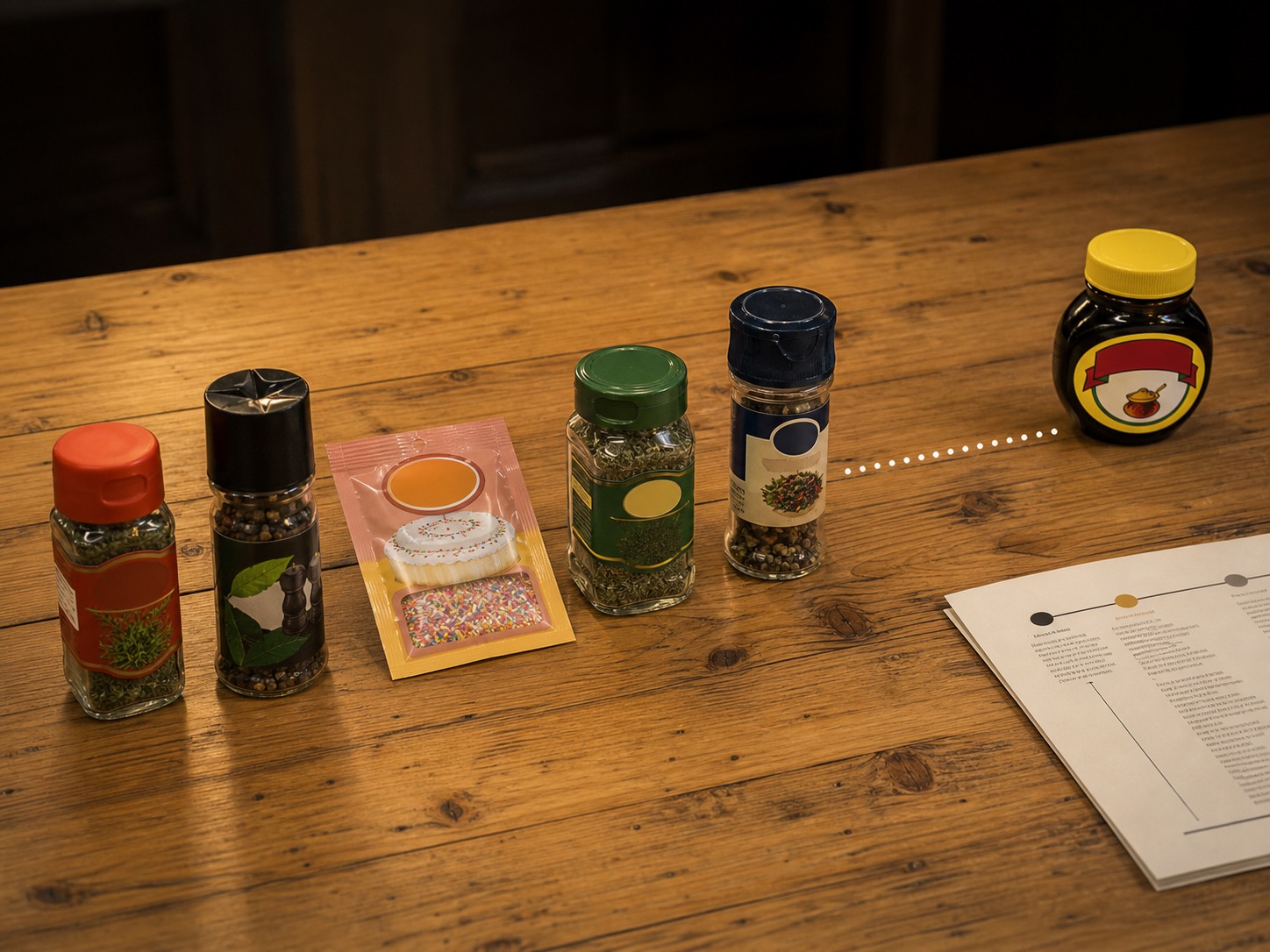
Between 1984 and 2015, McCormick acquired five major heritage food brands outside the United States. None of them was renamed. None of them had its recipe vandalised. Most of them are now bigger than they were on the day of acquisition.
How Marmite is actually made: the yeast that eats itself
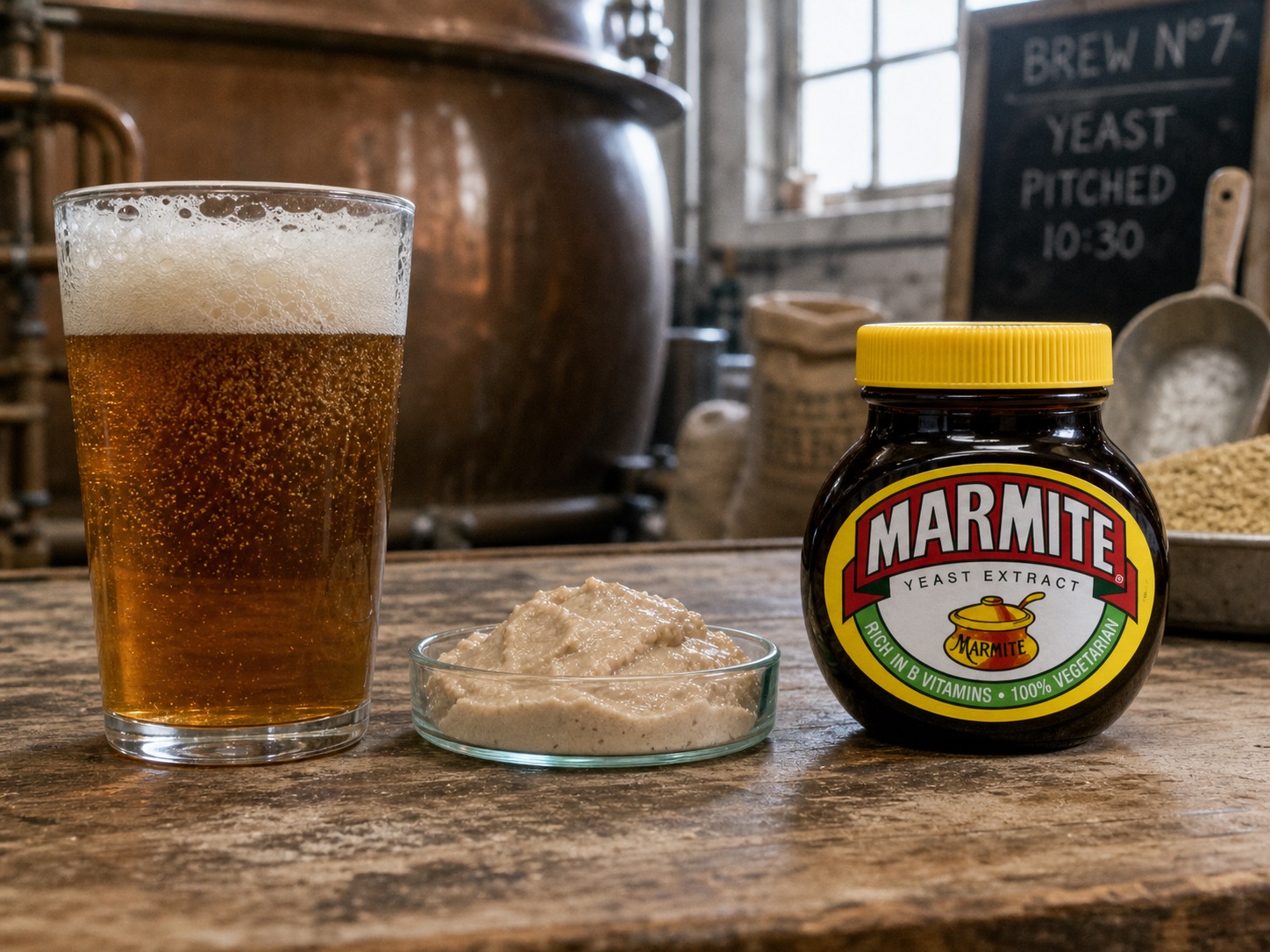
Marmite starts as the spent yeast left over from brewing beer. Salt makes the yeast cells digest themselves, the husks are sieved out, and what remains is a thick brown paste full of natural glutamates. The science of the jar, in plain English.
Why Marmite is made in Burton: how the spread became a Midlands accident
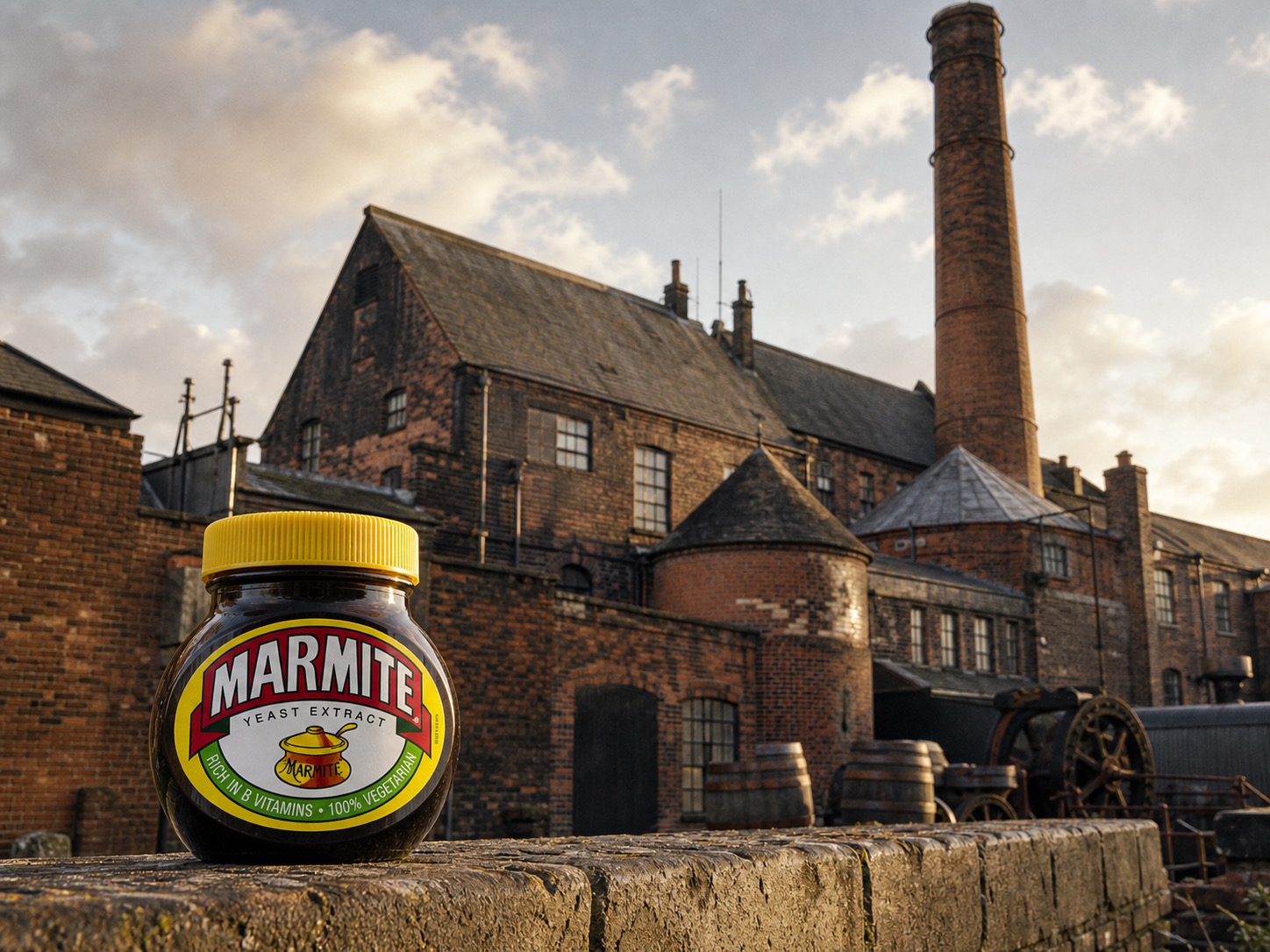
Marmite is made in Burton-on-Trent for one practical reason: it was the brewing capital of Britain, with roughly a quarter of the nation's beer and a mountain of spare yeast. The jar exists because of the pint, and it always has.
When Kraft Heinz tried to buy the whole pantry: the 55-hour Marmite scare of 2017
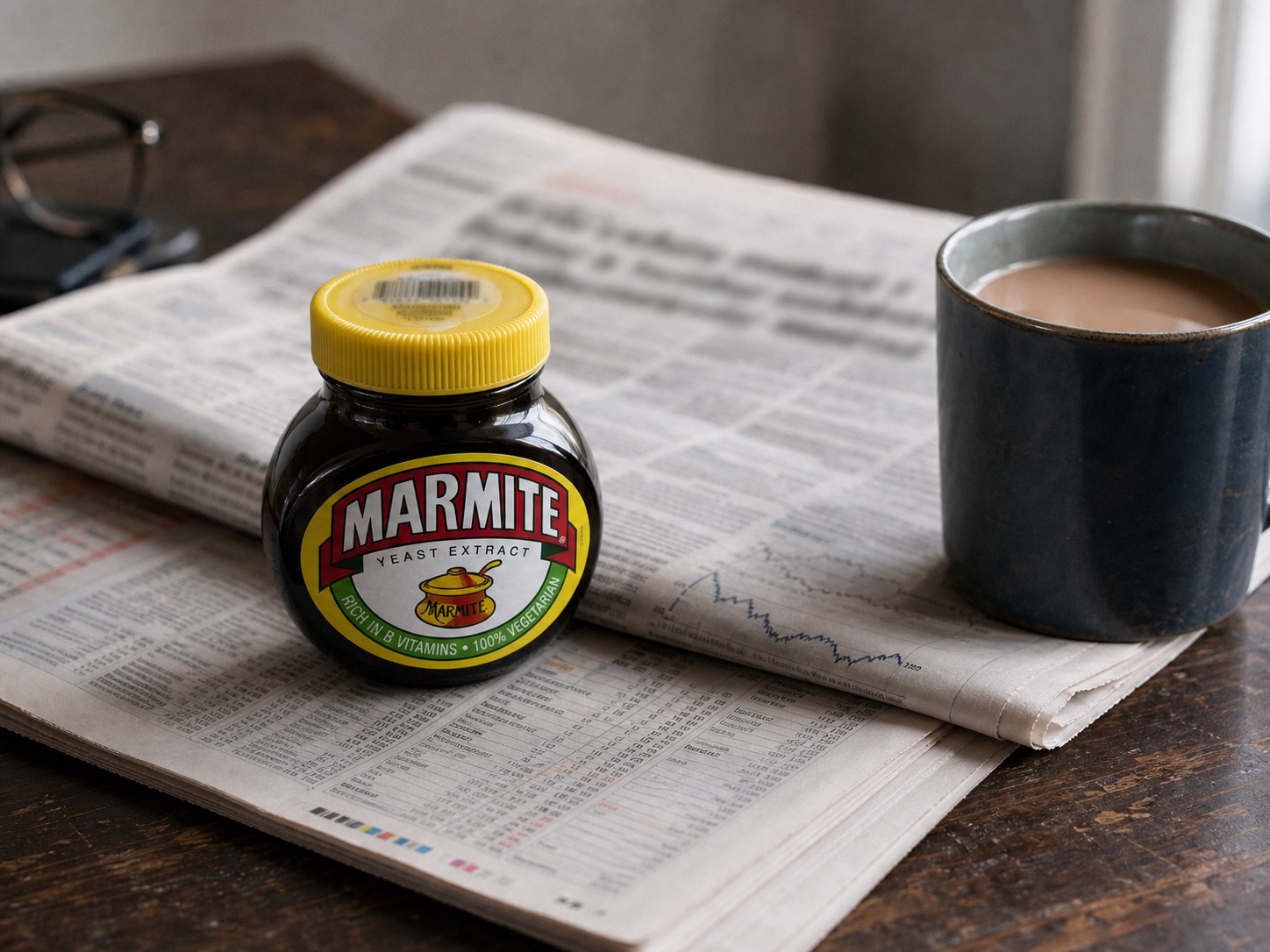
Nine years before McCormick, Marmite had a near-death experience. In February 2017 Kraft Heinz made a £115 billion grab for Unilever, the row lasted about 55 hours, and the government started sharpening pencils. Then it was over.
Page 1 of 1