

The story the British press has been telling
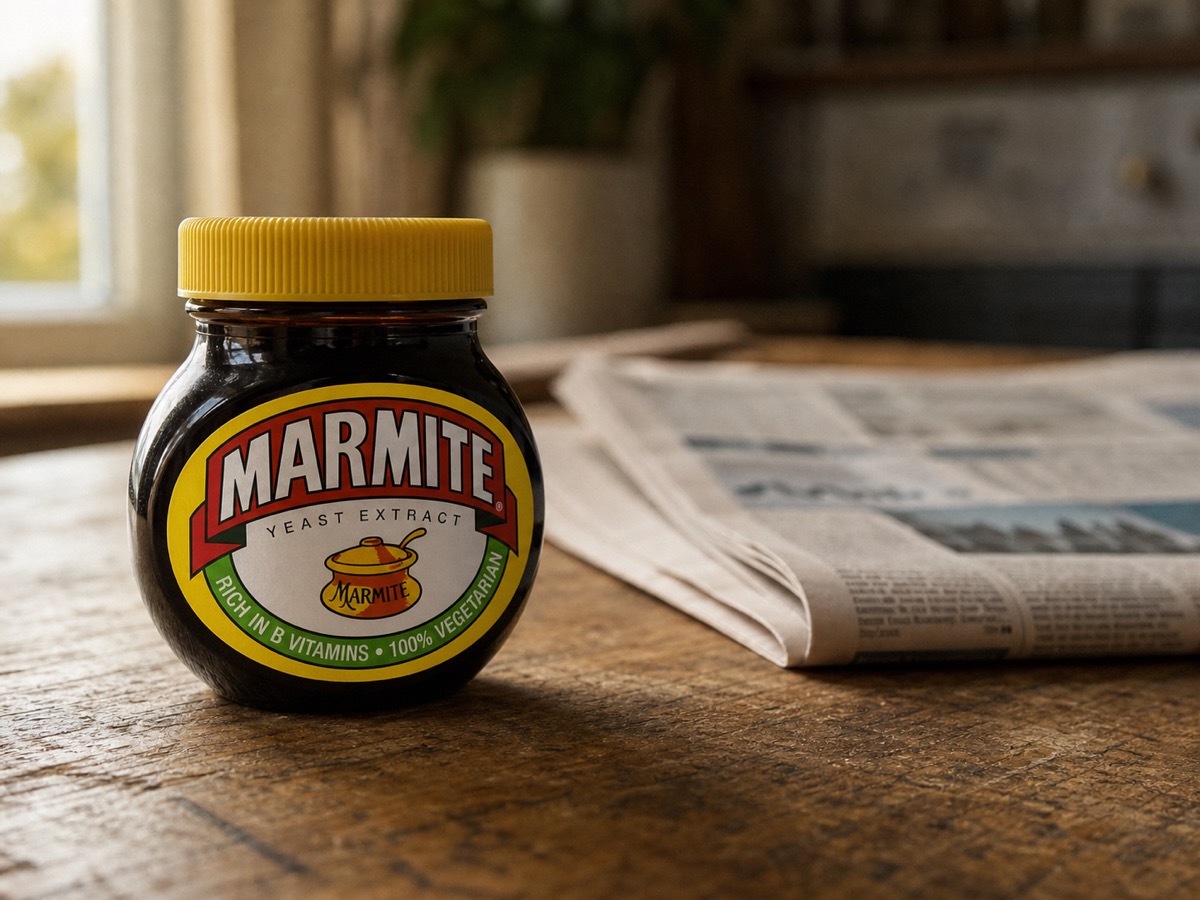
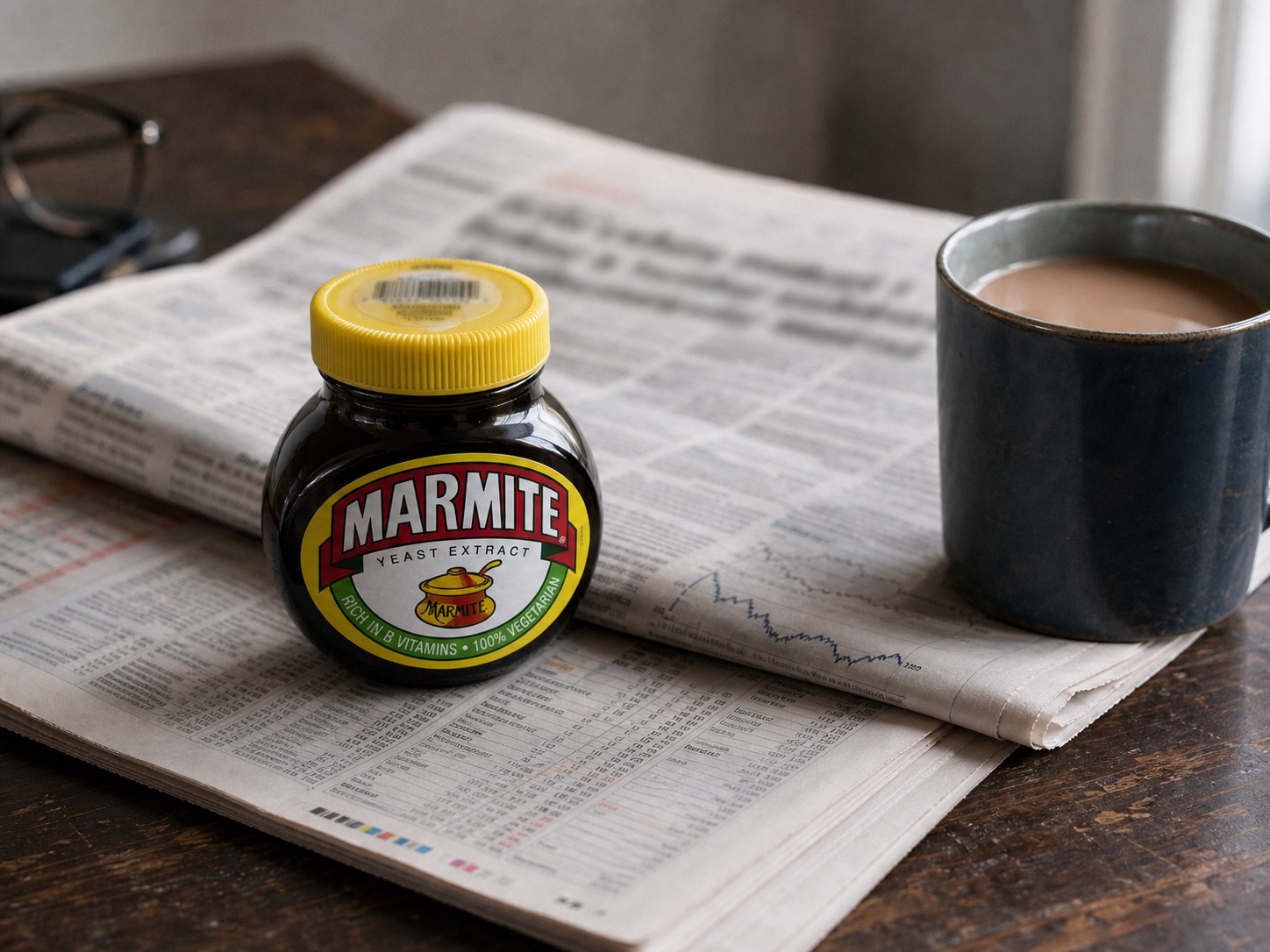
Since 31 March 2026, when McCormick & Company announced its agreement to combine with Unilever’s foods business, the British press has been telling one version of the Marmite-McCormick story. The version goes roughly like this:
The Americans have bought our Marmite. Remember what happened to Cadbury after Mondelez bought it. The Burton-on-Trent factory is at risk. We have lost another British industrial icon. National decline continues apace.
The Independent ran “Is Marmite Still British? £50bn Sale to US Giant McCormick Sparks Concern Over Recipe Changes and Price.” GB News ran “Iconic British staples Marmite, Bovril and Colman’s mustard sold to the Americans in £50billion deal.” Trade press like CityAM and BM Magazine led with broadly similar framing. The Baltimore Banner, charmingly, covered the British anxiety from the Maryland end.
The framing has been almost uniform: this is bad news, Burton is at risk, the Cadbury precedent says so.
The framing is wrong. Or at least, it is wrong in the specific ways that matter most.
This piece is a longer, more careful analysis of what is actually likely to happen to Marmite production in Burton-on-Trent over the next decade. It is not a prediction of certainty (no piece about the future can be). It is, however, an analysis grounded in the four most analogous precedents (Schwartz, Ducros, Kamis and Drogheria & Alimentari) rather than the single non-analogous precedent (Cadbury) that the British press has gravitated to by reflex.
Why the Cadbury precedent does not apply
There is no McCormick Italian Marmite factory. Burton is the only place McCormick can buy from.
The Cadbury / Mondelez comparison is the central piece of British press analysis of the Marmite deal. The argument goes: Mondelez bought Cadbury in 2010, then announced 250 job losses at the Bournville factory in 2015 as part of a £75 million “modernisation overhaul”. Therefore McCormick will do the same to Burton.
There are three problems with this comparison.
Problem one: Mondelez had an overlapping platform. Mondelez owned, at the time of the Cadbury acquisition, an enormous global chocolate platform with brands like Toblerone, Milka, Côte d’Or and Suchard. Cadbury was not a standalone acquisition; it was a consolidation into an existing global confectionery business with extensive overlapping production capacity. The economics of consolidating Cadbury production into existing Mondelez European facilities were simply different from the economics of running an isolated UK factory.
McCormick has no spread platform in the UK. McCormick does not own another yeast extract operation anywhere in the world. There is no McCormick European factory that Marmite production could be consolidated into. The only place to make Marmite is Burton, because the manufacturing process depends on a specific kind of spent brewers’ yeast that comes from the breweries Burton has been clustered around since the brand was founded in 1902.
Problem two: the cost-gap that drove Bournville was specific. When Mondelez announced the Bournville cuts in 2015, the explanation given was that manufacturing a Cadbury bar at Bournville cost approximately twice what it cost at Mondelez’s existing German chocolate factory. That cost gap was the trigger. The “modernisation” pretext was the means.
There is no equivalent cost gap for Marmite. Burton is not “expensive compared to McCormick’s Italian Marmite factory” because there is no McCormick Italian Marmite factory. Burton is the only place McCormick can buy from. The cost-gap argument simply does not apply.
Problem three: even at Bournville, the factory did not close. This is the bit the British press tends to underplay. Mondelez cut 250 jobs at Bournville. The factory remained open. The Bournville site is projected to operate for at least another 25 years from 2015, which means until 2040. Bournville did not become the British industrial-decline tragedy the headlines suggested in 2015. It became a smaller, more modernised, still-operating chocolate factory.
The Cadbury / Bournville comparison is therefore wrong in three layers: the structural economics are different, the cost gap does not apply, and the precedent itself is less catastrophic than the British press version of it remembers.
The precedents that actually apply
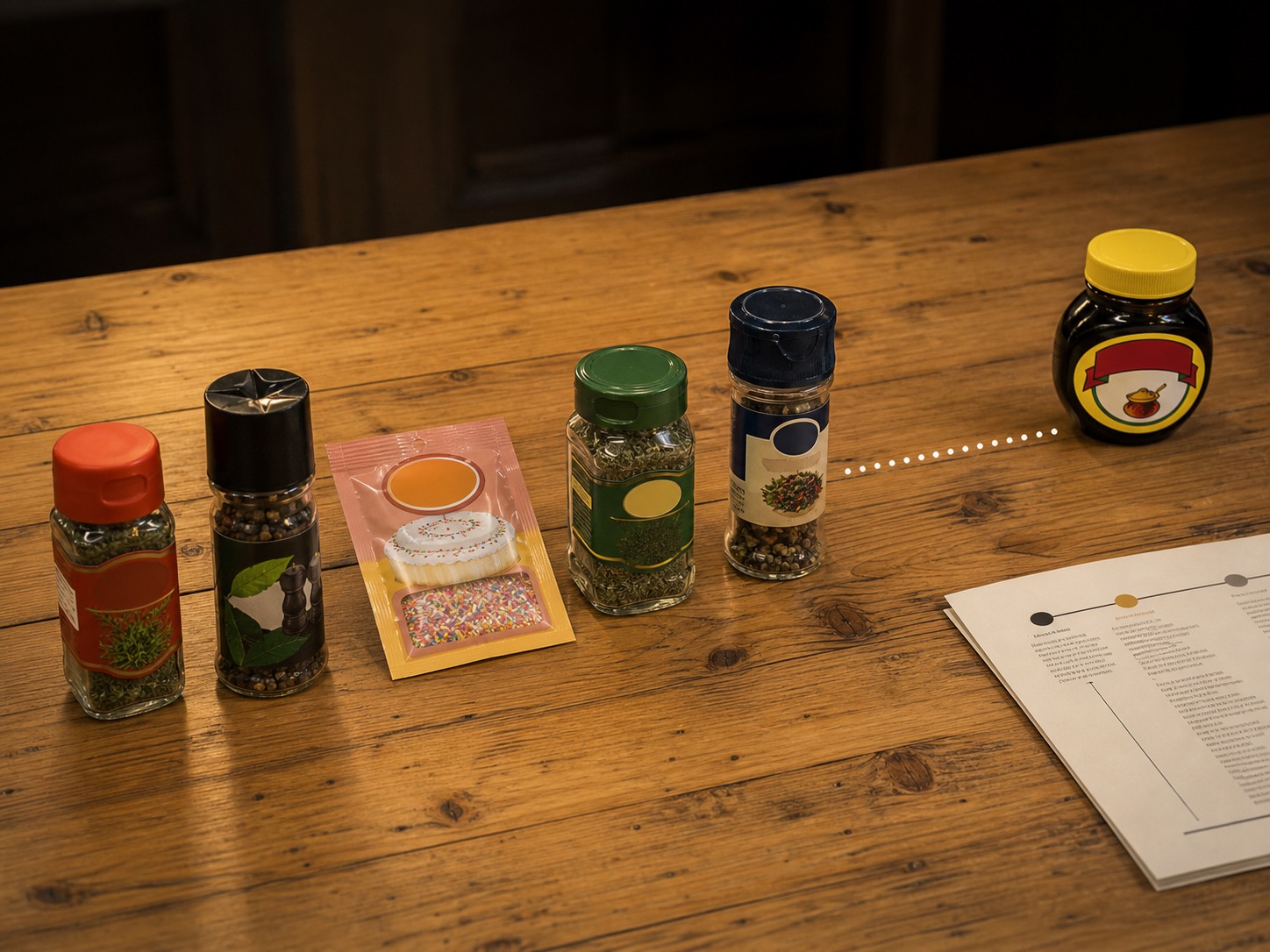
The four McCormick acquisitions that genuinely resemble the Marmite situation are:
| Brand | Country | Acquired | Years under McCormick | Production still in original country? | Factory closure? | Recipe change? |
|---|---|---|---|---|---|---|
| Schwartz | UK | 1984 | 42 | Yes, Haddenham, Bucks | No | No |
| Ducros / Vahiné | France | 2000 | 26 | Yes, Carpentras, Monteux | No | No |
| Kamis | Poland | 2011 | 15 | Yes, Wólka Kosowska | No | No |
| Drogheria & Alimentari | Italy | 2015 | 11 | Yes, Florence | No | No |
| Marmite | UK | 2027 (expected) | 0 | TBD, Burton | TBD | TBD |
Aeroplane Jelly, the Australian dessert brand acquired by McCormick in 1995, is the one exception in the post-1980 history of McCormick European-style acquisitions: production moved from Sydney to Victoria in 2006, eleven years after the deal. It is the Australian Bournville. We will come back to it.
The European pattern is essentially uniform across forty-two years: brand preserved, recipe preserved, factory in the heritage country preserved, marketing budget maintained or expanded, back-office admin functions consolidated to a regional hub (typically Poland for European admin since the Kamis acquisition). No catastrophic outcomes for the actual manufacturing in the heritage country.
What McCormick has done well
It is worth being concrete about the things McCormick has done genuinely well with its European heritage acquisitions, because these are the things Marmite consumers should expect (and demand).
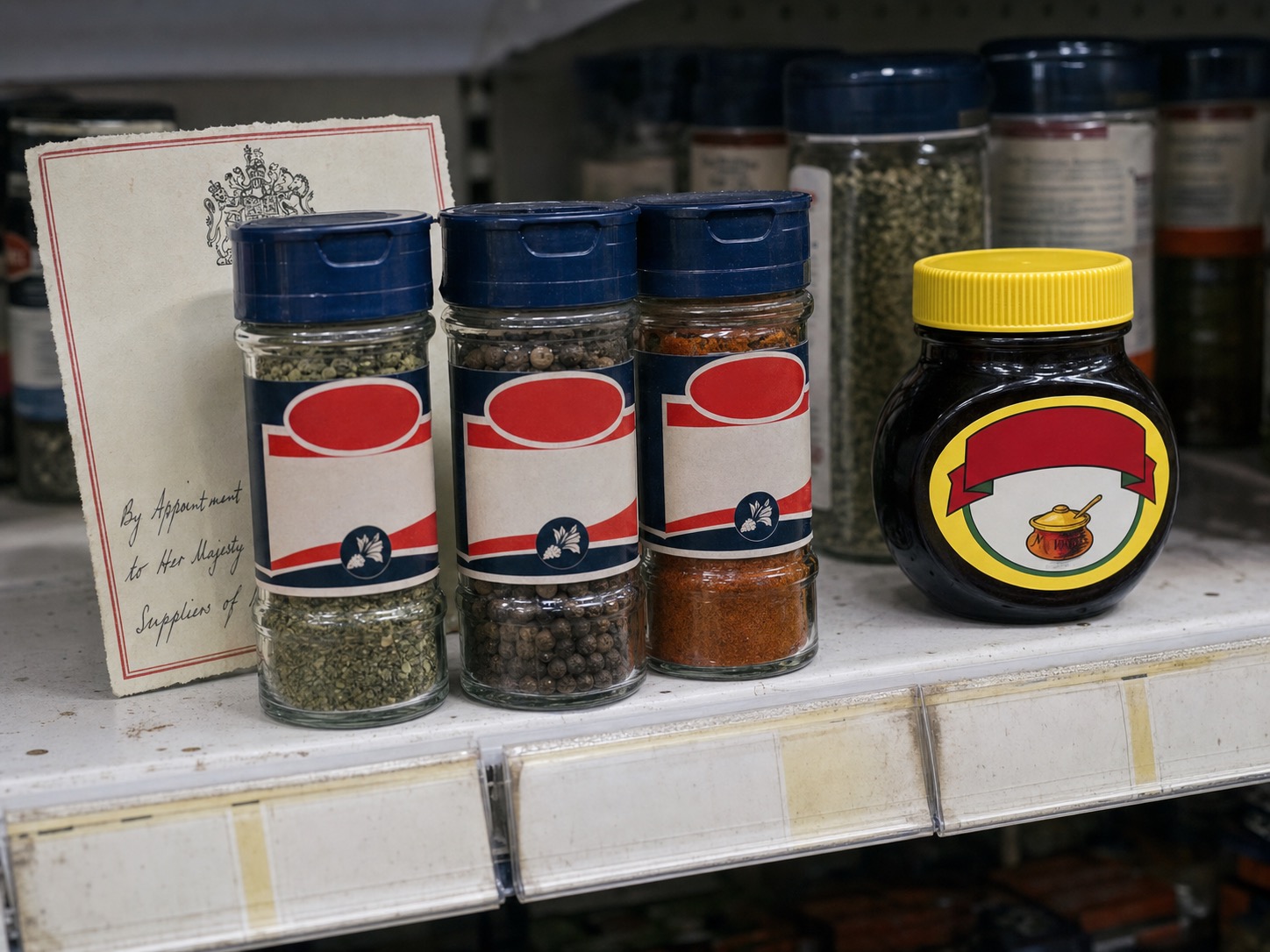
Schwartz holds a Royal Warrant as supplier of herbs, spices and seasonings to the Royal Household. This is the strongest possible signal of heritage-British credibility, and McCormick has actively maintained it rather than let it lapse.
Ducros received €85 million of investment by 2013 (the 13-year mark of McCormick ownership), in modernising the Vaucluse facilities at Carpentras and Monteux, building a new grinding tower, automating sorting and packaging, installing a quality laboratory, and constructing a new French HQ at Avignon-Agroparc. McCormick has not stripped Ducros for parts. It has invested in it.
Aeroplane Jelly received a heritage marketing revival under McCormick, including retro packaging revivals that celebrated the original 1927 designs and a successful campaign that added the brand’s iconic jingle to the National Film and Sound Archive’s “Sounds of Australia” registry in 2008. The brand’s national-treasure status was actively cultivated, not abandoned.
Kamis has grown to ~45 per cent share of the Polish spice and seasoning category and a roughly 30 per cent share of the Polish mustard category since the 2011 acquisition. McCormick used the Kamis platform to expand into Russia, Romania and Ukraine, and grew the brand rather than rationalising it.
These are not the actions of an owner trying to extract maximum value at the expense of the heritage brand. They are the actions of an owner that understands what it bought.
What McCormick has done less well
It is also worth being honest about the offshoring pattern.
The Ducros financial services department moved from Avignon to Poland in 2014, fourteen years after the acquisition. Around 28 employees in Avignon were made redundant. The Polish operation absorbed the back-office work. The Avignon employees struck for two days and obtained slightly improved severance terms.
A further 20 positions were relocated to Poland in 2015.
The November 2018 strike at Monteux and Carpentras over a 0.9 per cent annual pay rise saw 80 per cent of workers walk out for two days, before settling on a 60-euro monthly raise (effectively 4 per cent for lower-paid staff).
Quality is generally well-maintained, but not perfect. In 2023, the Polish Chief Sanitary Inspectorate recalled two batches of Kamis cloves after tests detected levels of chlorpyrifos (a pesticide banned in the EU) above legal limits. This is the kind of incident that happens at all major spice companies, not a McCormick-specific failing, but worth noting.
The pattern, then, is: production and brand preserved; admin and back-office offshored quietly; periodic worker pay disputes resolved with modest gains; occasional supply-chain quality incident handled responsibly.
What this means for Burton-on-Trent
The base case for Marmite production at Burton-on-Trent over the next decade is, on the European precedent evidence, considerably better than the British press has been suggesting.
| Aspect | What the British press has implied | What the precedent base actually suggests |
|---|---|---|
| Recipe | At risk of “Americanisation” | Almost certainly preserved (Schwartz: 42 years, Ducros: 26 years, no changes) |
| Marmite jar and label | Could be rebranded | Almost certainly preserved (McCormick has never rebranded a heritage acquisition) |
| Burton factory | At immediate risk | Likely safe for the next decade and probably the next two |
| 240 manufacturing jobs at Burton | At immediate risk | Likely stable, with some attrition through investment-led automation |
| UK marketing and back-office team | Probably stays | Genuinely at risk of consolidation to European hub by year 5-7 |
| Pay disputes | Not flagged in coverage | Almost certainly will happen, French-style |
| Royal Warrant possibility | Not flagged in coverage | Plausible new opportunity (see Schwartz precedent) |
This is a materially different picture from the one the British press has been painting. It is not a “Burton is doomed” picture. It is closer to a “Burton is fine, the UK marketing team has some risk” picture.
What McCormick should actually do (an open letter)
It is not a "Burton is doomed" picture. It is closer to a "Burton is fine, the UK marketing team has some risk" picture.
There is an opportunity here for McCormick that the company would be foolish to miss. The British anxiety about the deal is real, but it is also a marketing gift. A handful of clear early signals would convert the Burton anxiety into Marmite goodwill more cheaply than any advertising campaign McCormick could buy.
A short open list of suggestions for the McCormick integration team:
1. Preserve the jar, label and recipe explicitly and publicly. Issue an early public commitment, ideally in time for the 125th anniversary in 2027. The Schwartz precedent shows McCormick is good at this; the announcement should not be left implicit. Make it explicit.
2. Pursue a Royal Warrant for Marmite. Schwartz holds one. Marmite is more obviously a national-treasure product than Schwartz. The 125th anniversary in 2027 is a natural moment to apply. A Royal Warrant for Marmite would be both excellent marketing and a strong signal of McCormick’s seriousness about UK heritage.
3. Commit publicly to Burton-on-Trent manufacturing for the long term. A ten-year commitment, signed by the McCormick CEO Brendan Foley personally, would be worth more than any number of “long-term manufacturing agreement” press releases. Specific, dated, public.
4. Invest in the Burton facility. The Ducros precedent (€85 million over 13 years) is the right model. A meaningful modernisation programme at Burton, announced early, would buy goodwill out of all proportion to its cost. Burton has not seen serious capital investment in over a decade.
5. Resist the temptation to offshore the small UK Marmite marketing team. It is a small line item in McCormick’s global cost base. Keeping it in the UK preserves the cultural fluency that makes the brand work. The Schwartz operation has a UK marketing team. So should Marmite.
6. Keep the “Love it or hate it” line. It is one of the most successful advertising taglines in British history. Whatever Bartle Bogle Hegarty’s contract status, the line should continue. Do not let an integration consultant suggest a refresh.
7. Lean into the centenary-plus-25. 2027 is the perfect moment for a serious heritage marketing campaign: 125 years of Marmite, a new American owner with a 137-year history of its own. The two anniversaries together can be framed as a meeting of two heritage food companies rather than as an acquisition of one by the other. McCormick’s marketing teams are good at this. They should be allowed to do it.
8. Be honest about what is being offshored. If admin functions are moving to the Netherlands or to Poland, say so. The Ducros offshoring caused two days of strikes partly because it was managed quietly. Transparency about back-office consolidation will earn more goodwill than the consolidation will cost.
If McCormick does most or all of the above, the Marmite-McCormick relationship has every prospect of being remembered as the Schwartz precedent rather than the Aeroplane Jelly precedent. Burton will be fine. The brand will be fine. The British press will move on to the next national-decline story within six months.
A note about uncertainty
This piece is an analysis of base-rate probabilities based on precedent. It is not a prediction of certainty. McCormick is a different company in 2026 from the one that bought Schwartz in 1984. The Unilever Foods deal is structurally enormous (€39 billion of Unilever Foods revenue is in the process of being spun out). The integration timeline runs to mid-2027 and the consolidation work runs well into the 2030s. A lot can change.
What this piece is arguing is the more modest version: the British press has been reaching reflexively for the Cadbury comparison and is overweighting the wrong precedent. The McCormick European track record is genuinely good, the structural economics of Marmite-in-Burton are unusually defensible (no overlapping production capacity, raw-material supply chain locked to the Burton breweries), and the most likely outcome for the brand and the factory is one we should be cautiously optimistic about rather than reflexively anxious about.
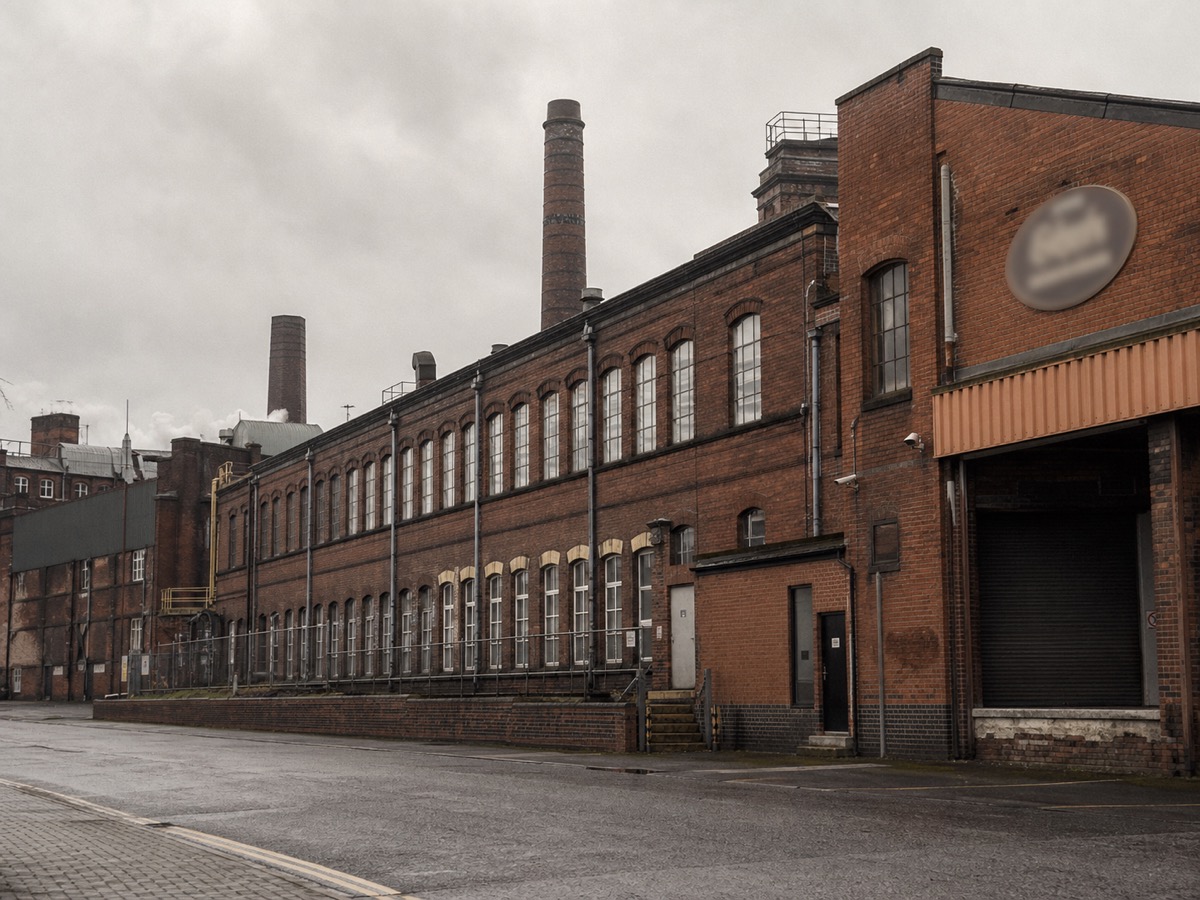
The Burton factory has been making Marmite continuously since 1902. The most likely outcome of the McCormick deal, by some distance, is that it carries on doing so.
Final word
Brand preserved, factory operating, recipe untouched, Royal Warrant on the wall.
If this piece is wrong, it will be wrong because McCormick chose to deviate from a forty-two-year pattern of preserving European heritage acquisitions. That is possible. It is not the most likely outcome.
If this piece is right, the McCormick-Marmite relationship will, ten years from now, look much like the McCormick-Schwartz relationship looks today: brand preserved, factory operating, recipe untouched, Royal Warrant on the wall, advertising still slightly cheekier than the average heritage spice brand allows itself to be, and a marketing team somewhere quietly relieved that the worst fears of 2026 turned out to be overstated.
That is the bet this piece is making.
Sources for this analysis: McCormick & Company press release of 31 March 2026 announcing the Unilever Foods combination; UK press coverage of the deal (The Independent, GB News, BM Magazine, CityAM, Baltimore Banner); Royal Warrant Holders Association entry for McCormick (UK) Ltd; Echo du Mardi, France Bleu and Le Monde coverage of the Ducros-McCormick history including the 2013 €85 million modernisation programme, the 2014 financial-services relocation to Poland and the 2018 Monteux/Carpentras strikes; Polish Chief Sanitary Inspectorate notice on the 2023 Kamis cloves recall; Aeroplane Jelly company history; Wikipedia entries for Schwartz, Kamis, Drogheria & Alimentari, Aeroplane Jelly; Mondelez SEC filings and press coverage of the 2015 Cadbury Bournville restructuring (Confectionery News, Food Manufacture, Chartered Management Institute).