
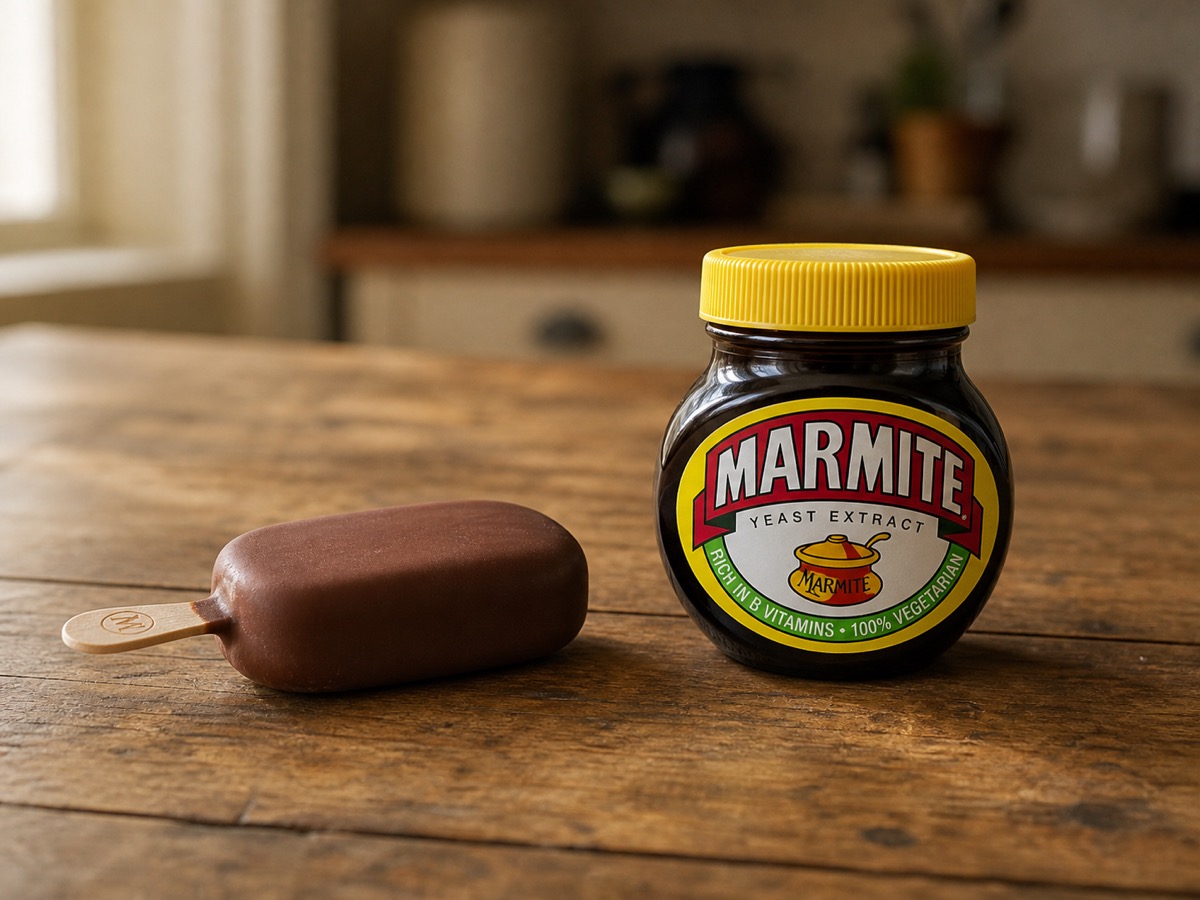
A Magnum-shaped warning shot
Today, with little fanfare and a lot of bankers, The Magnum Ice Cream Company started trading as an independent business on the Amsterdam, London, and New York exchanges. Ticker symbol: MICC. The new company houses Magnum, Wall’s, Cornetto, Ben and Jerry’s, and the rest of what used to be Unilever’s ice cream arm. They are, formally, no longer Unilever.
This is interesting in its own right if you care about ice cream M&A, which most of us do not. It is much more interesting if you are watching what Unilever is doing to its food brands. Because this was the rehearsal.
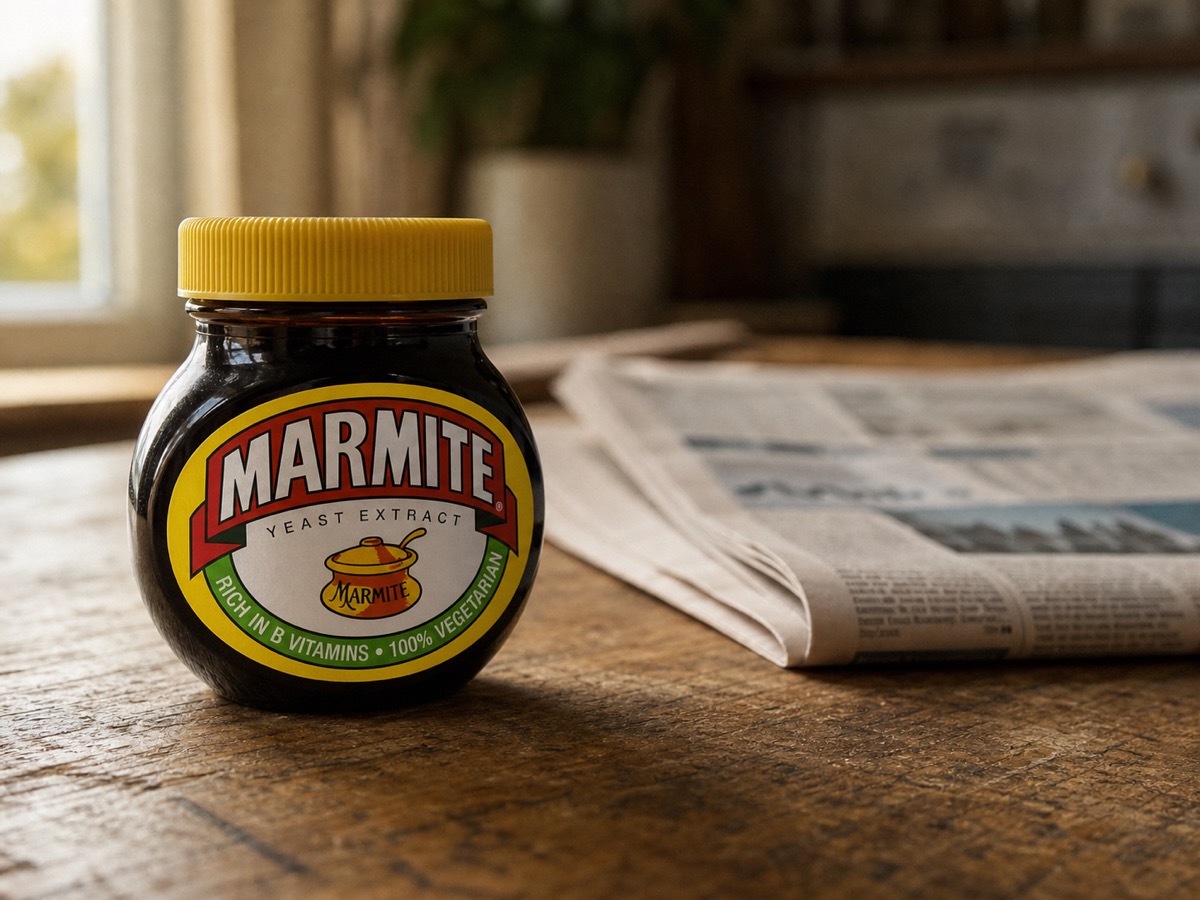
Why this is a Marmite story
Fernando Fernandez took over as Unilever’s chief executive earlier this year. His big idea is to reshape Unilever as a beauty and personal care business. The ice cream brands were the first surgical removal because they were the easiest to lift out cleanly: they had separate manufacturing, separate distribution channels (frozen rather than ambient), and a balance sheet that could stand on its own.
The food brands, including Marmite, are next. They are messier to remove because the supply chain and the route to market overlap more with the household care brands. But the strategic intent is the same. Unilever wants out of food.
If you want a date for when the McCormick deal, or whatever the food spin-off looks like, gets announced, today is a useful anchor. The City is now confident that Unilever can execute a clean separation. The food piece will follow, probably in the first half of 2026.
What this tells us about the food deal that is coming
Three things, in order of importance.
First, Unilever’s bankers are now experienced. They have just run a multi-billion-dollar separation across three stock exchanges. Whoever advised them, and whoever ends up on the food side, will move faster on the next one.
Second, the markets did not punish Unilever for the ice cream split. The stock moved within a normal range on the announcement and the listing day. That is a green light, in the corporate finance sense, for the second, bigger move.
Third, the precedent now exists for “we spin off a category we no longer believe in, into its own listed vehicle, and let the food category find its own valuation”. The Magnum Ice Cream Company could equally be a template for The Unilever Foods Company, if no acquirer comes in with the right price. We should not assume the food brands will be sold to a single buyer. A spin-off is now in the realistic option set.
What this does not mean
It does not mean Marmite is being separated immediately. Today’s listing is purely the ice cream brands. The food sale process Reuters reported last month is still running, and will run for several months at minimum. Marmite is in the queue.
It also does not mean Unilever has stopped being interested in Marmite’s revenue. Until the moment a buyer or spin-off completes, Unilever still runs the brand, still collects the cash from it, and still has every reason to keep it humming. The jar on the shelf today is the same jar that was on the shelf yesterday.
The interesting question is not what happens in the next ninety days. It is what shape the eventual food separation takes. Sale to a single buyer? Sale to two or three category buyers? Spin-off into a listed vehicle? Some hybrid of all three?
After today, all of those options are on the table, and we should expect Unilever’s bankers to push for whichever produces the highest combined value. The interests of the British shopper who has eaten Marmite for forty years are not, formally, part of that calculation.
What to watch in early 2026
Three signals. The first is Unilever’s full-year results in late January, which will include language about food disposals and a likely timetable. The second is any change in the language coming out of Burton-on-Trent management about staffing and investment. The third, and least obvious, is whether McCormick or any other large flavours company starts hiring M&A advisers in Europe.
You will not be told the deal is coming. You will see the supporting cast move first.
Update, 31 March 2026: the food deal landed
The food deal arrived on 31 March 2026, three months after this piece was published, and it did not take the spin-off shape sketched above. Unilever combined all of Unilever Foods with McCormick in a £33.5 billion Reverse Morris Trust transaction. The combined company keeps the McCormick name, the NYSE listing, the Hunt Valley global headquarters, and a second international headquarters in the Netherlands. Brendan Foley stays on as chief executive. Marcos Gabriel stays as chief financial officer. Unilever shareholders end up with 55.1 per cent of the combined equity and Unilever corporate retains a further 9.9 per cent; McCormick’s existing shareholders get the remaining 35 per cent. On top of the equity, Unilever receives a one-time $15.7 billion cash payment.
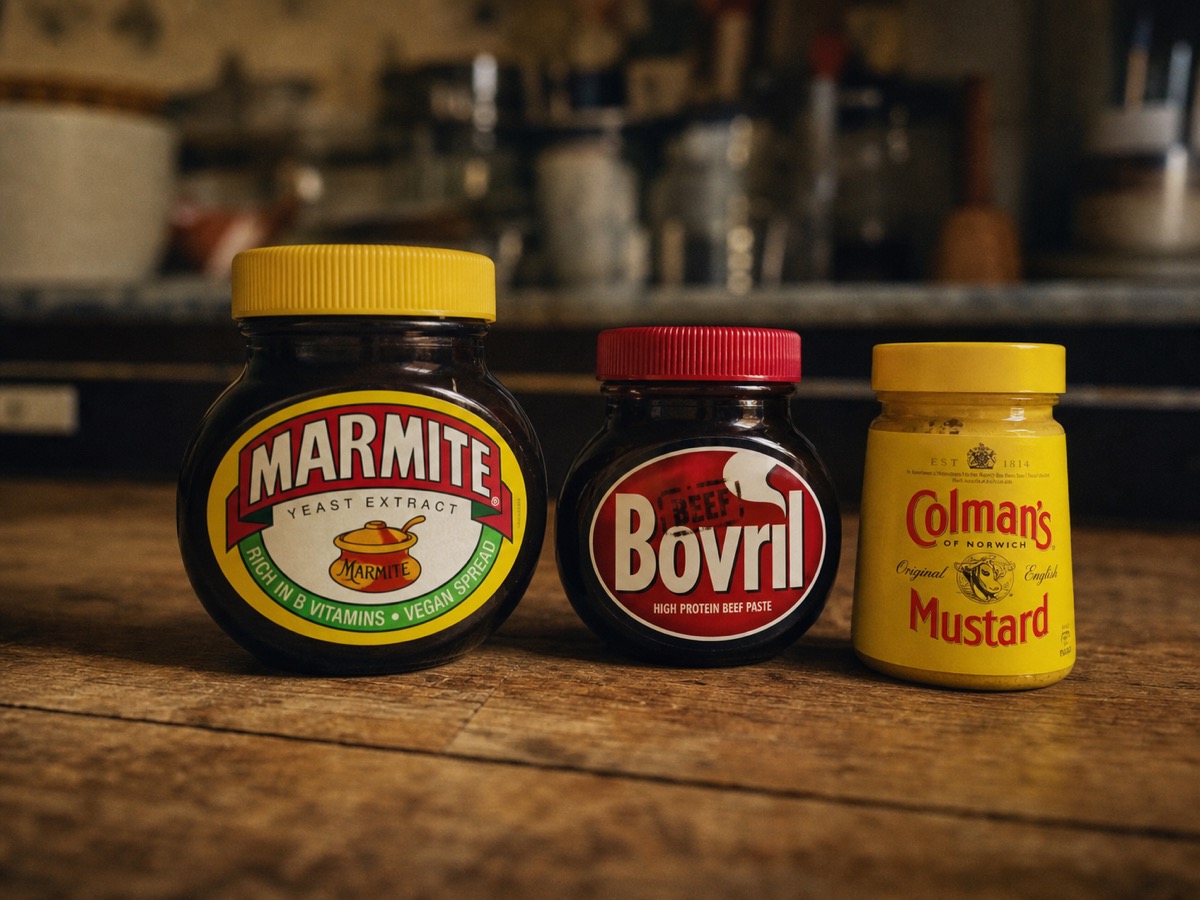
For Marmite specifically, the press release explicitly names only two Unilever Foods brands, Knorr and Hellmann’s, which account for around 70 per cent of Unilever Foods sales. Marmite is bundled with Bovril, Colman’s, Pot Noodle and the other British heritage brands under “a wide array of local brands across EMEA, Latin America and APAC”. The Indian, Nepalese and Portuguese foods businesses, the Lifestyle & Nutrition arm (Horlicks), Buavita in Indonesia and the Lipton Ready-to-Drink joint venture are excluded.
So the Magnum spin-off was indeed the rehearsal, but the main event chose a different structure: not another listed spin-off, but a tax-efficient combination with a US strategic acquirer. The City got the timing right and the shape wrong.