
So this is happening
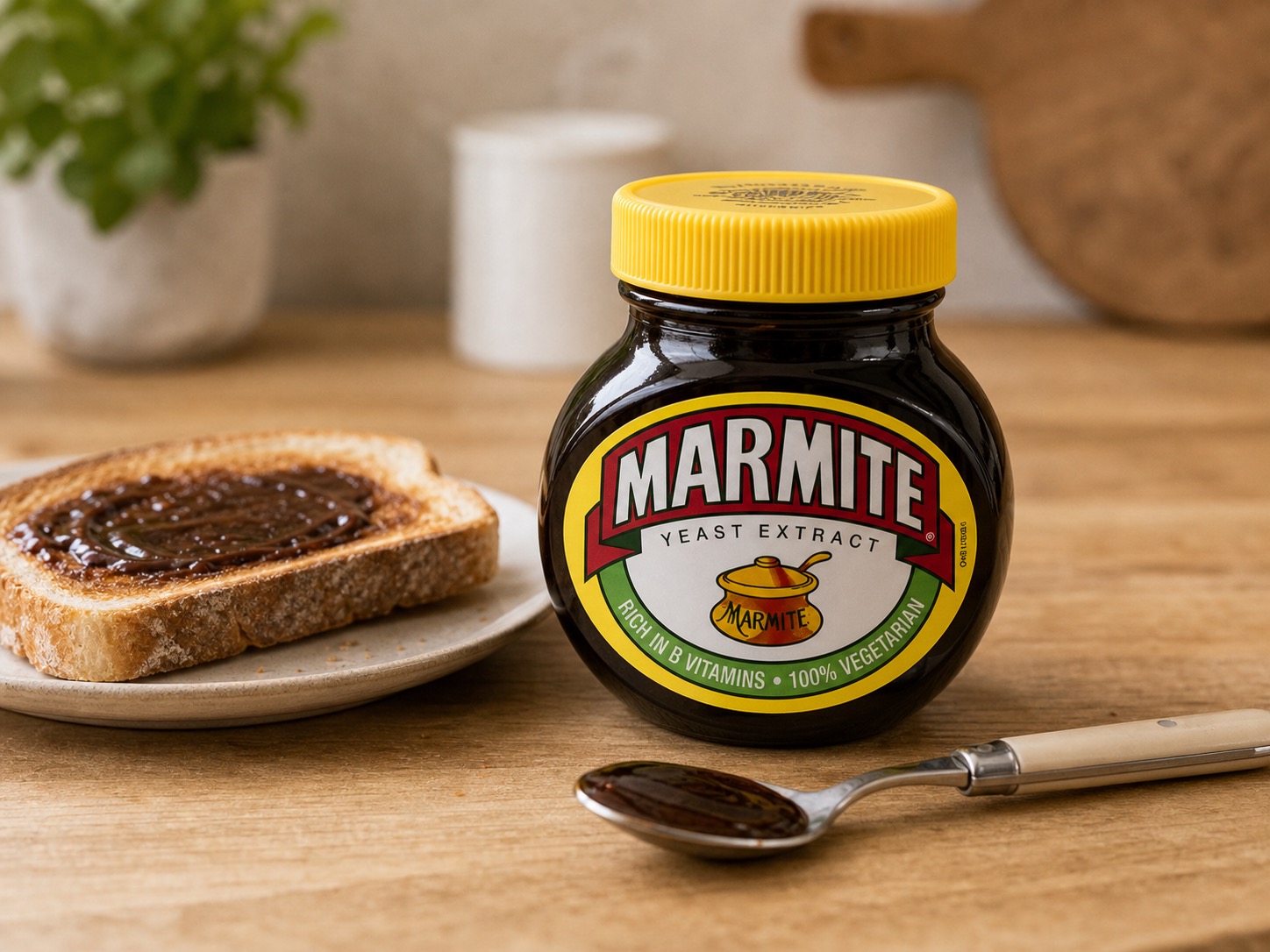
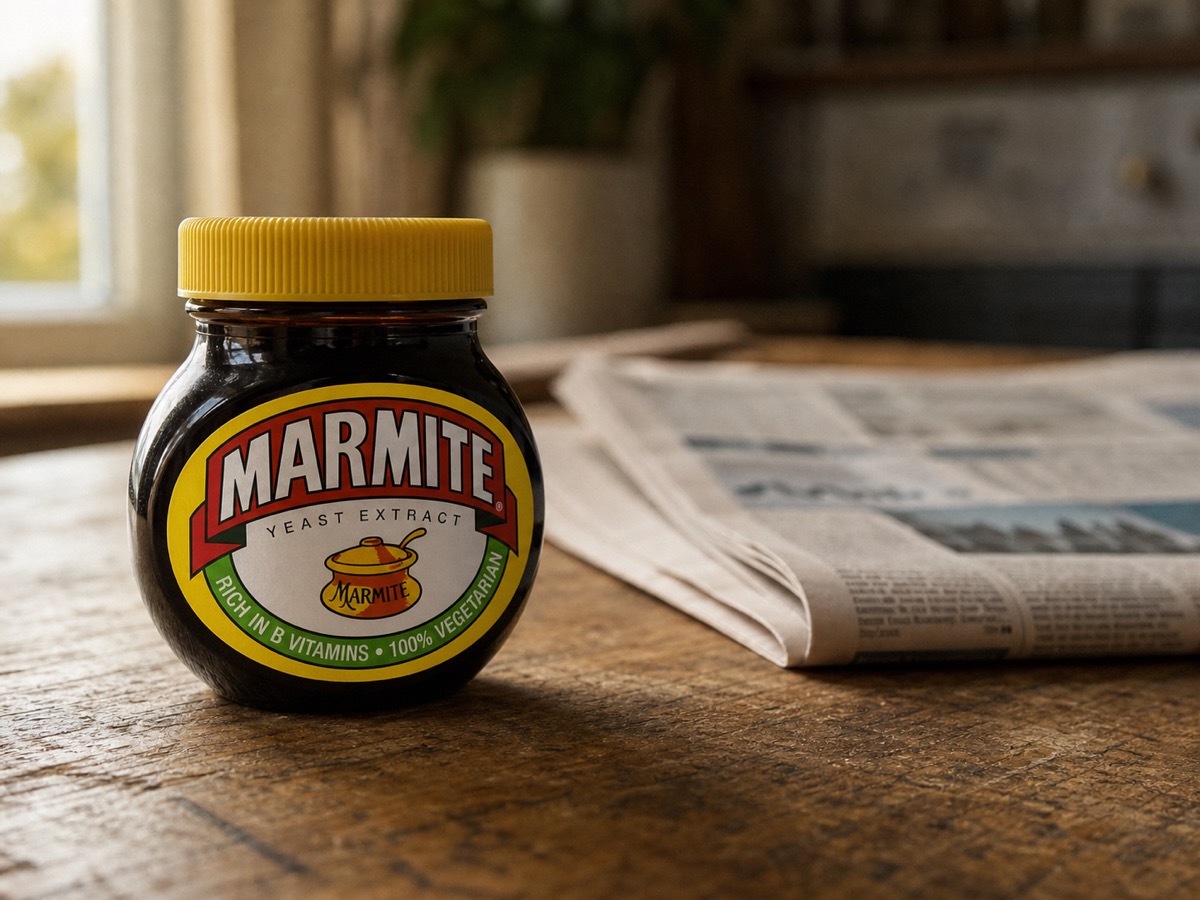
Reuters spent most of last week reporting, with increasing confidence, that Unilever has opened a formal sale process for a cluster of brands it is now calling, internally and unromantically, “Historic British Brands”. The cluster generates about £200 million a year in revenue. At its centre, with the most cultural weight by some distance, is Marmite.
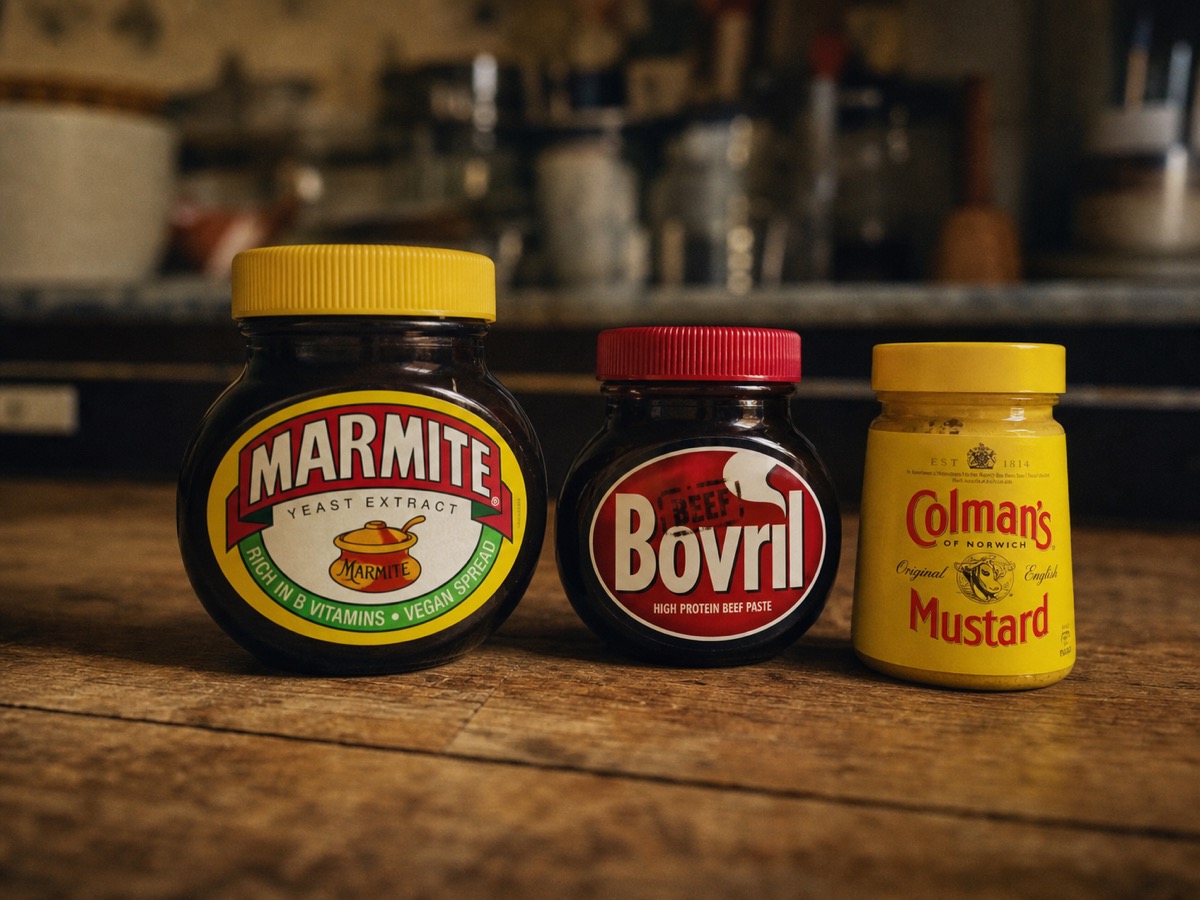
Bovril and Colman’s are in the bundle too. So is, depending on which version of the story you read, Pot Noodle. The “historic” framing is the part that has people a bit nervous. It is the corporate shorthand for “things we no longer want to be in the business of making”, which is not, when you think about it, the cosy heritage statement Unilever’s PR team probably hoped it sounded like.
Why now
Unilever’s chief executive Fernando Fernandez (still no, not making that name up) took over in March and has been busy with a strategy he calls the Growth Action Plan. The short version is that Unilever wants to be a beauty and personal care company. The longer version takes about thirty slides and the same word repeated a lot: focus, focus, focus.
Under the plan, Unilever has identified thirty “Power Brands” that get the marketing money, the executive attention, and the future. Dove, Vaseline, Sure, and most of the personal care portfolio are on the list. Marmite, Bovril, Colman’s, and most of the regional food portfolio are not. The sale process is the logical end of that exclusion.
This is a quiet weekday news story that will turn loud the moment a buyer is named. The City pages have noticed. The food pages have mostly not. The Burton-on-Trent local press is, predictably, ahead of both.
A brief history of who has owned Marmite
The Marmite Food Extract Company was founded in 1902. In 1990, the brand was acquired by Best Foods. Best Foods was acquired by Unilever in 2000. So Unilever has been Marmite’s parent for twenty-five years, give or take, and the brand has spent the previous ninety-eight years passing through a chain of mostly British holding companies. Twenty-five years is long enough that most current British shoppers will not remember a time when Marmite was not Unilever’s. It is also, in the timeline of the brand, the most recent quarter of its life.
That matters because brand identity does drift in long ownership. The label has changed. The advertising has changed. The product, mercifully, has not changed much, and that is the bit that will be tested by whoever buys it next.
What happens next
A formal sale process means investment banks. It means data rooms. It means a list of potential buyers, mostly private equity, possibly one or two strategic acquirers from the global flavours-and-seasonings world. Unilever will want a deal closed within roughly twelve months, which puts a likely announcement in late 2026.
The buyer that worries British food writers the most is private equity, on the basis that PE owners typically squeeze costs and resell within five years. The buyer that worries the workforce most is anyone American with a track record of factory closures, for reasons covered extensively in the Cadbury postmortems.
The buyer that would be quietly best, if you are an optimistic Marmite fan, is a mid-sized food company with patience, a flavours specialism, and no incentive to mess with what already works. Such buyers exist. Whether any of them are in the room when Unilever’s bankers are taking calls, we will find out.
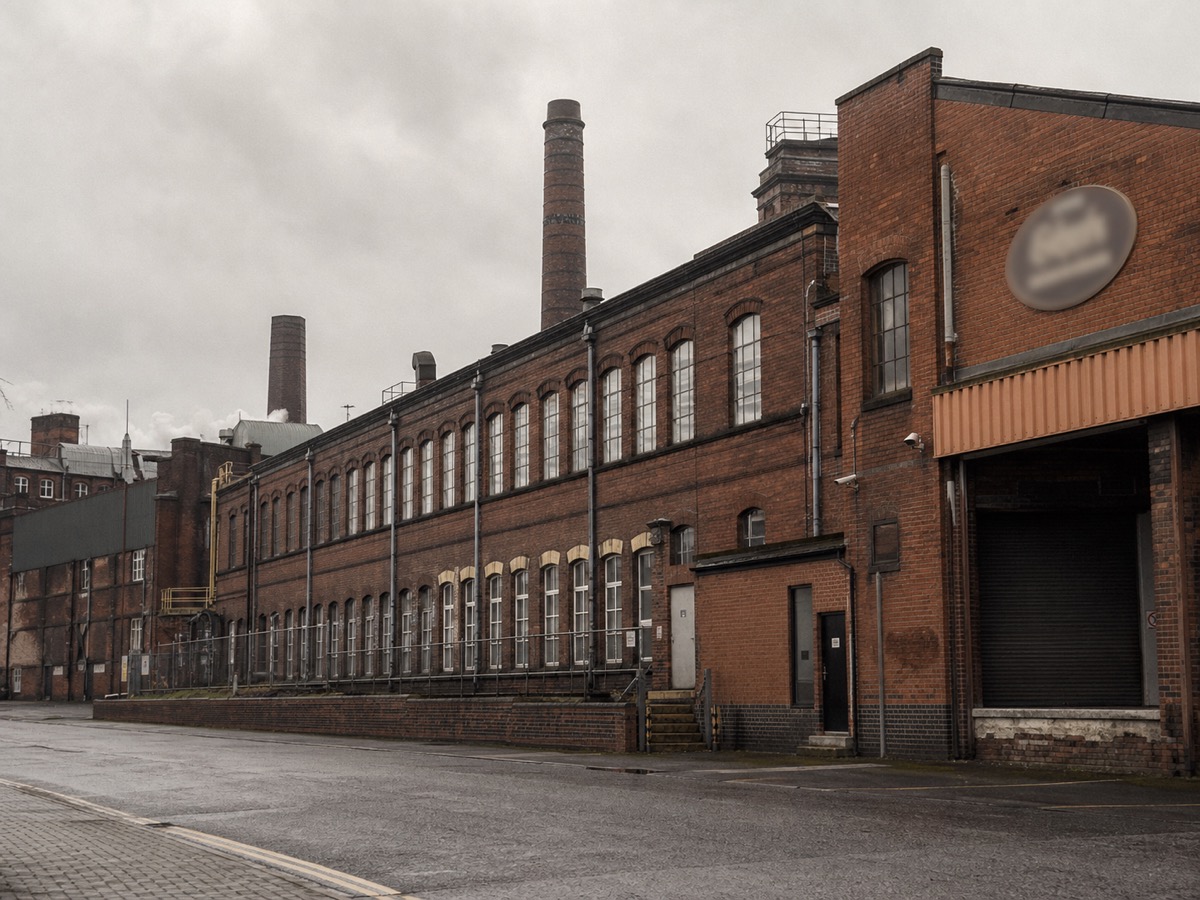
For now, the jar on the shelf is the same jar. The Burton plant is the same plant. The recipe has not changed. Whoever ends up writing the cheque, that is the part we are watching.
Update, 31 March 2026: what actually happened
The “buyer” turned out to be McCormick, the American spice company. The deal was announced on 31 March 2026. It is not a clean sale of the Historic British Brands cluster to a category buyer; it is a £33.5 billion combination of all of Unilever Foods with McCormick, structured as a Reverse Morris Trust. The combined company keeps the McCormick name, the NYSE listing, the Hunt Valley global headquarters, and a second international headquarters in the Netherlands. Brendan Foley, McCormick’s chief executive, runs it. Marcos Gabriel is the chief financial officer. Unilever appoints four of twelve directors.
A detail worth flagging: the press release explicitly names only two brands, Knorr and Hellmann’s, which between them account for around 70 per cent of Unilever Foods sales. Marmite, Bovril, Colman’s and the rest of the Historic British Brands cluster discussed above are bundled into “a wide array of local brands across EMEA, Latin America and APAC”. The cluster is included, but it is not a strategic centrepiece of the transaction. The press release does not mention Burton or any UK manufacturing commitment by name. India, Nepal and Portugal foods, Lifestyle & Nutrition (Horlicks), Buavita and the Lipton RTD joint venture are excluded and stay with Unilever’s slimmed-down HPC business. Fernando Fernández described the residual as “a €39 billion pureplay HPC company”.
The deal is expected to close in mid-2027, subject to McCormick shareholder approval, regulatory clearances and works-council consultation.