
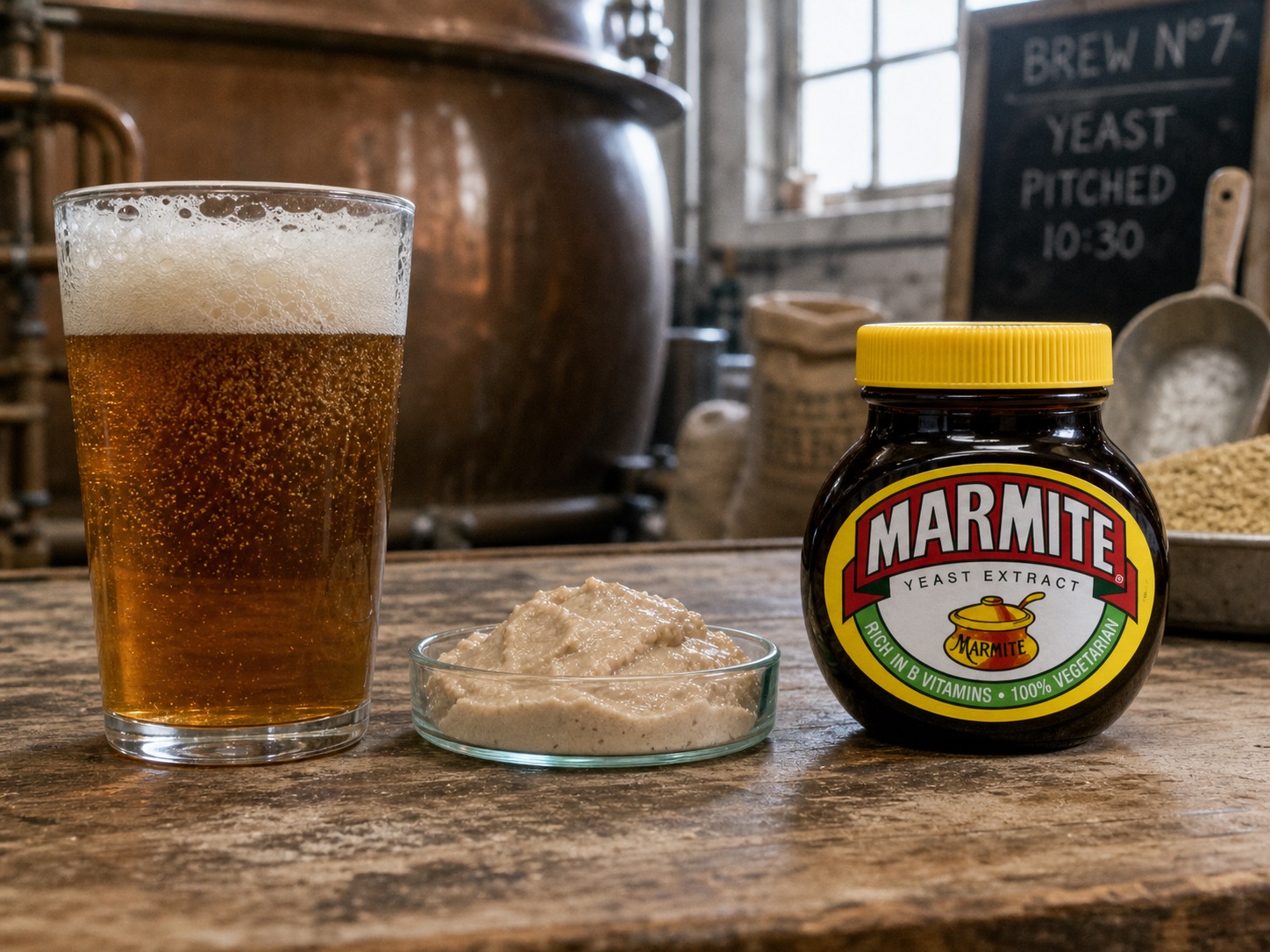
Marmite starts as the spent yeast left over from brewing beer. Salt makes the yeast cells digest themselves, the husks are sieved out, and what remains is a thick brown paste full of natural glutamates. The science of the jar, in plain English.
Marmite Articles
Explore our collection of articles about Marmite, Britain's most divisive spread.
Showing articles tagged with: brewersyeast | View all articles

Why Marmite is made in Burton: how the spread became a Midlands accident
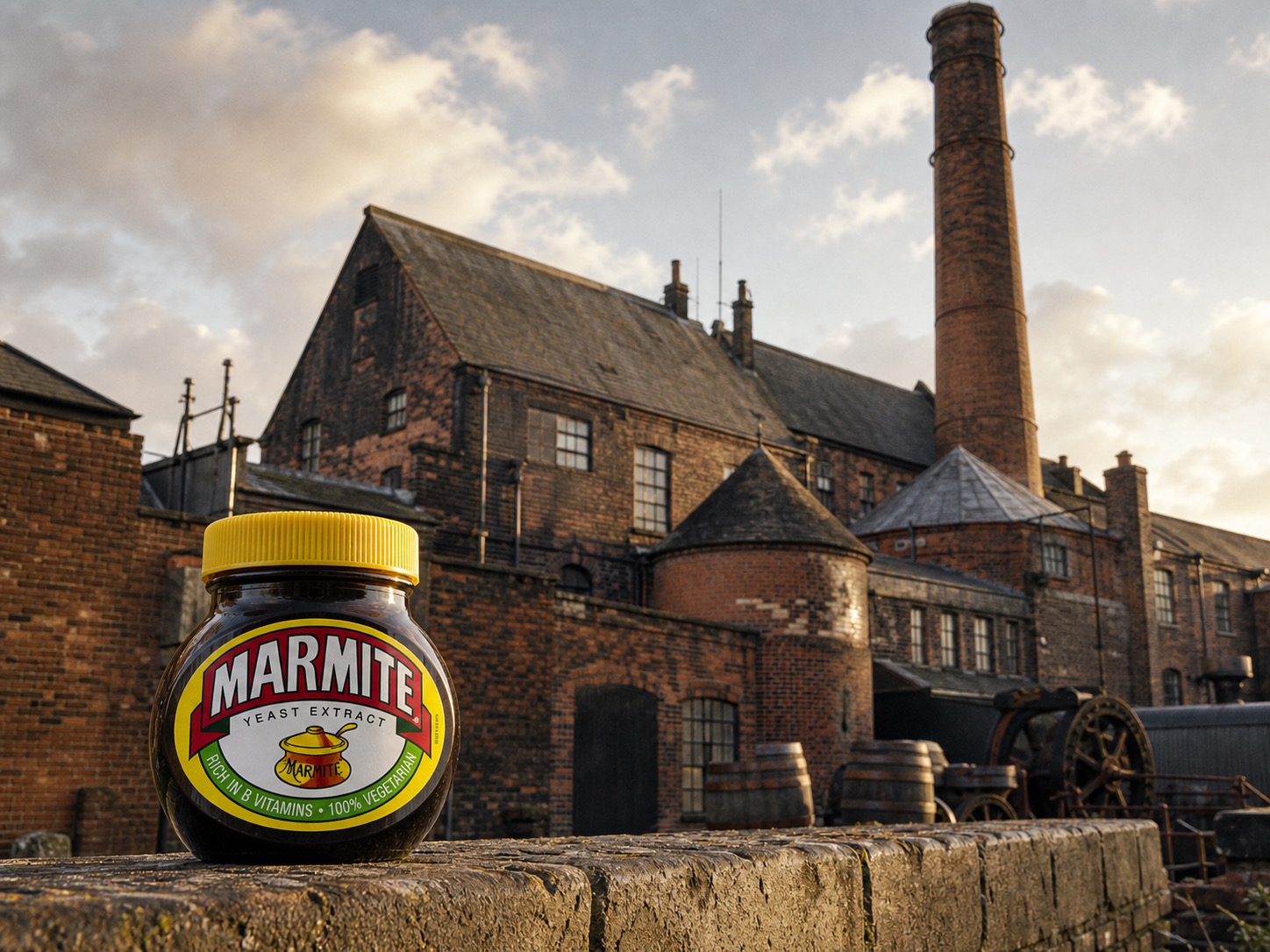
Marmite is made in Burton-on-Trent for one practical reason: it was the brewing capital of Britain, with roughly a quarter of the nation's beer and a mountain of spare yeast. The jar exists because of the pint, and it always has.
How Marmite was invented, by a German chemist and a Burton brewery
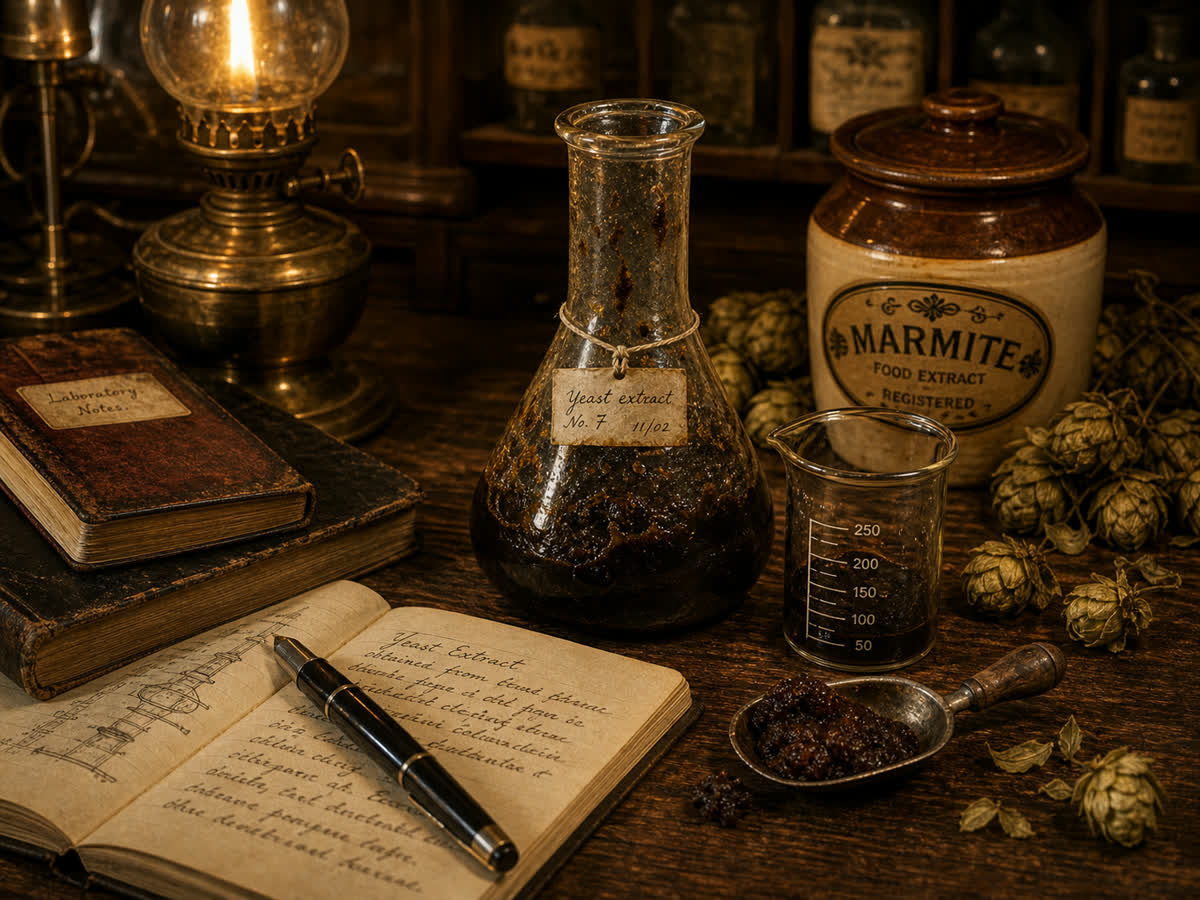
Justus von Liebig was one of the most important nineteenth-century chemists, a founder of modern organic chemistry, the namesake of the Liebig condenser still found in every undergraduate lab, and a serial inventor of food products.
The summer the jars ran dry: Marmite's 2020 yeast shortage
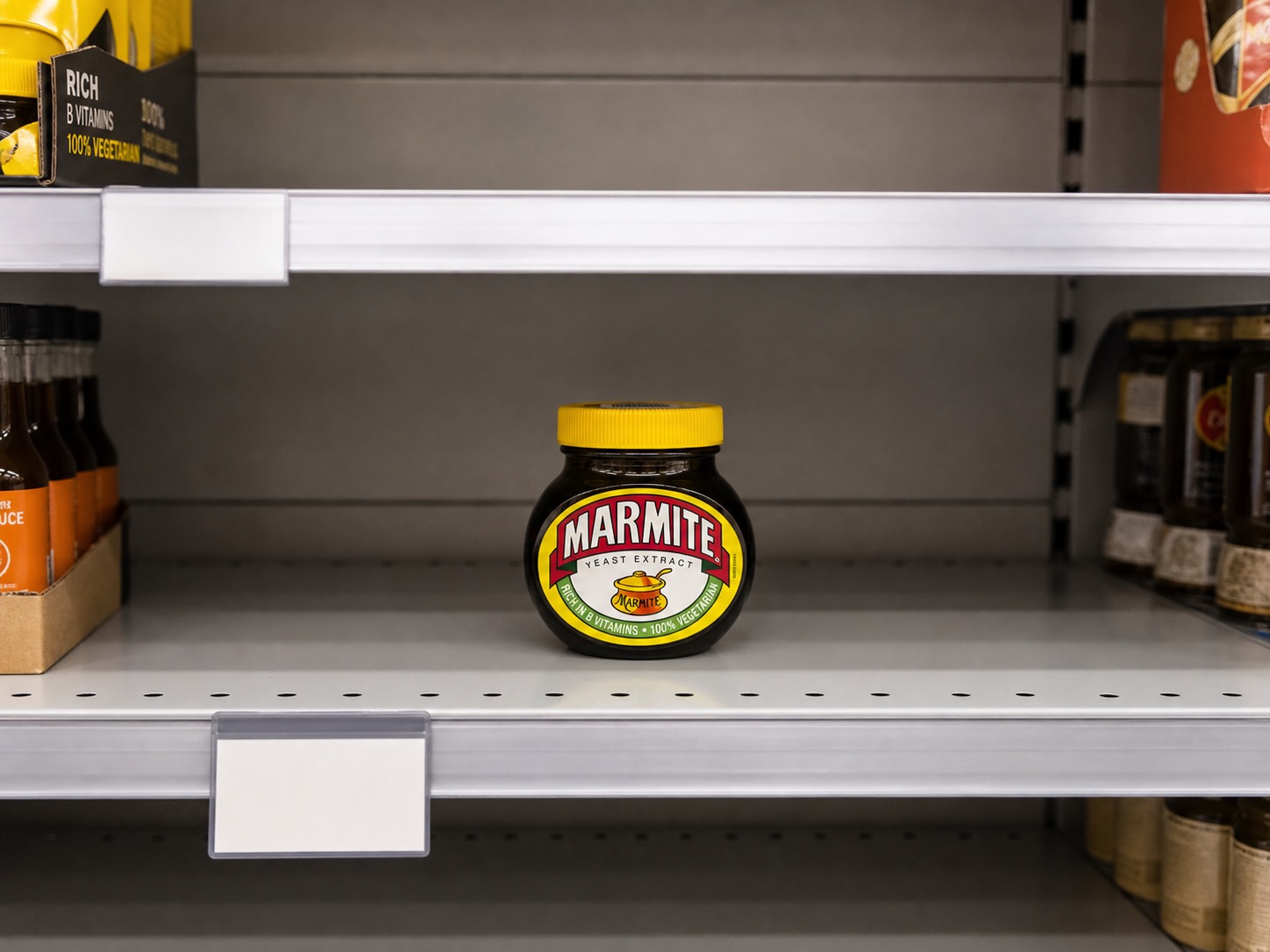
In June 2020 Marmite vanished from shelves in everything but the 250g jar. Pure lockdown logic: the pubs shut, the breweries slowed, and Marmite is made from what is left over when beer is brewed. No pints, no spread.
A short history of Marmite: 1902 to today, in twelve key dates
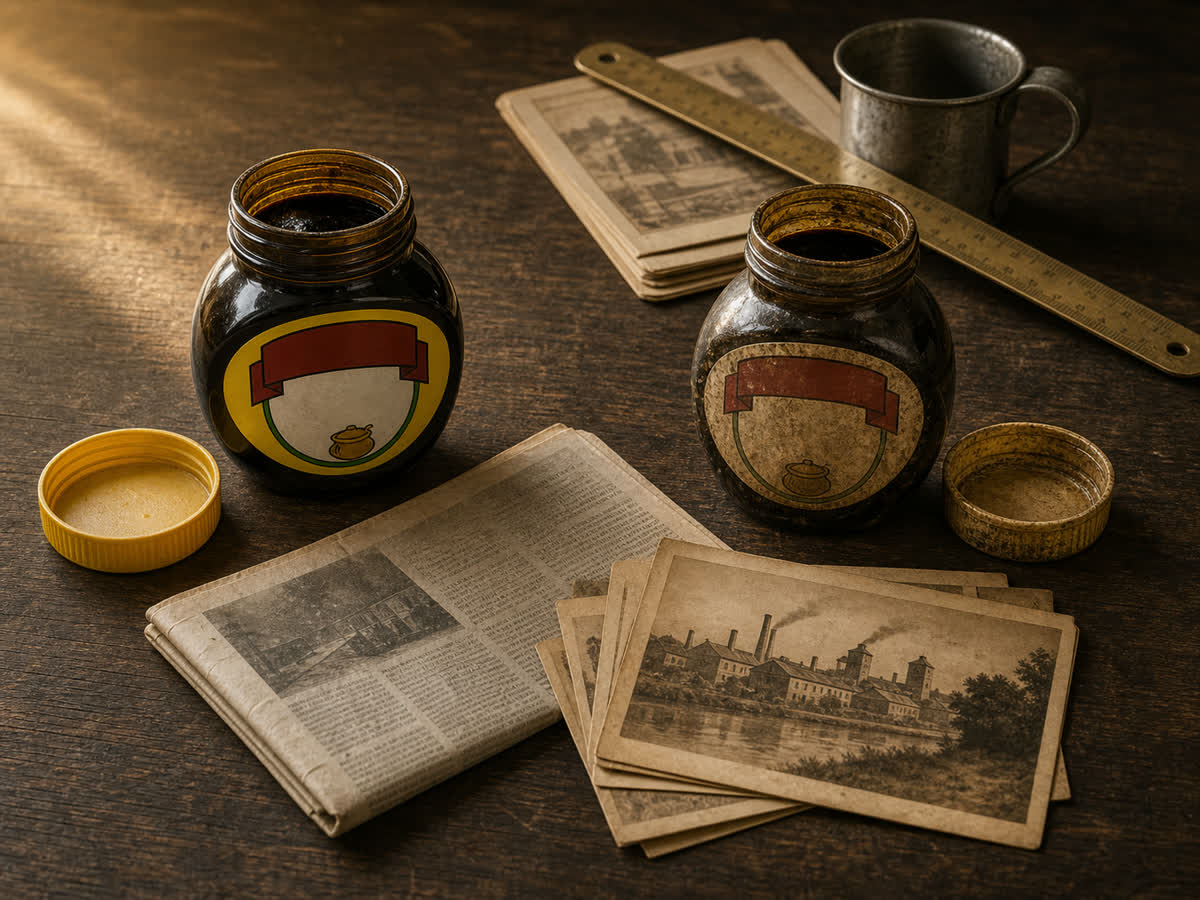
It begins, as a lot of British food does, with a by-product nobody wanted. In 1902, a small group of investors paid £100 a year to rent a disused malt house in Burton-on-Trent and started a company called the Marmite Food Company Limited. Burton was the centre of the British brewing industry.
Page 1 of 1