
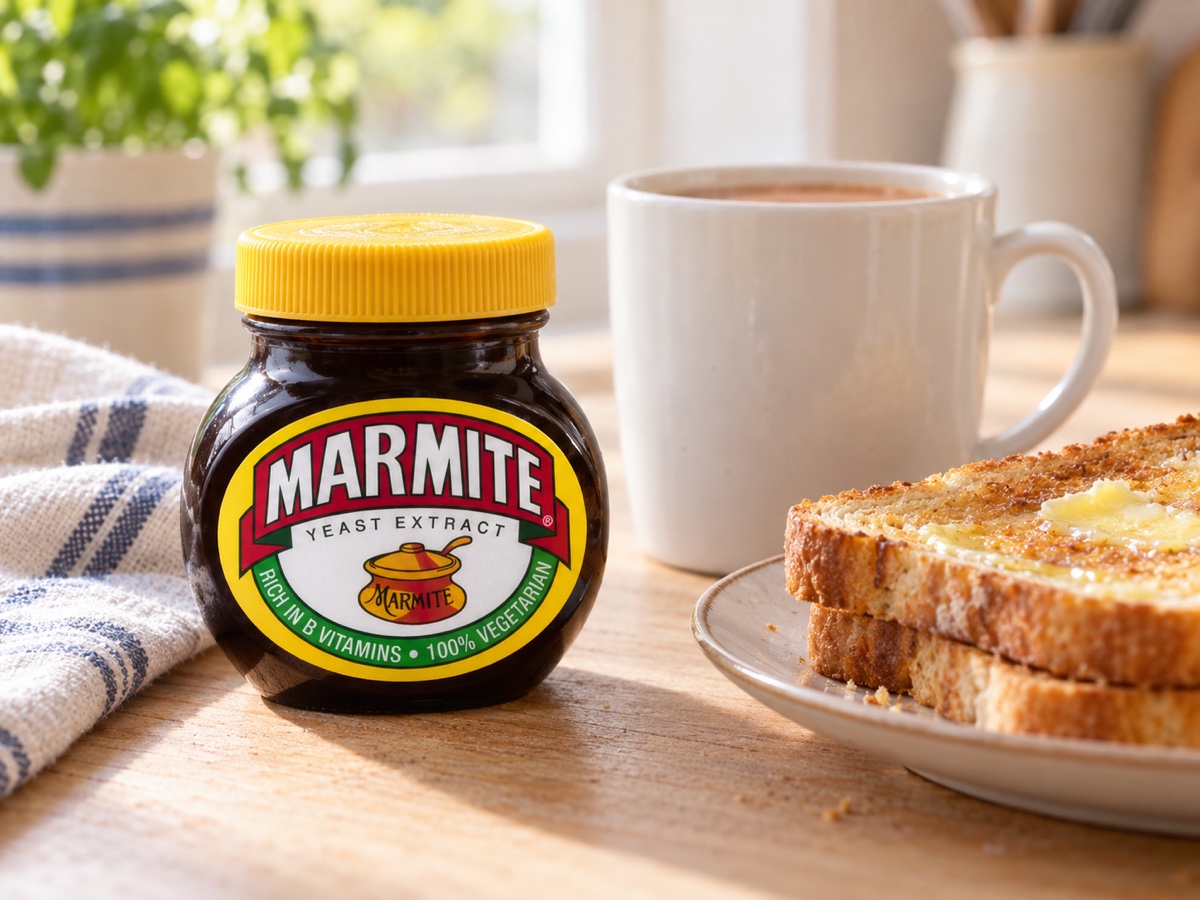
Marmite is safe to eat in pregnancy and it is a genuinely useful source of folate, the nutrient that matters most in the first trimester. That does not make it a substitute for the folic acid supplement the NHS tells you to take, and the salt is worth keeping an eye on: about 0.86g in an 8g serving, roughly 14 per cent of an adult's daily reference intake. What the guidance actually says, without the scaremongering.
Marmite Articles
Explore our collection of articles about Marmite, Britain's most divisive spread.
Showing articles tagged with: b12 | View all articles

Is Bovril good for you? Two professionals answer, and the salt decides it
A teaspoon of Bovril carries about 1.4g of salt, which is 23 per cent of the daily maximum for UK adults. Asked to talk up its health perks, nutritionist Rob Hobson said it is "too high in salt to be considered a health food" and dietitian Nichola Ludlam-Raine warned about blood pressure. The B vitamins come from the yeast extract, not the beef, and on her reckoning Marmite has the edge, though not by much.
What is Marmite actually made of? A look at the ingredients list, in plain English
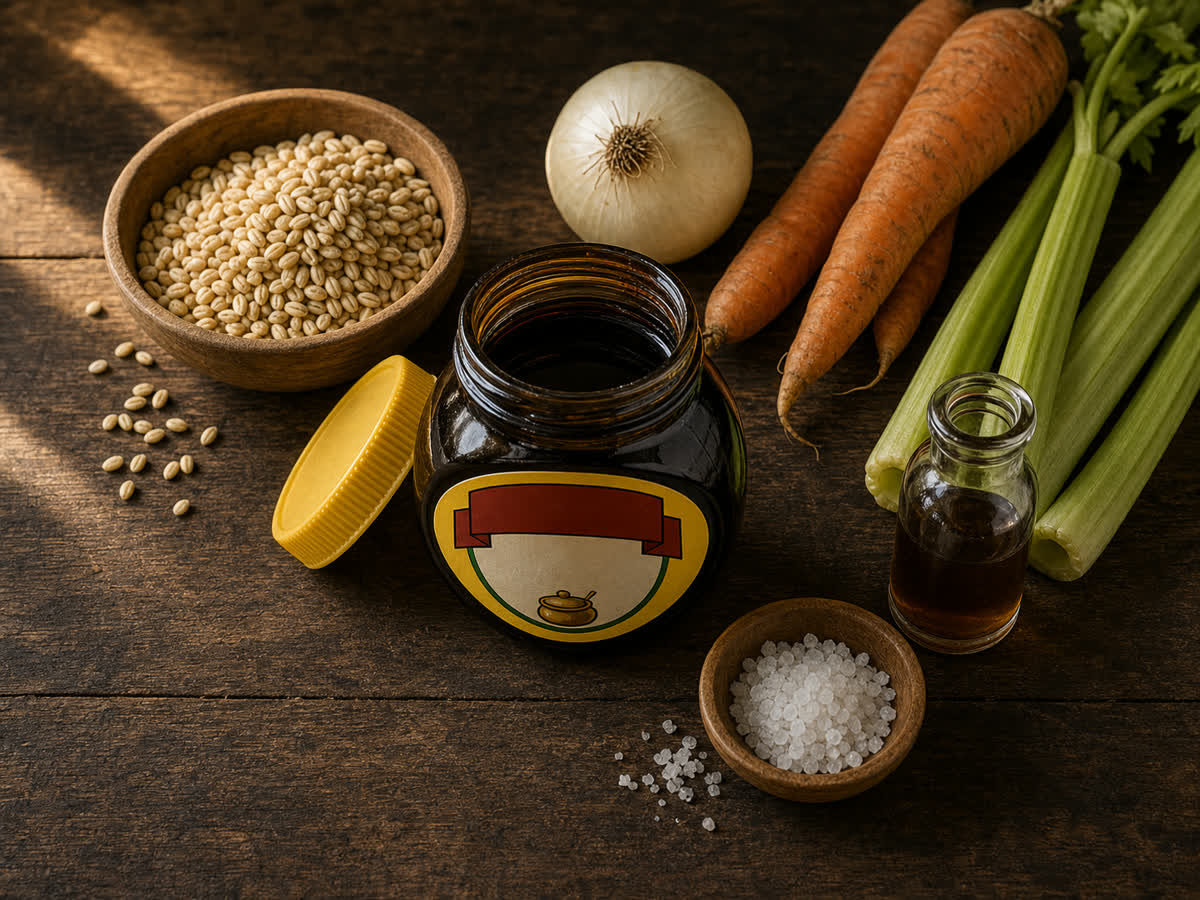
The five things on a Marmite jar's label, in plain English: yeast extract, salt, vegetable juice concentrate, five added B vitamins, and a natural flavouring that contains celery. What the list used to say, and what is not in the jar.
Marmite vs Vegemite: what is the difference, and which one wins?
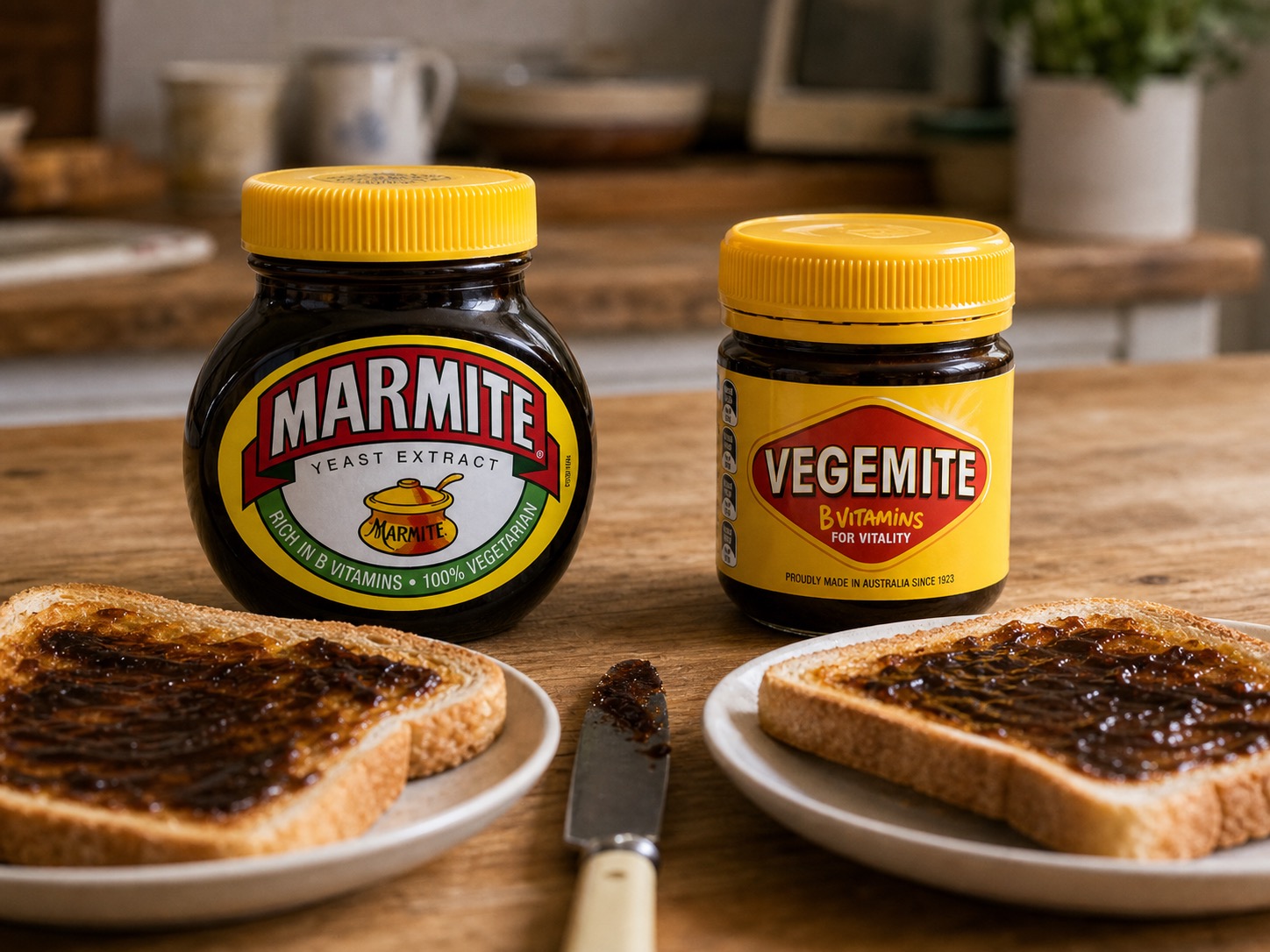
Marmite and Vegemite are both yeast-extract spreads, but not the same jar: Marmite is British, sweeter and B12-fortified; Vegemite is Australian, saltier and thicker. The differences, the WW1 origin, the nutrition split, and a partisan verdict.
Is Marmite good for you? The nutrition case, with the caveats included

Marmite gets opposite write-ups in the press most weeks. The honest nutrition case: a real B12 and folic acid contribution per teaspoon, a salt warning that matters for some people and is overstated for most.
Tim Spector says Marmite is good for your gut, sort of
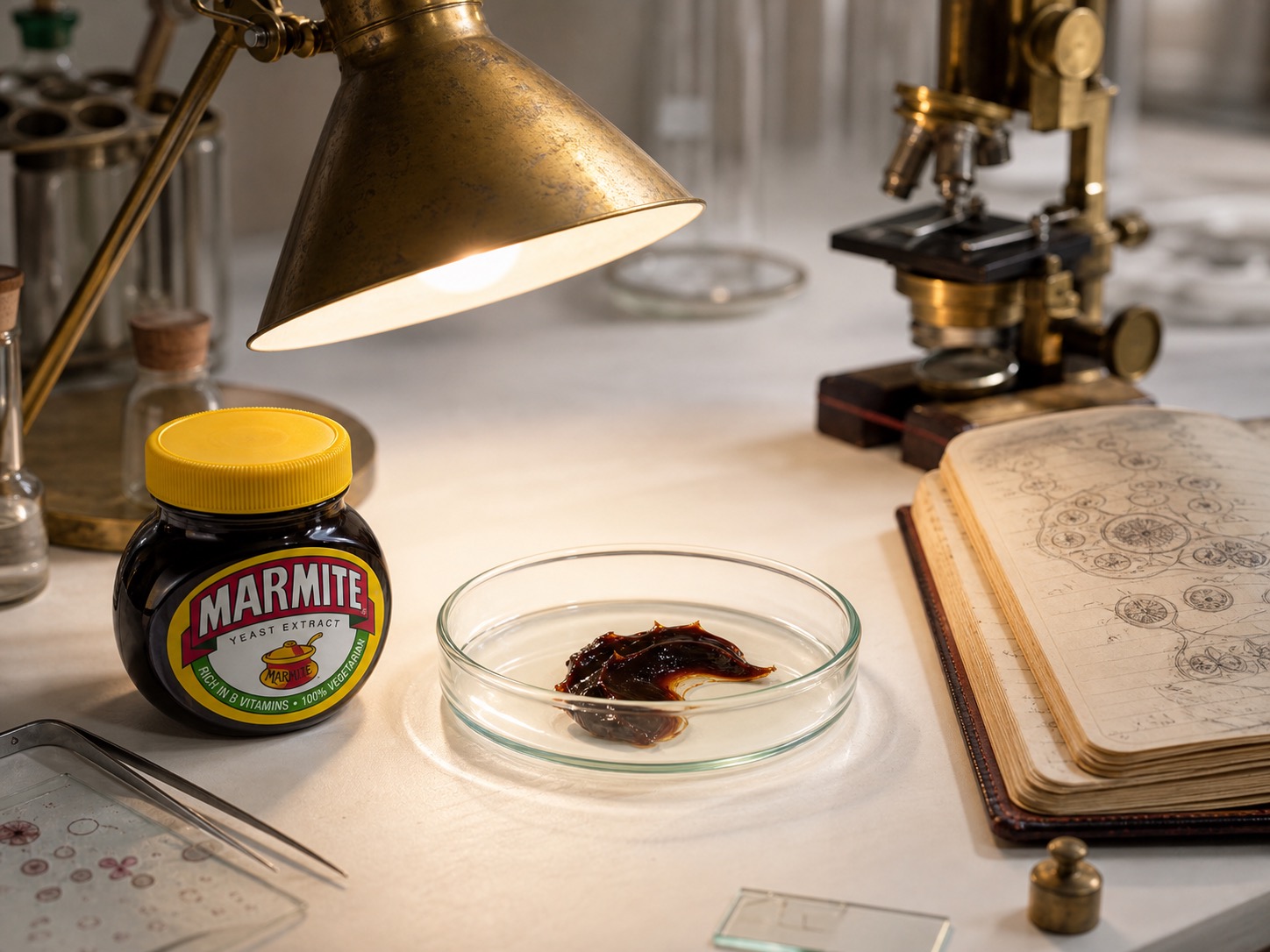
Tim Spector, the professor of genetic epidemiology at King's College London who runs the Zoe nutrition app, wrote a piece in the Independent this month listing the fermented foods he thinks are worth eating regularly.
Marmite: A Vegetarian's Friend
While fish is the main dietary supply of the long-chain omega-3s eicosapentaenoic acid and docosahexaenoic acid, which have been shown to be essential in supporting brain health, low intake of eicosapentaenoic acid and docosahexaenoic acid in vegetarians won't adversely affect mood, based on a new study (Nutr J.
Page 1 of 1