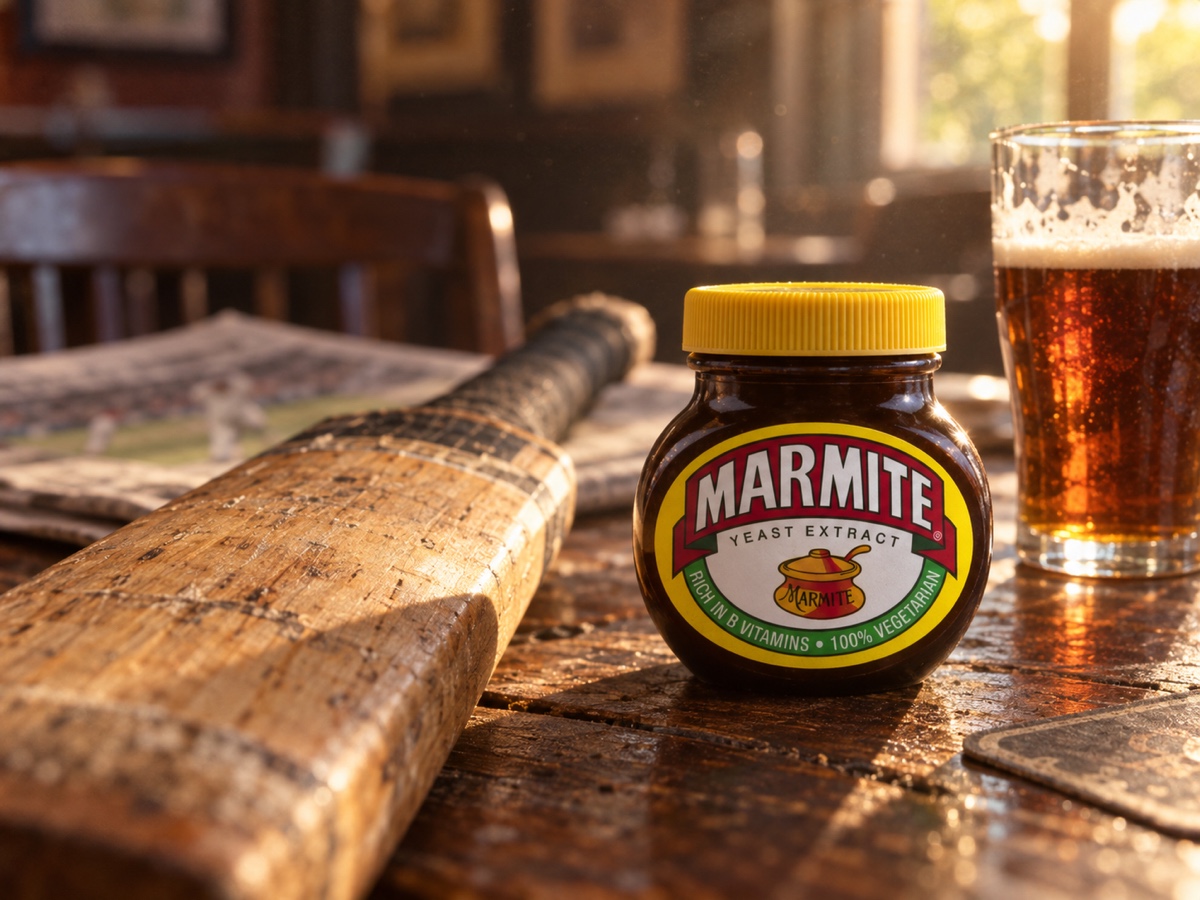
In 2009 Marmite backed England at the Ashes with a limited edition cricket-ball jar and a comic single by Phil Tufnell and the Wooden Urns, sold on iTunes for 79p with the profits going to Cricket for Change. England won. In 2026 Marmite backed England at the World Cup with jars sized by how far you thought they would get. England reached the semi-final. Seventeen years apart, the same instinct, and a much better hit rate than the England cricket team of the 1990s ever managed.
Advertising Campaigns
Iconic Marmite marketing: "Love it or Hate it", Marmite Neglect, Ma'amite, Paddington Bear, and memorable ad campaigns through the decades.
Category: Advertising Campaigns | View all articles

Twelve celebrities go on the record about Marmite, and we have all the receipts
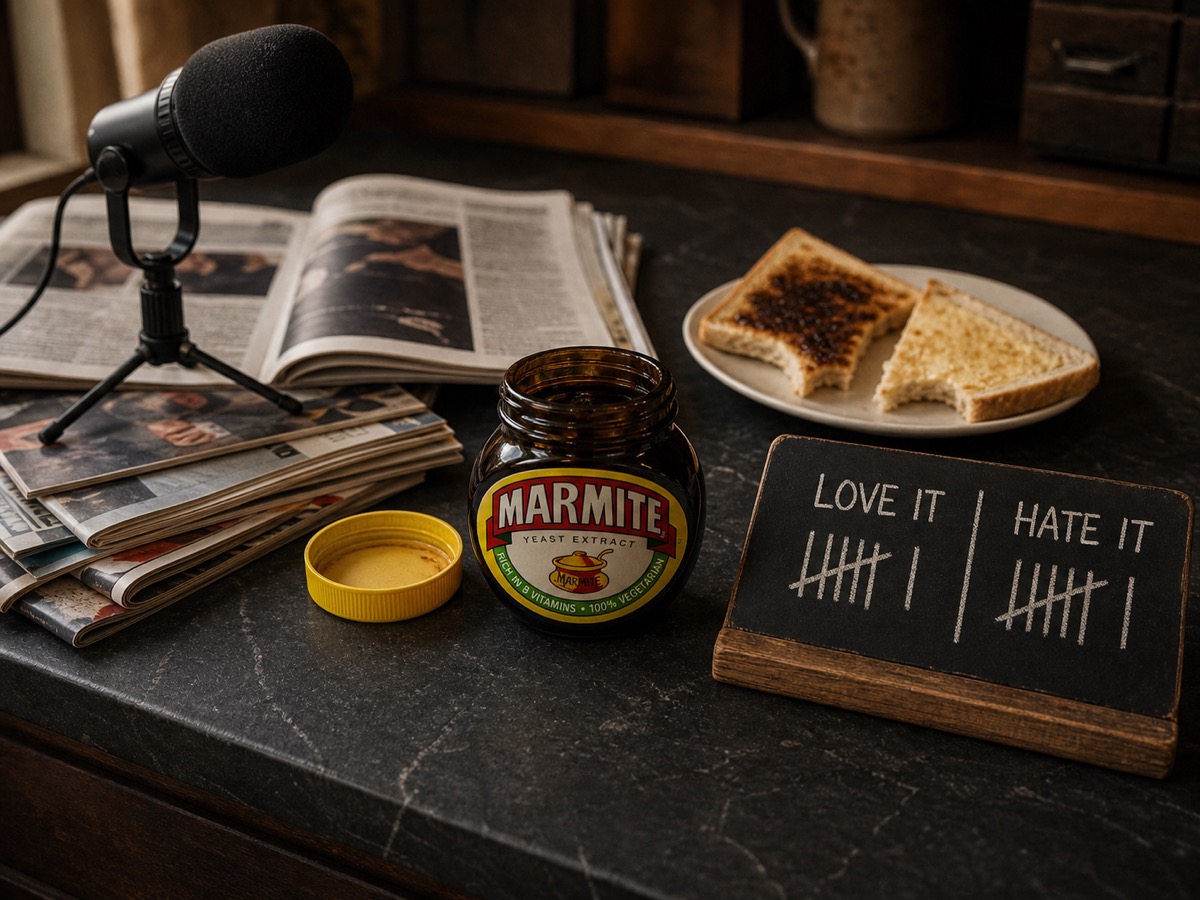
Twelve famous figures who have publicly committed to a side on Marmite, with their real quotes named and sourced. Six lovers (Florence Pugh, Sir Paul McCartney, Nigella Lawson, Nadiya Hussain, Hailey Bieber, Gordon Ramsay), six haters (Madonna, John Cena, Adele, Anthony Albanese, Hugh Jackman, Piers Morgan), and two more who use the word as a metaphor for their own work.
The Marmite WWII workers' campaign: how a brown jar became part of the war effort
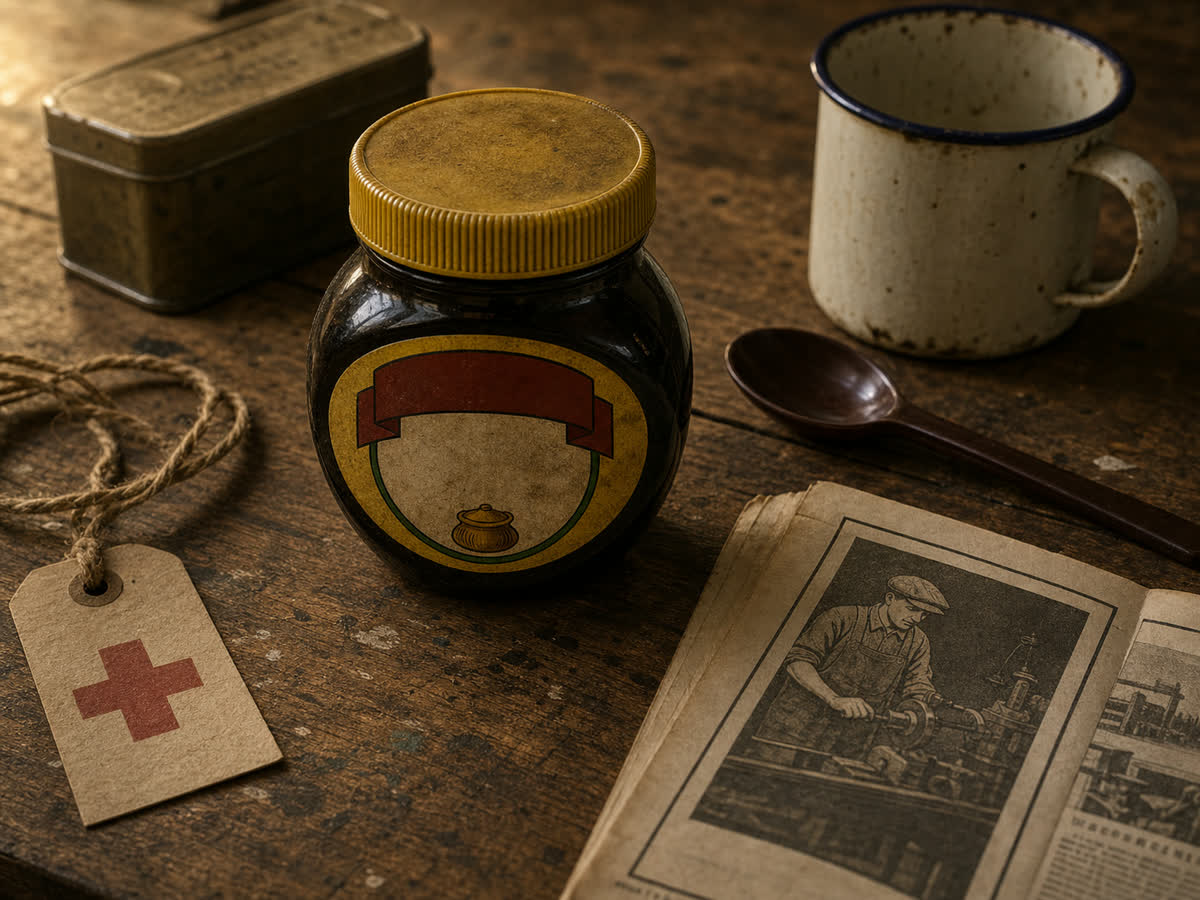
Marmite's Second World War story: the B-vitamin workers' advertising in factory press, the Red Cross parcels to prisoners of war, the desert and jungle field rations, and what the wartime ads actually looked like.
"Love it or hate it": where the Marmite slogan came from, and how it rescued a struggling brand
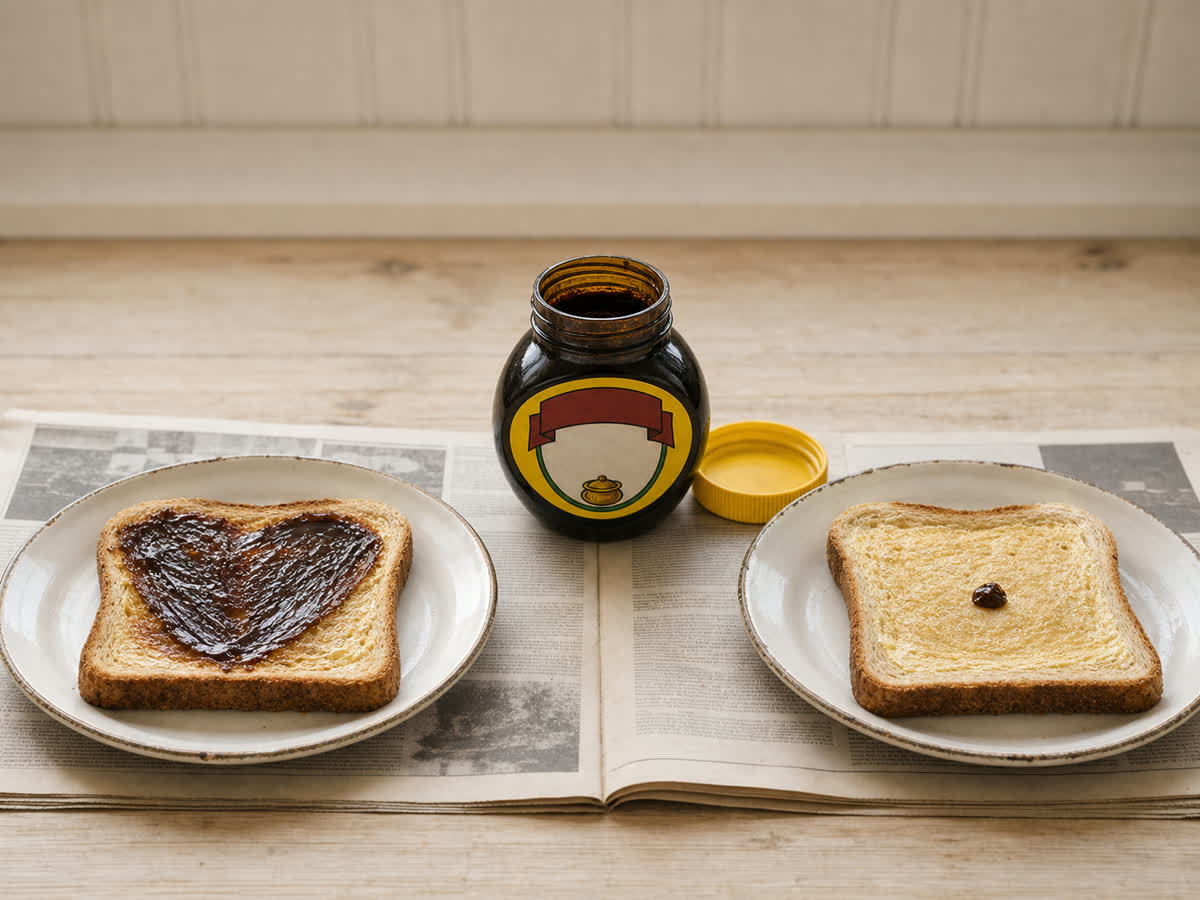
Where 'love it or hate it' came from: the 1996 BMP DDB campaign that rescued a fading brand by leaning into the half of Britain that hated the taste, and how the slogan escaped into everyday language.
Marmite finally admits toast is dying
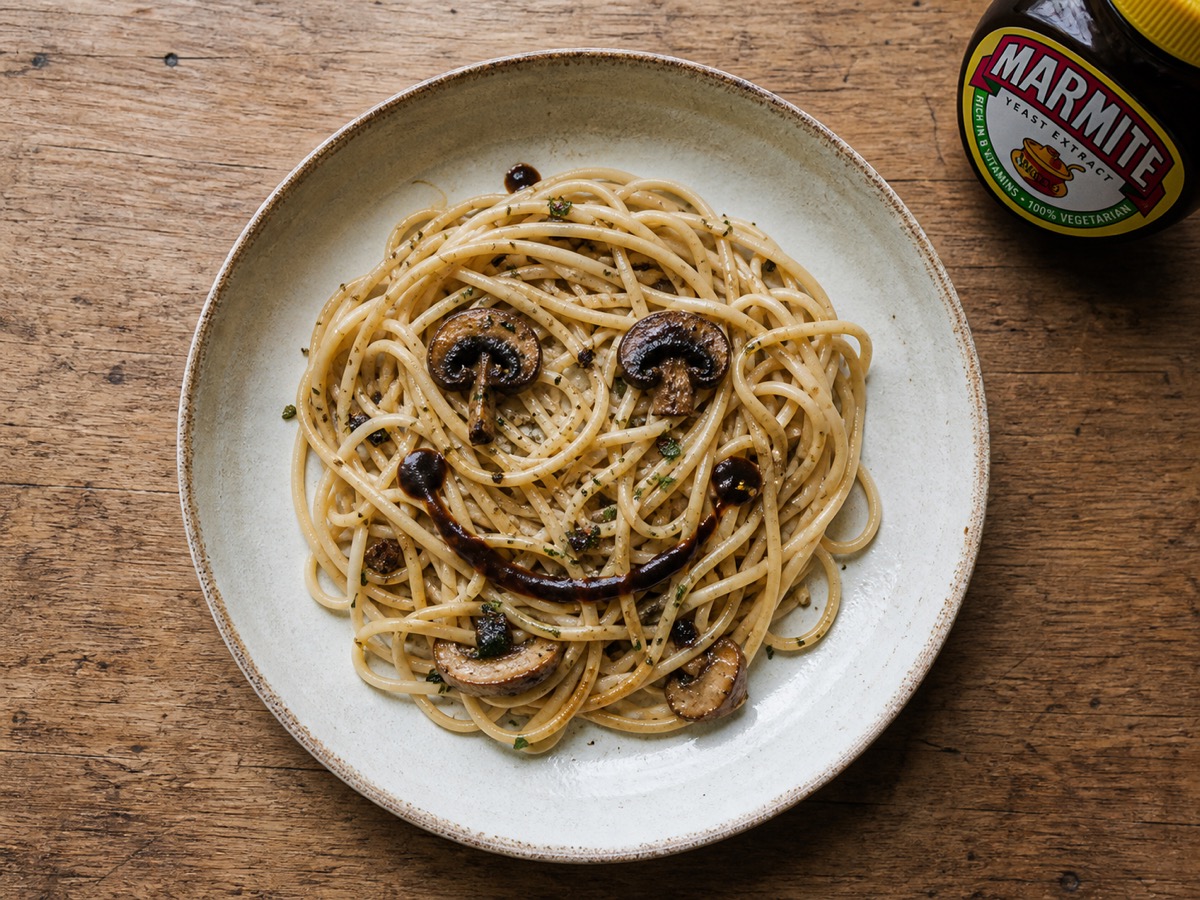
adam&eveDDB's new campaign quietly admits UK toast consumption is down 62 per cent and repositions Marmite as a cooking ingredient. Mostly successful.
A Marlborough boutique has painted itself in Marmite stripes
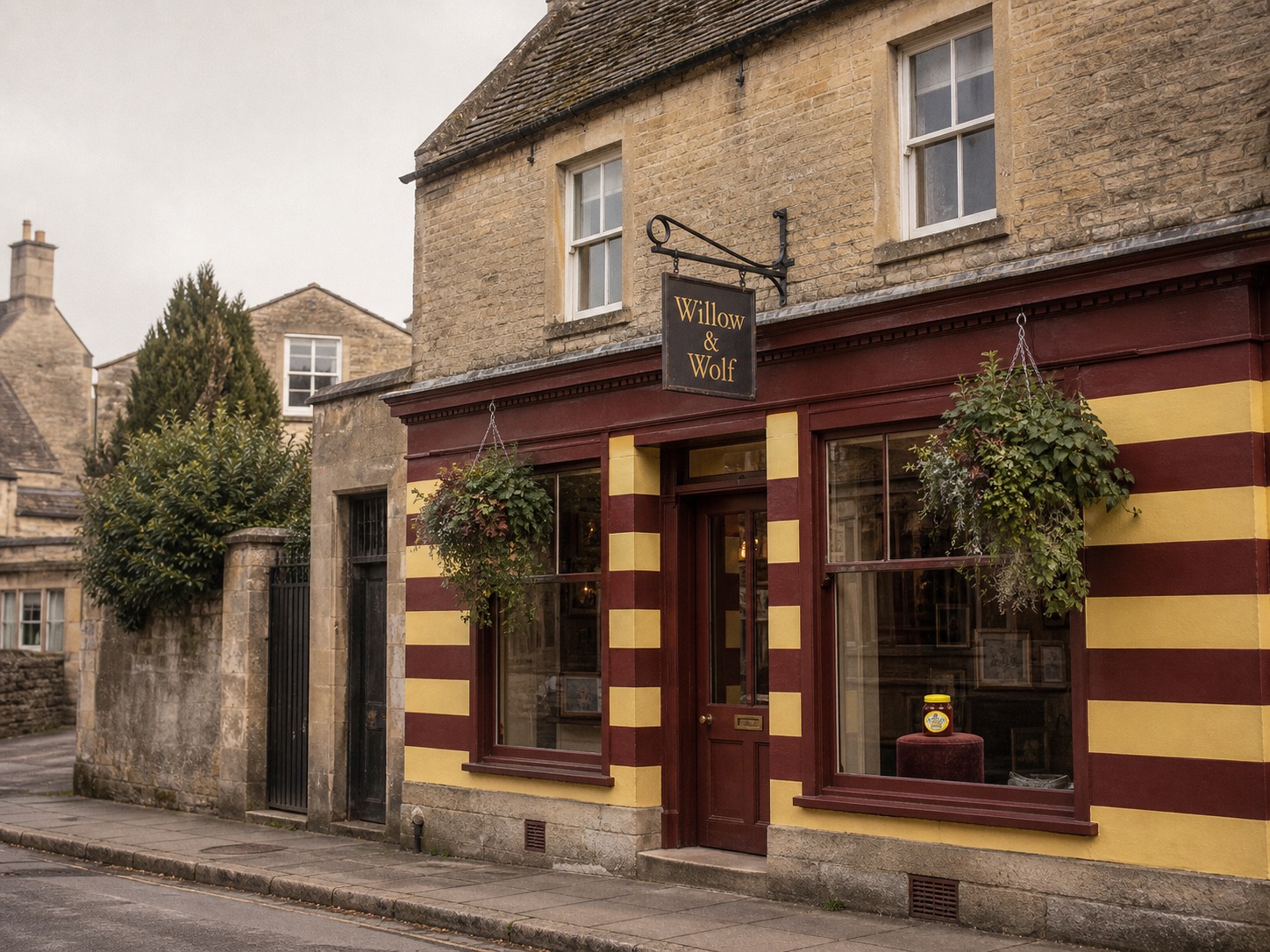
Isabella Wookey, who runs Willow & Wolf on the high street in Marlborough, Wiltshire, has painted the front of her shop in broad stripes. The stripes are a slightly pinker brown than the proper Marmite yellow-and-oxblood, but the reference is instant. Walk past it and you think, jar.
Ma'amite, the Diamond Jubilee Marmite
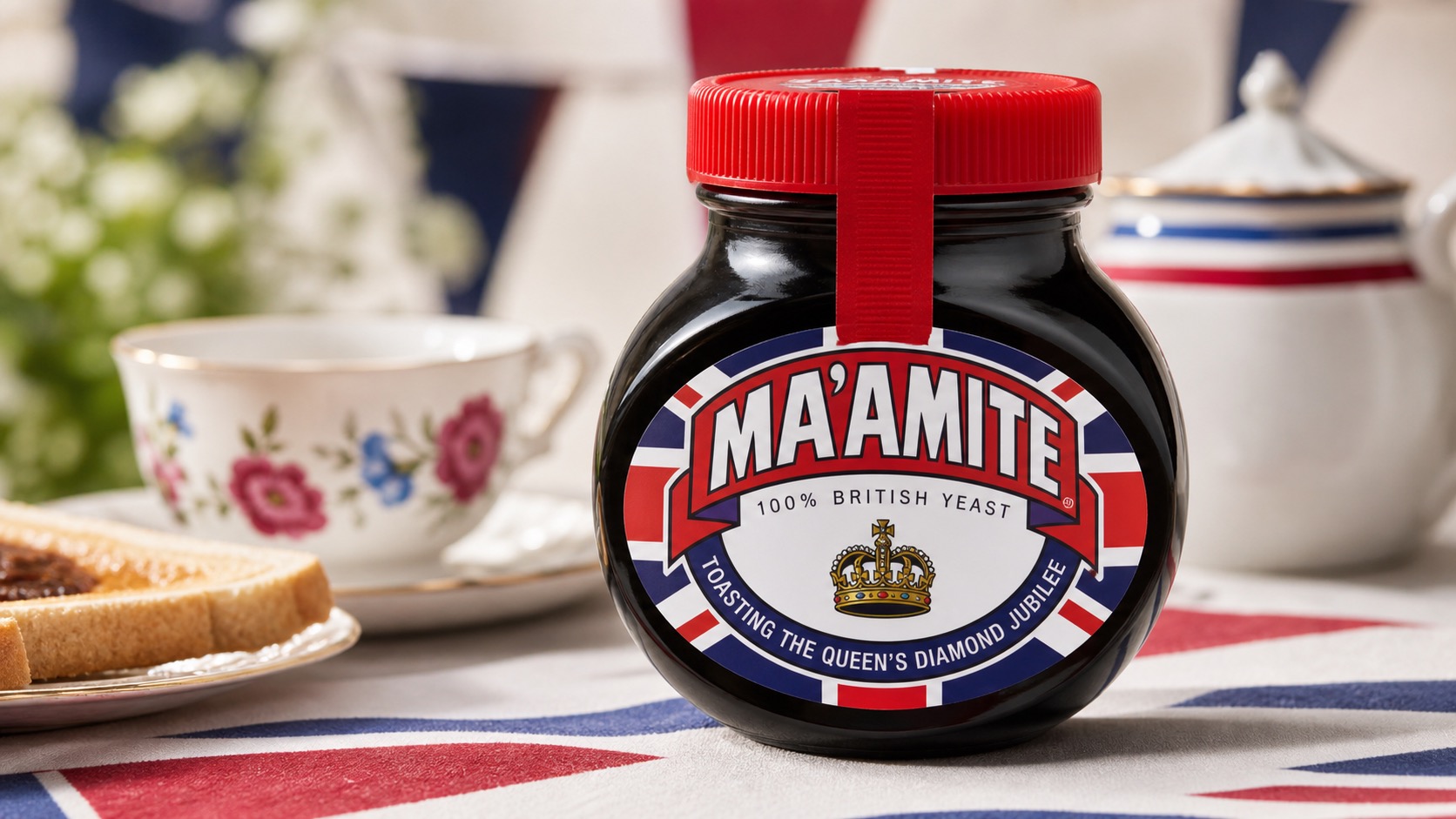
Marmite's marketing team are usually quite restrained. The name "Ma'amite" was the exception. Ma'am as in the way one addresses the Queen, mite as in Marmite.
The time Paddington tried Marmite and Michael Bond was not pleased
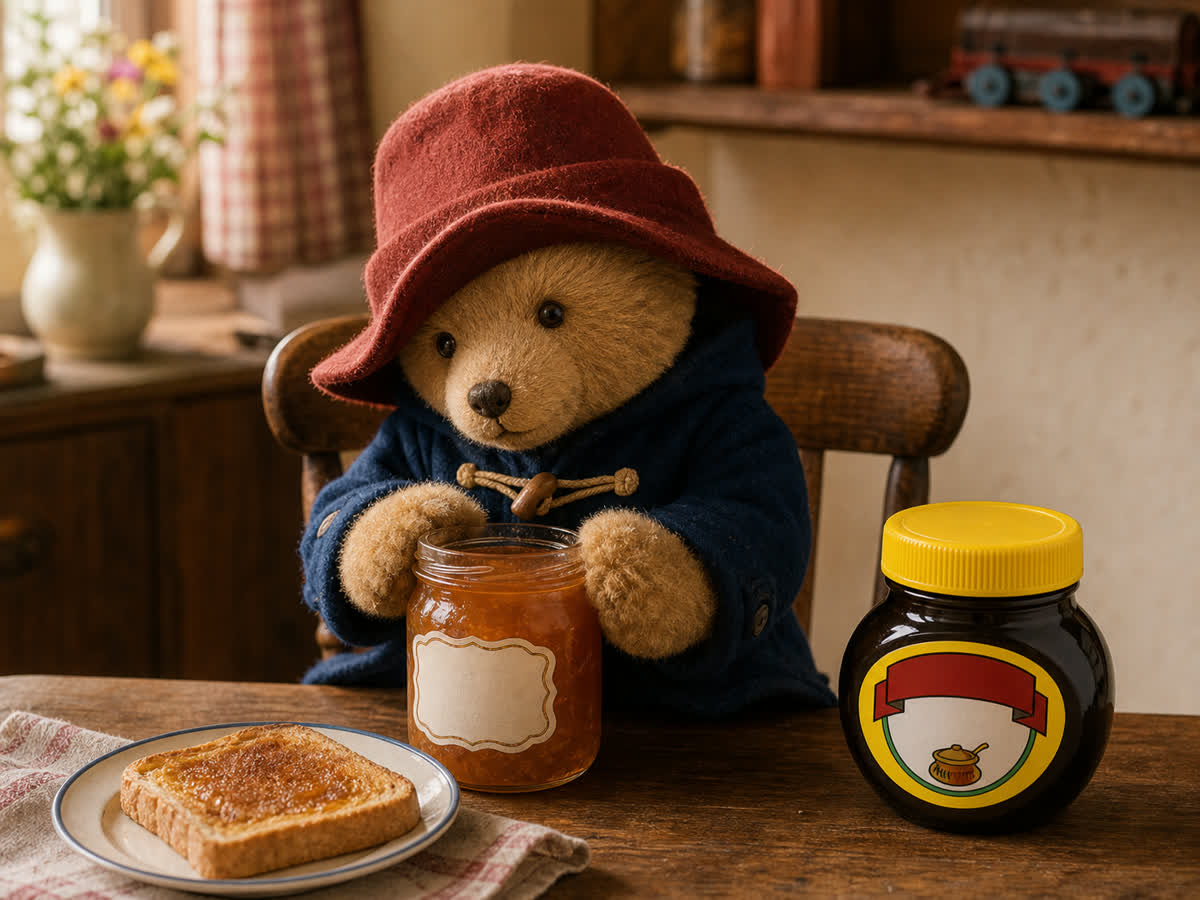
In October 2007, Marmite released a television advert featuring Paddington Bear, made in the classic stop-motion style of the original 1970s BBC series. Paddington, in his duffle coat and hat, picks up a Marmite and cheese sandwich, tries it, and declares it "really rather good".
The Marmarati, the fake secret society Marmite invented
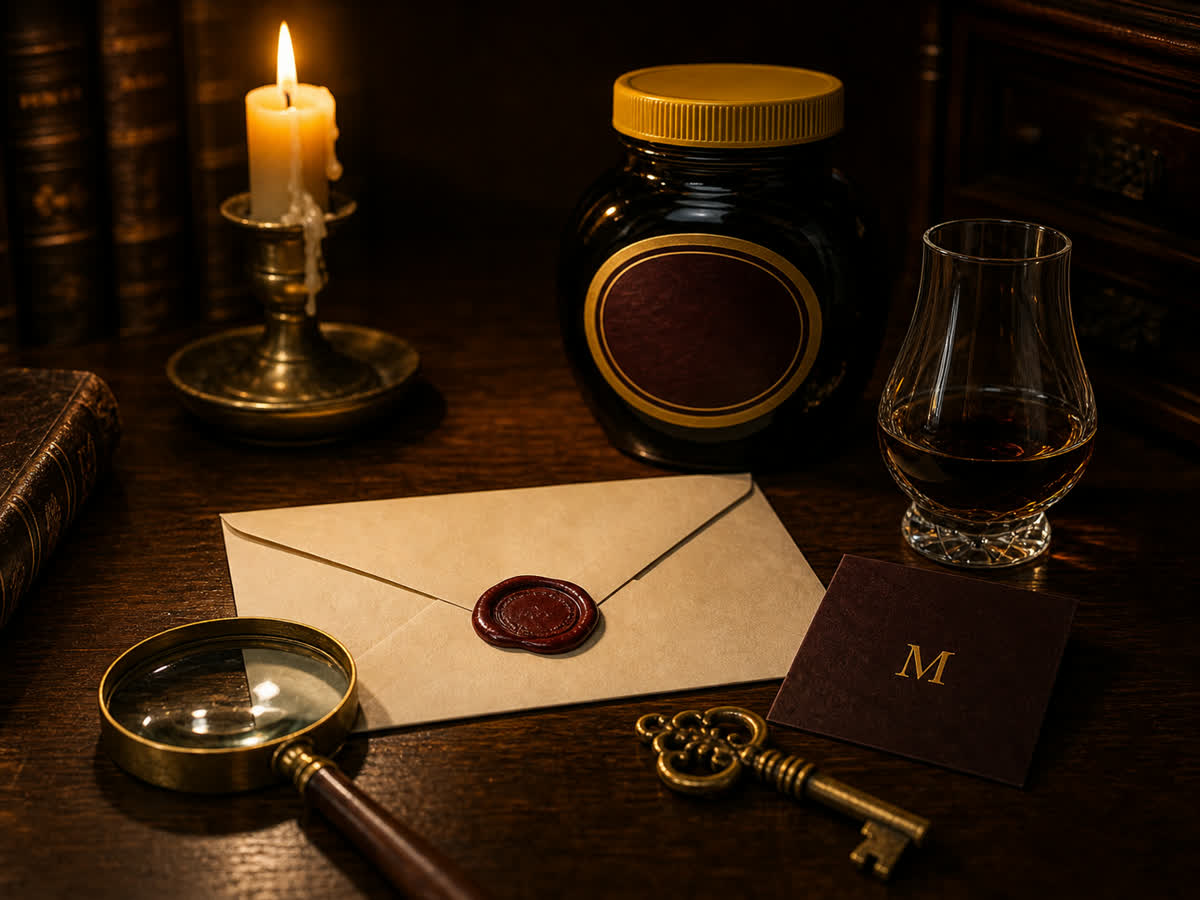
Marmite XO (the extra-strong, double-aged version) launched in 2010. The standard launch playbook for an extension of a heritage brand is, broadly, "advertise on television, put it in supermarkets, hope for the best". Marmite did not do that.
1984: the year Marmite changed the lid and the nation panicked
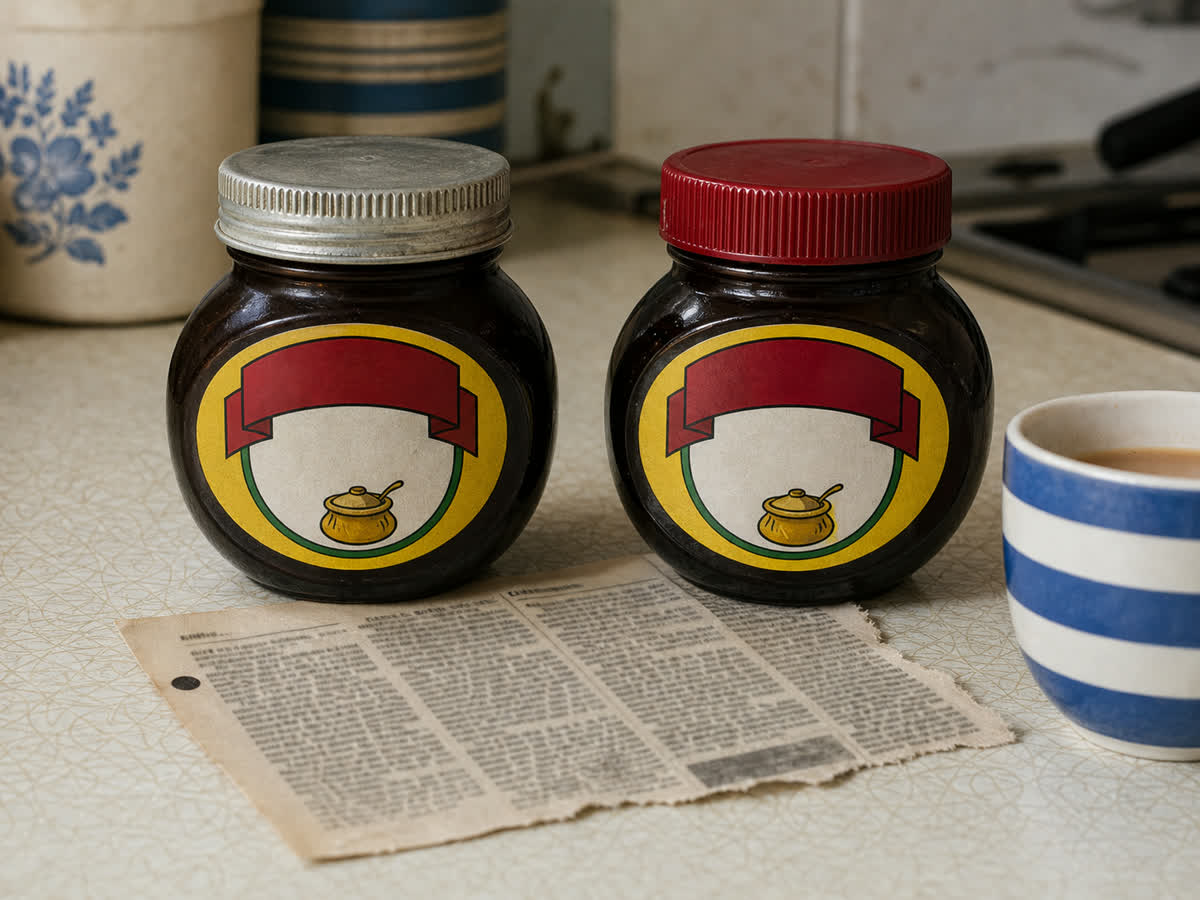
For most of its history, Marmite came with a metal screw-top lid. The lid was satisfying. It made the right sound when you opened the jar. It had heft. It felt durable, in the way that midcentury British packaging often did, and it suggested that the contents were a serious product.
Page 1 of 4
Next »