
During lockdown, Oscar nominee Florence Pugh filmed herself making Marmite on toast with real care, and one firm rule: the butter goes on slightly cold so it only half melts into the hot toast. A genuine lover, particular about the details.
Marmite Articles
Explore our collection of articles about Marmite, Britain's most divisive spread.

Graham Norton and Marmite: the chat-show king who can't stand it
Graham Norton cannot stand Marmite, and has said so plainly. He even reached for it on Eurovision, calling one entry 'like Marmite, if everyone hated Marmite'. A useful name on the hate side from a man whose whole brand is warmth.
Paul McCartney and Marmite: the Beatle who hides it in a three-decker bagel
Sir Paul McCartney, a vegetarian since the 1970s, is a Marmite lover who built it into an elaborate layered bagel with a dark scrape of Marmite at the base. The salty, savoury hit is exactly the kind of flavour a long-time vegetarian leans on.
Helen Mirren and Marmite: the Dame who would happily do the advert
Dame Helen Mirren is a cheerful, unhedged Marmite lover, to the point of saying she would happily front an advert for it. For an actress known for regal poise, planting her flag so firmly on the love side is a small, human thing to put on the record.
(definitely NOT) Steven Fri on Marmite, voting Conservative, the McCormick sale, refusing Bartle Bogle Hegarty, and why Dostoyevsky was wrong about the jar
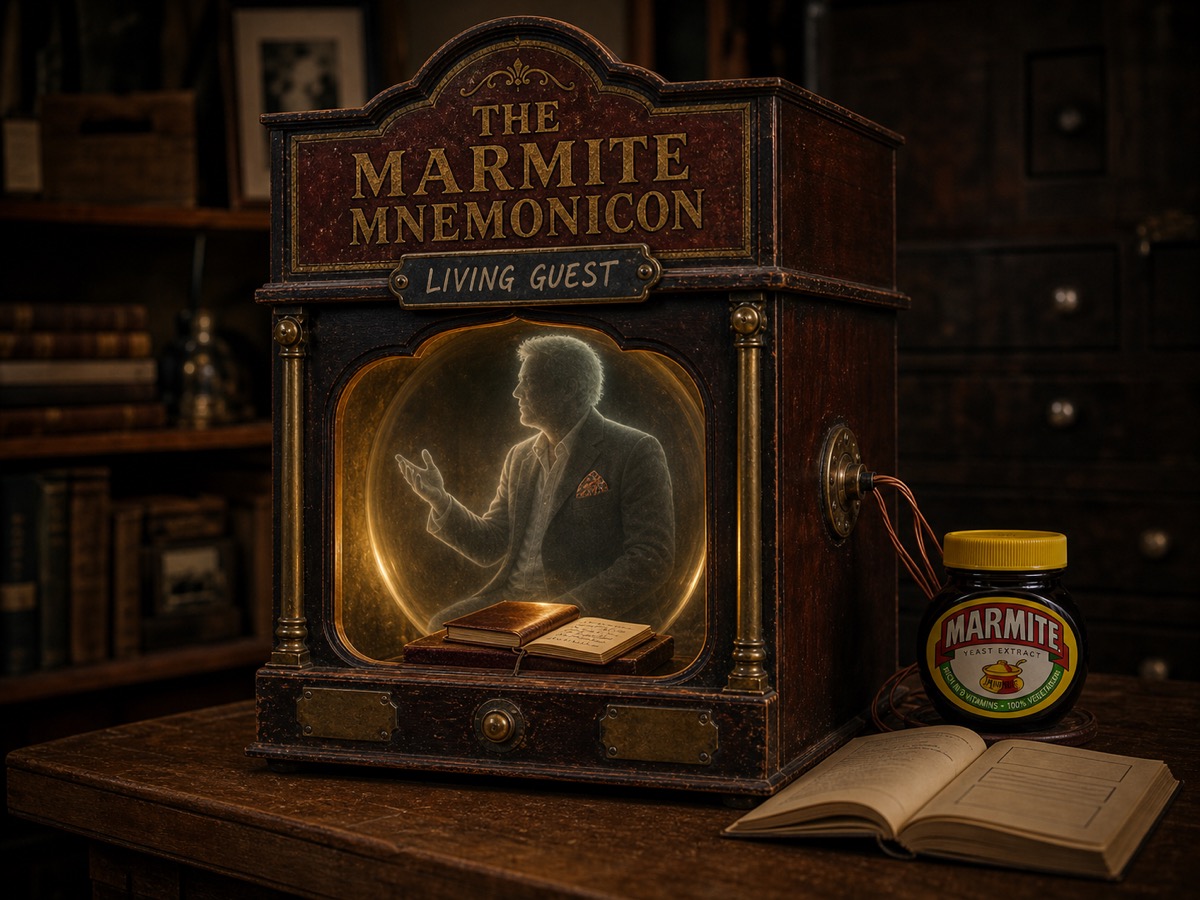
Not a real interview. The Astral Mnemonicon's first séance, with a fictional 'Steven Fri' standing in for the asleep, un-consulted Stephen Fry. Conservative-voting joke unpacked, McCormick sale, and why Dostoyevsky was wrong about the jar.
Billy Bragg and Marmite: the Bard of Barking who put it in a song
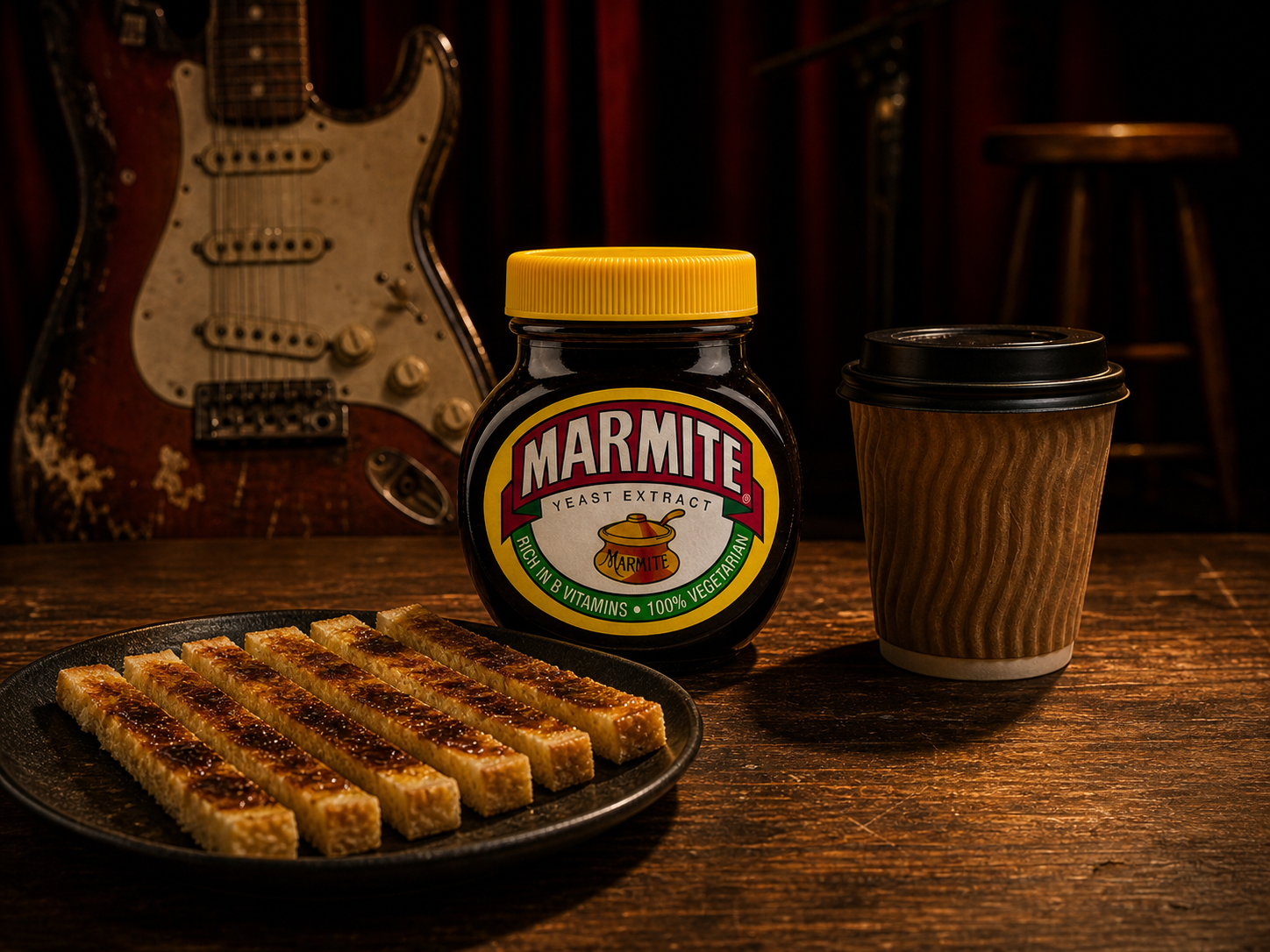
Most people manage a sentence about Marmite. Billy Bragg put it in a song: the title track of 'England, Half English' pictures a breakfast of 'Marmite soldiers washed down with a cappuccino'. You don't reach for Marmite as shorthand for home unless you genuinely eat it.
Is Marmite an energy food? The truth behind the wartime reputation
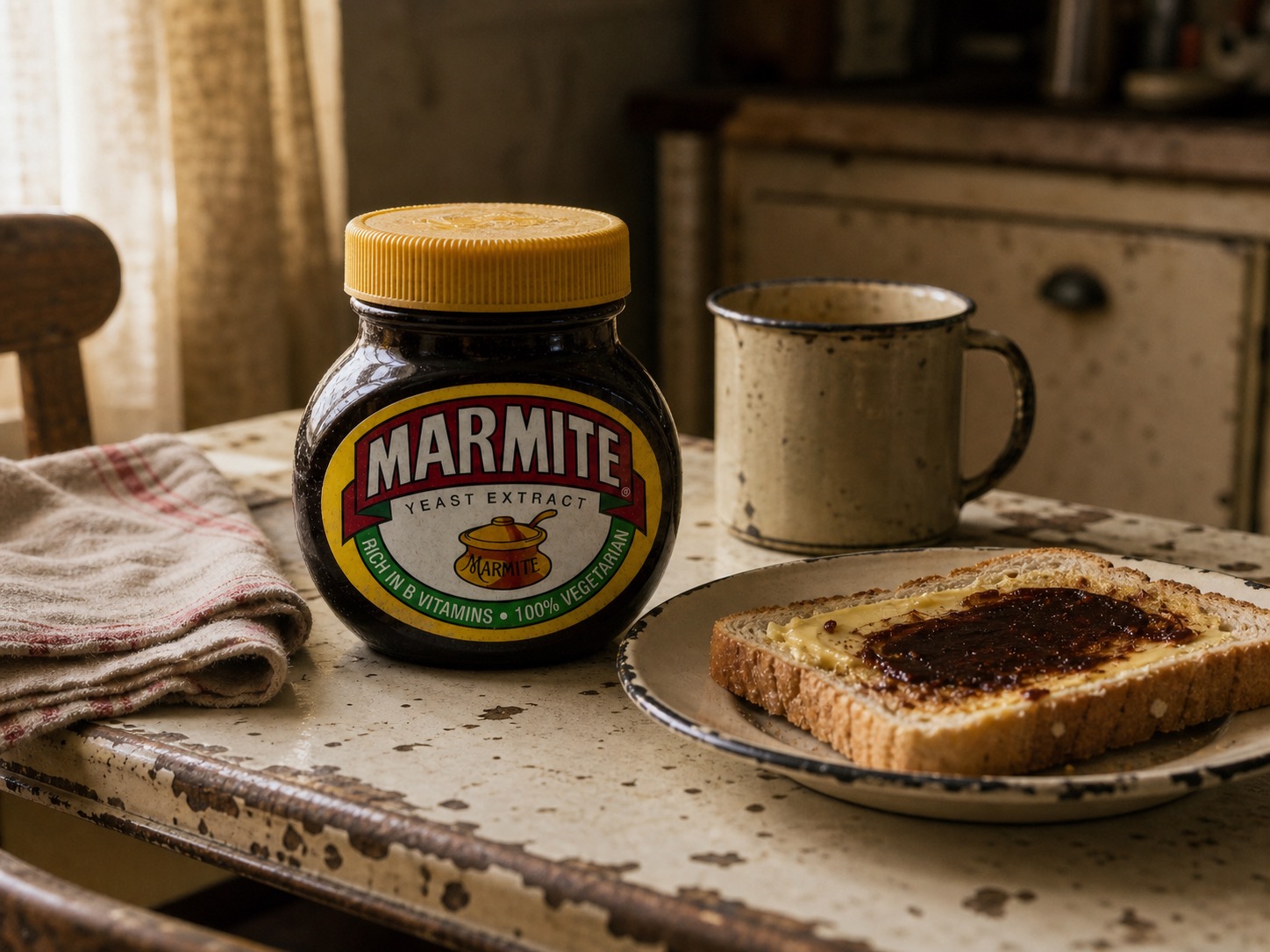
People half-remember Marmite as some kind of wartime energy product, the brown jar that kept factory workers and soldiers going. The reputation is real, but the science is widely misunderstood. Marmite barely contains any calories at all, so it is not an energy source in the way a sugary drink or a flapjack is. What it does carry is a heavy load of B vitamins, which help the body release energy from the food you eat. That distinction is the whole story.
Marmite vs Bovril vs Vegemite vs Oxo: the brown-jar showdown
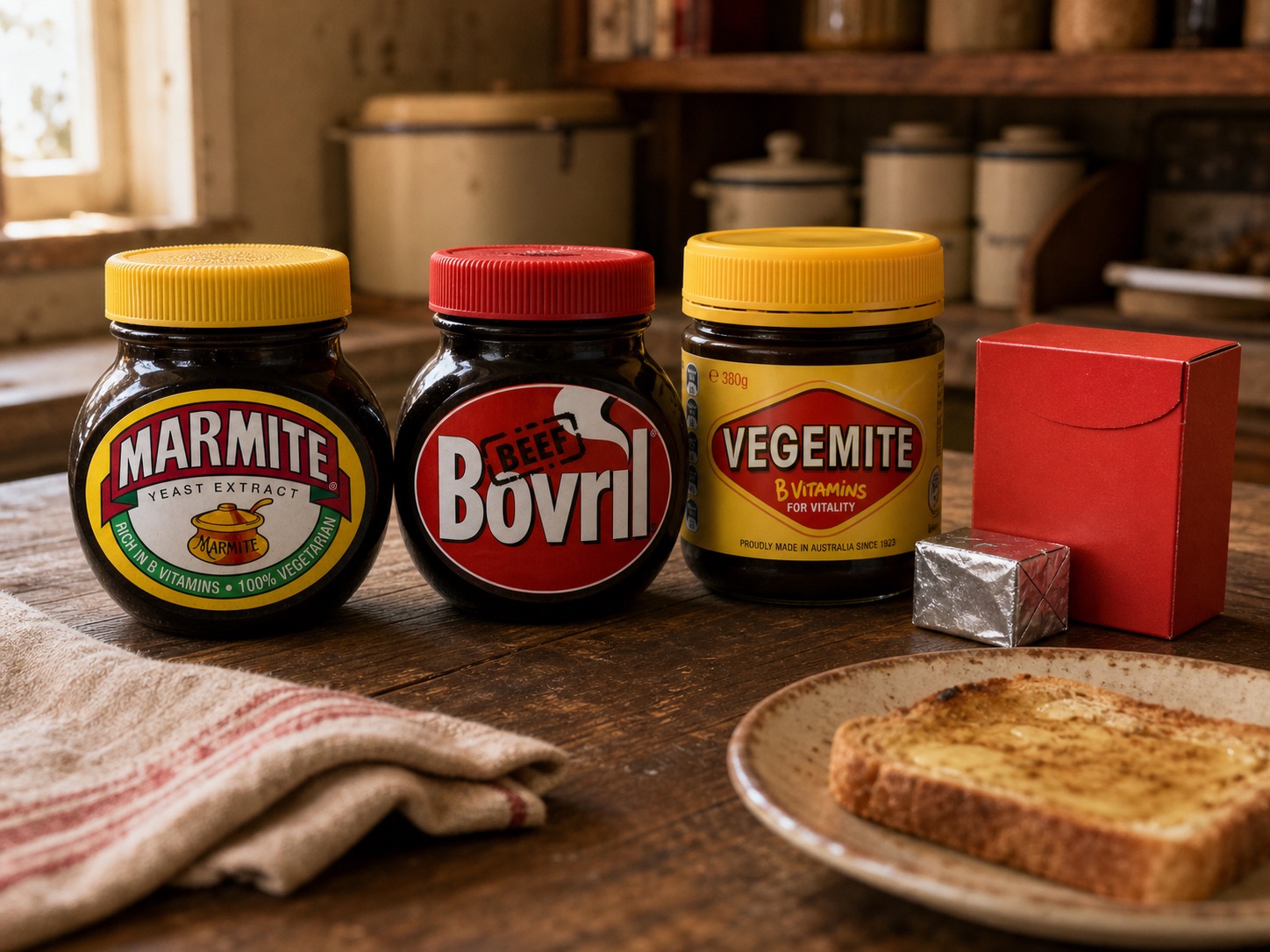
Four dark, salty British and Australian savoury staples that people muddle up constantly: Marmite, Bovril, Vegemite and Oxo. The one distinction that settles most arguments is what they are made from. Marmite and Vegemite are yeast extract and suit vegetarians and vegans. Bovril and Oxo are built on beef. The rest is detail: dates, owners, and which jar you actually want for the job in hand.
Would Marmite survive the apocalypse? The cockroach question
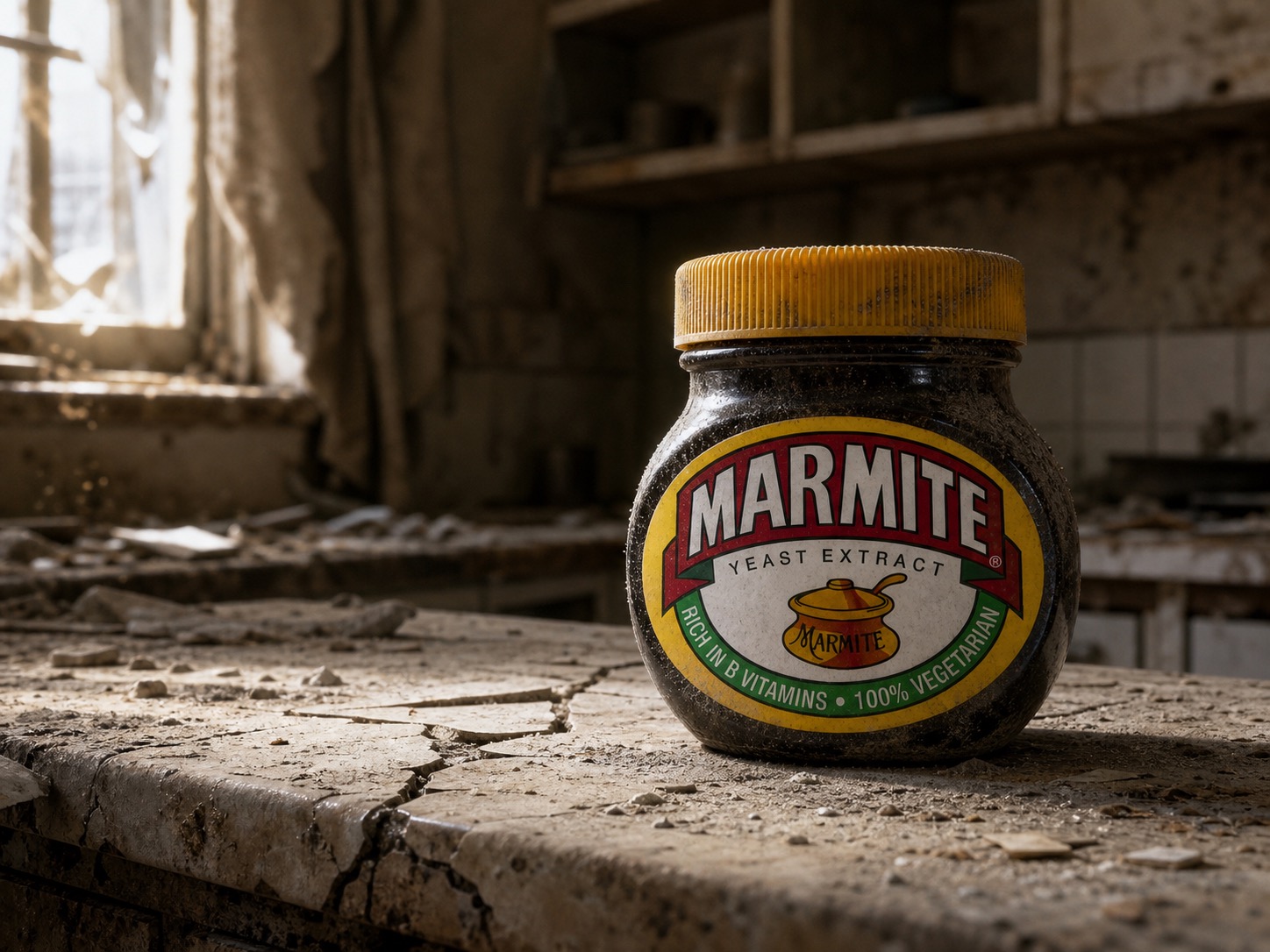
I have always joked that after the bombs drop, the cockroaches will be sitting around eating Marmite. It turns out both halves of that joke are half-true. Cockroaches really are more radiation-tolerant than us, though they are nowhere near the best in the insect world, and they would not survive ground zero anyway. Marmite, meanwhile, is genuinely one of the hardest foods on the planet to kill. I checked the science on both.
Marmite products: the complete range, from the jar to the snacks
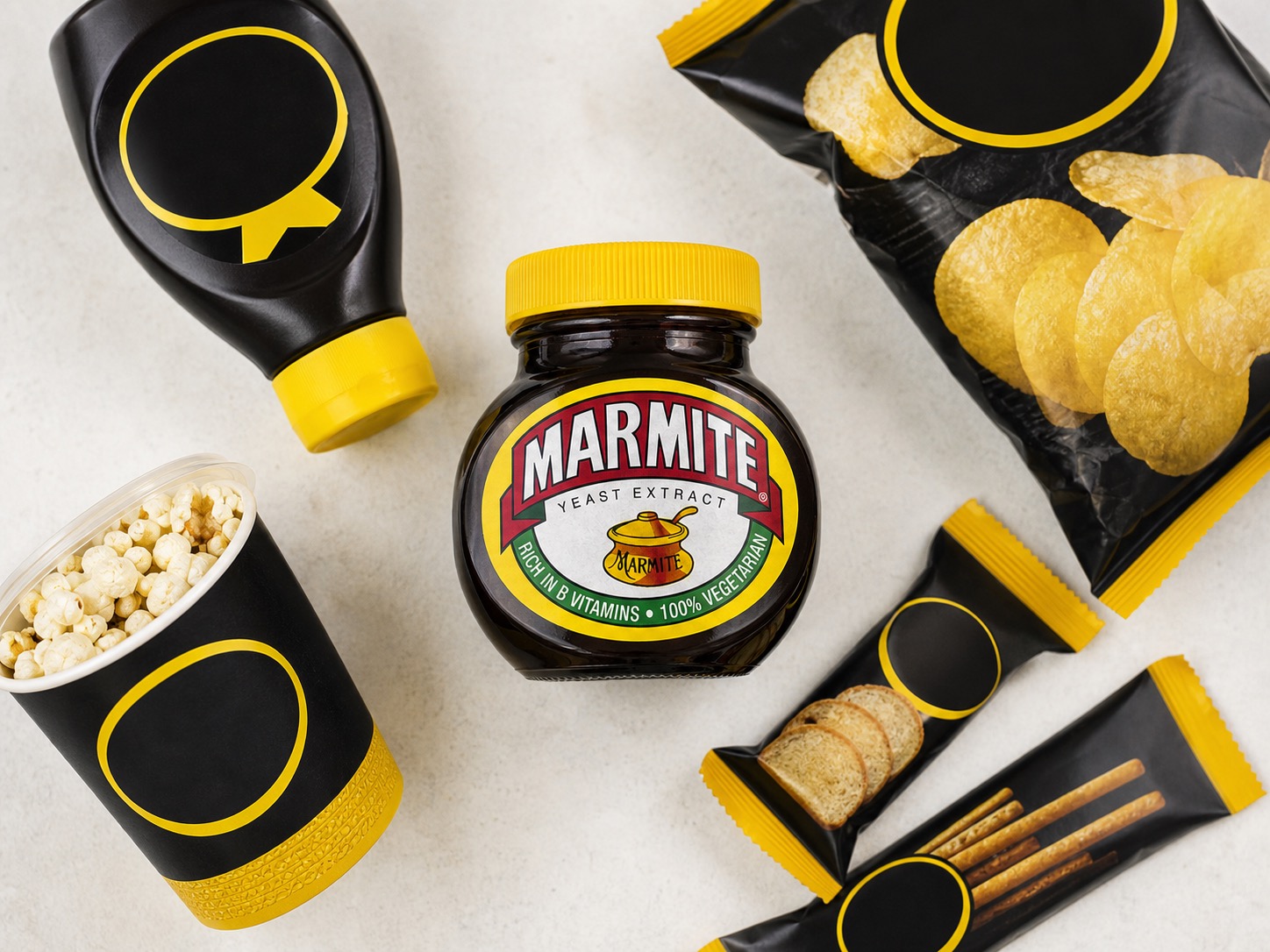
Marmite is no longer just a jar. The full range in one place: the classic spread, the Squeezy bottle and extra-strong XO, Marmite peanut butter, the snack line of crisps and popcorn, and the limited editions that appear and then sell out.