
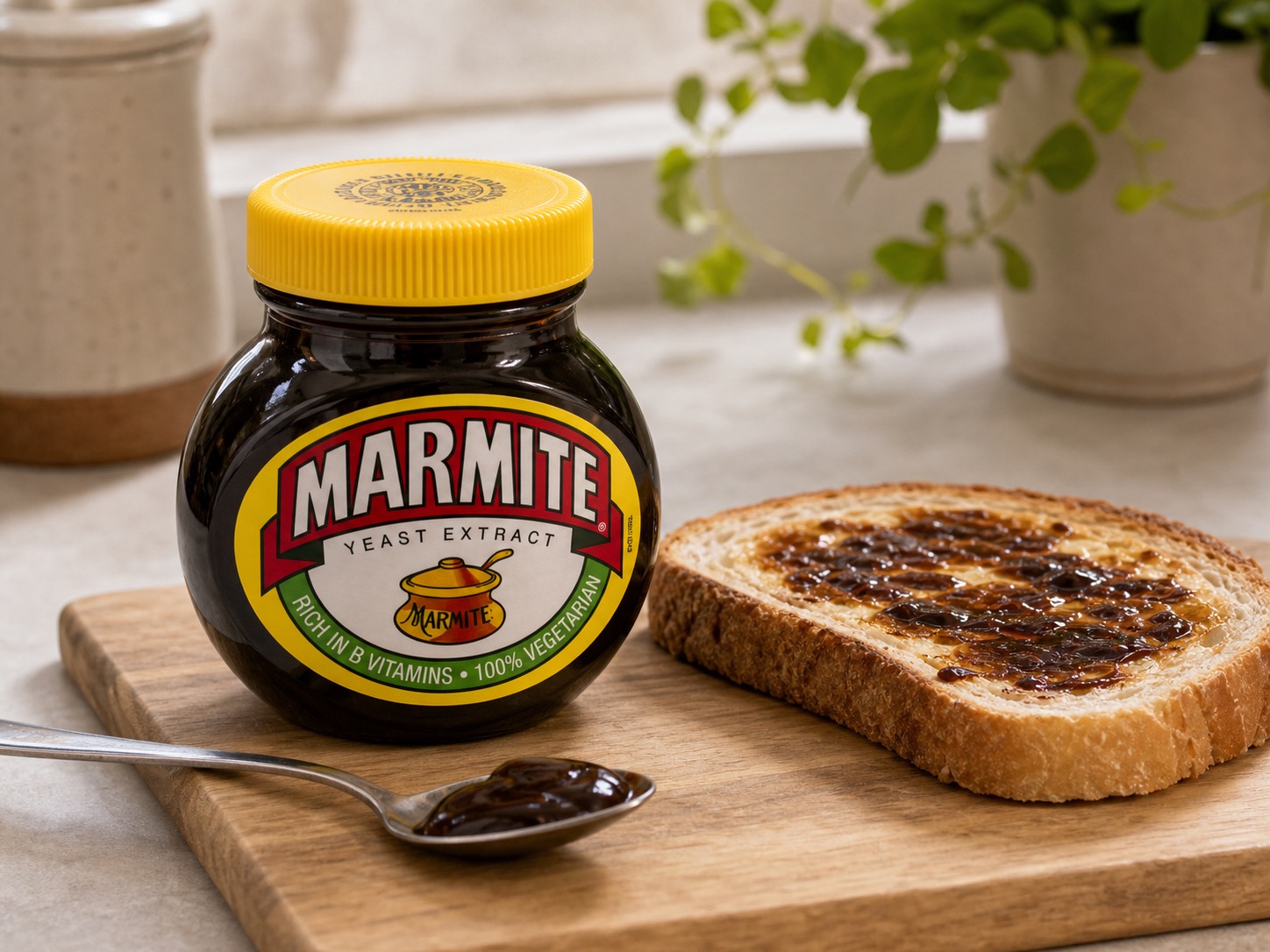
Marmite tastes the way it does because it is loaded with natural glutamates (the umami compounds), a lot of salt, and the dark, malty, slightly bitter notes from heating concentrated yeast. The intensity is the point, and it is why it divides people.
Marmite Articles
Explore our collection of articles about Marmite, Britain's most divisive spread.
Showing articles tagged with: science | View all articles

Does Marmite turn white if you stir it? Almost, and the reason is pure physics
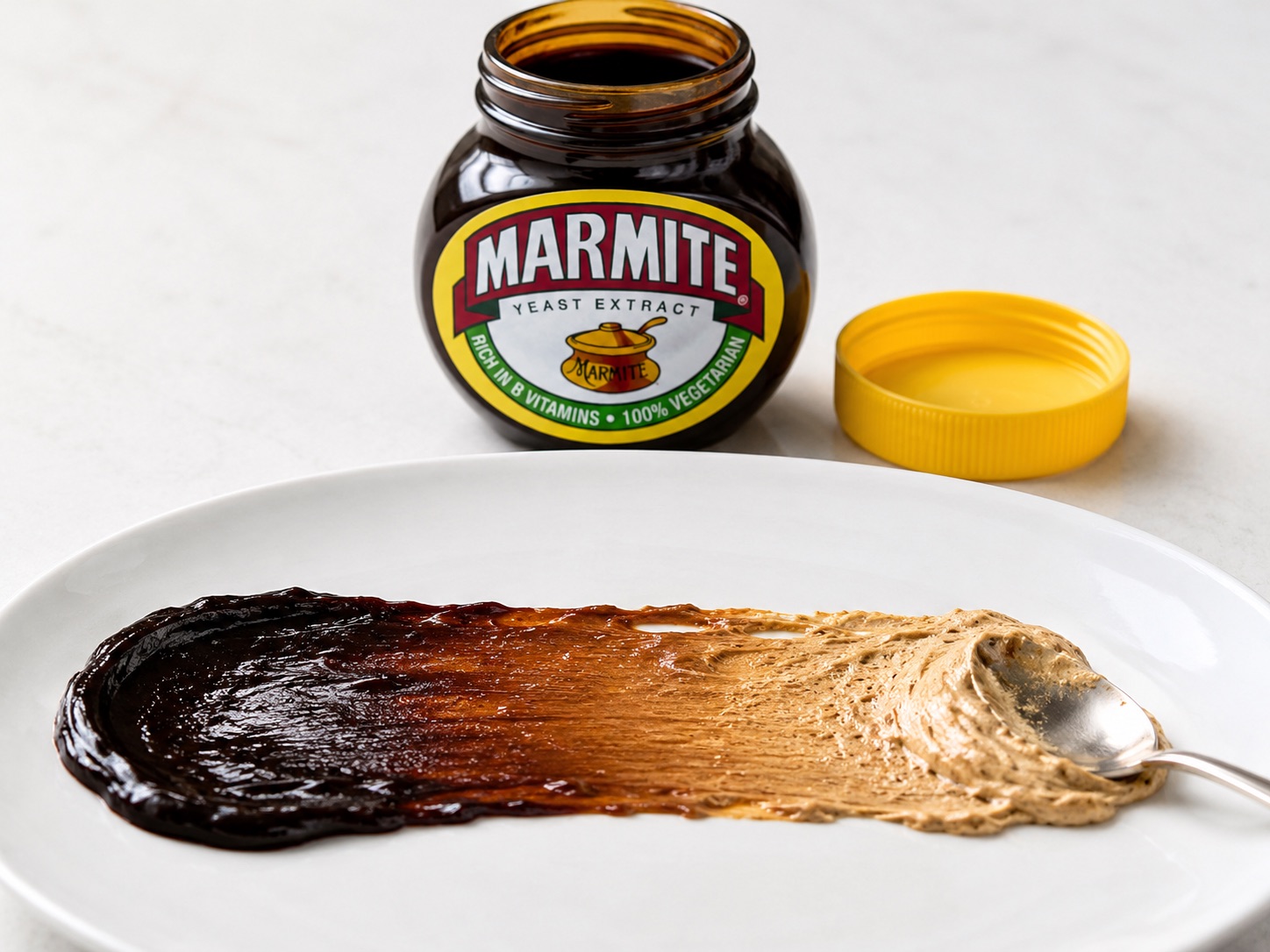
Most Marmite myths fall apart the moment you check them. This one does the opposite. Whip a blob of Marmite hard enough and it really does lighten dramatically, from near-black to a pale milky beige. Not, despite the legend, pure white, but startlingly pale. It is not a trick or a chemical reaction. It is physics, and you can do it on your own toast.
Tim Spector says Marmite is good for your gut, sort of
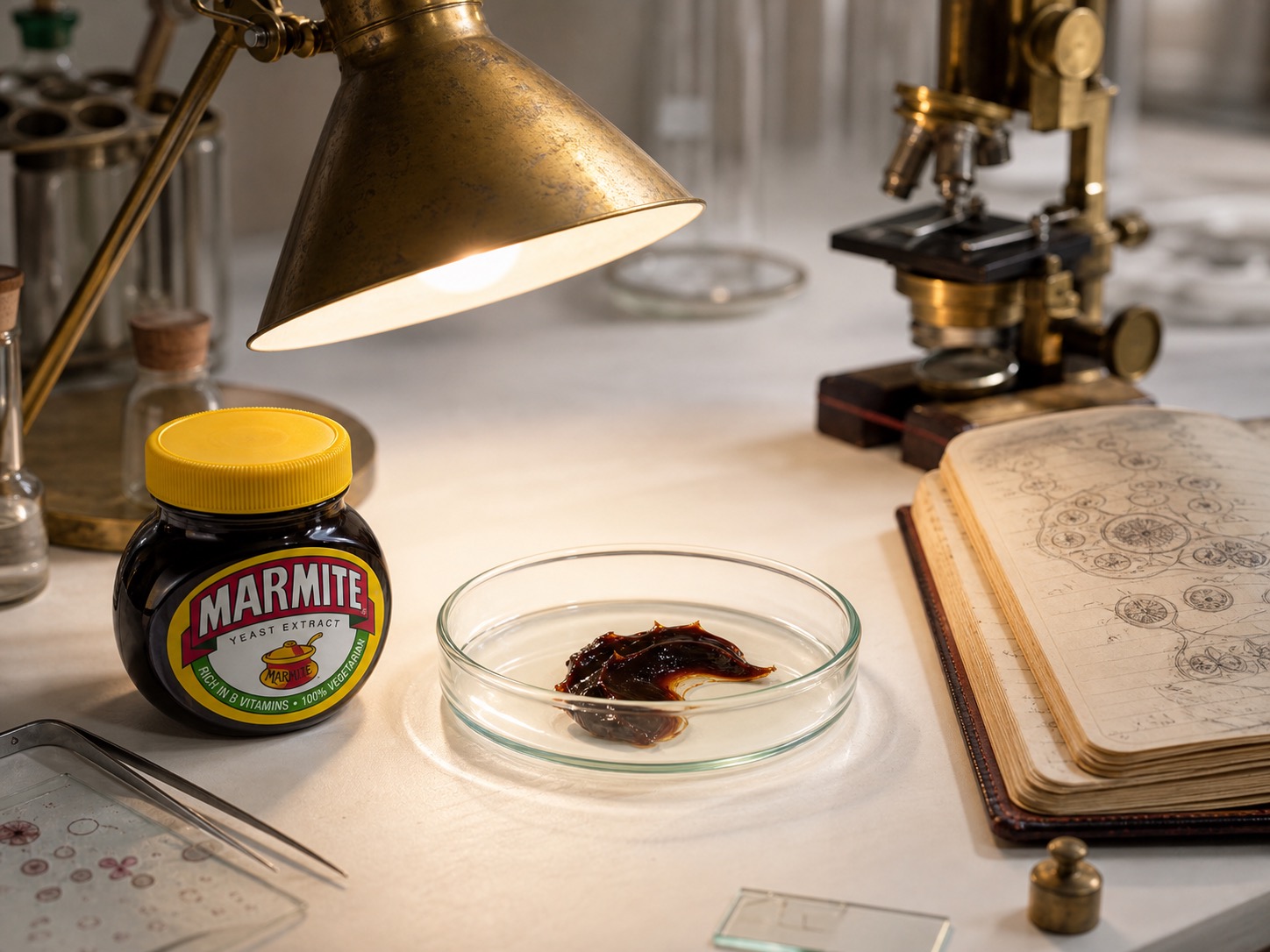
Tim Spector, the professor of genetic epidemiology at King's College London who runs the Zoe nutrition app, wrote a piece in the Independent this month listing the fermented foods he thinks are worth eating regularly.
How Marmite is actually made: the yeast that eats itself
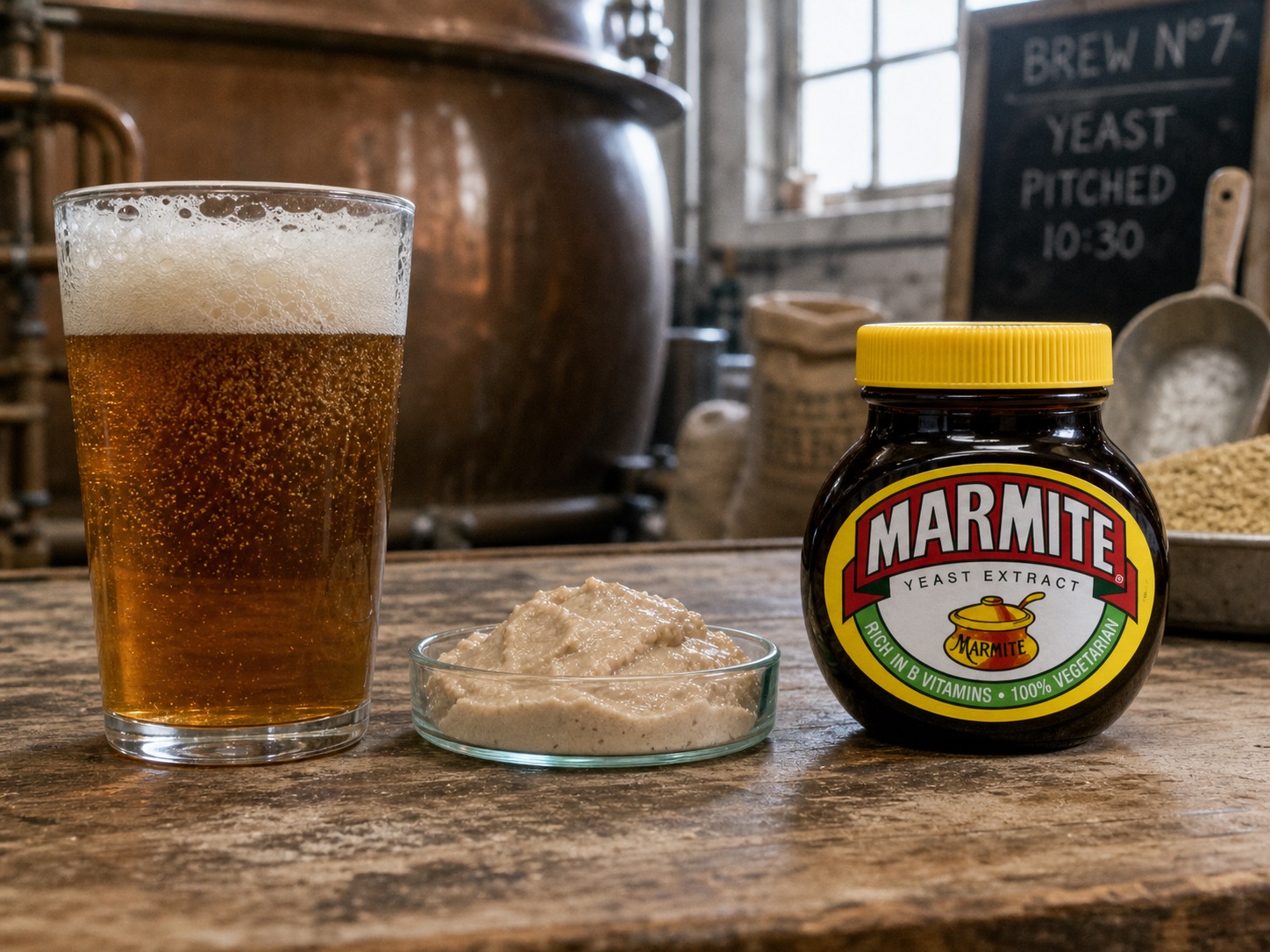
Marmite starts as the spent yeast left over from brewing beer. Salt makes the yeast cells digest themselves, the husks are sieved out, and what remains is a thick brown paste full of natural glutamates. The science of the jar, in plain English.
Is Marmite brain food? What the 2017 York study really found
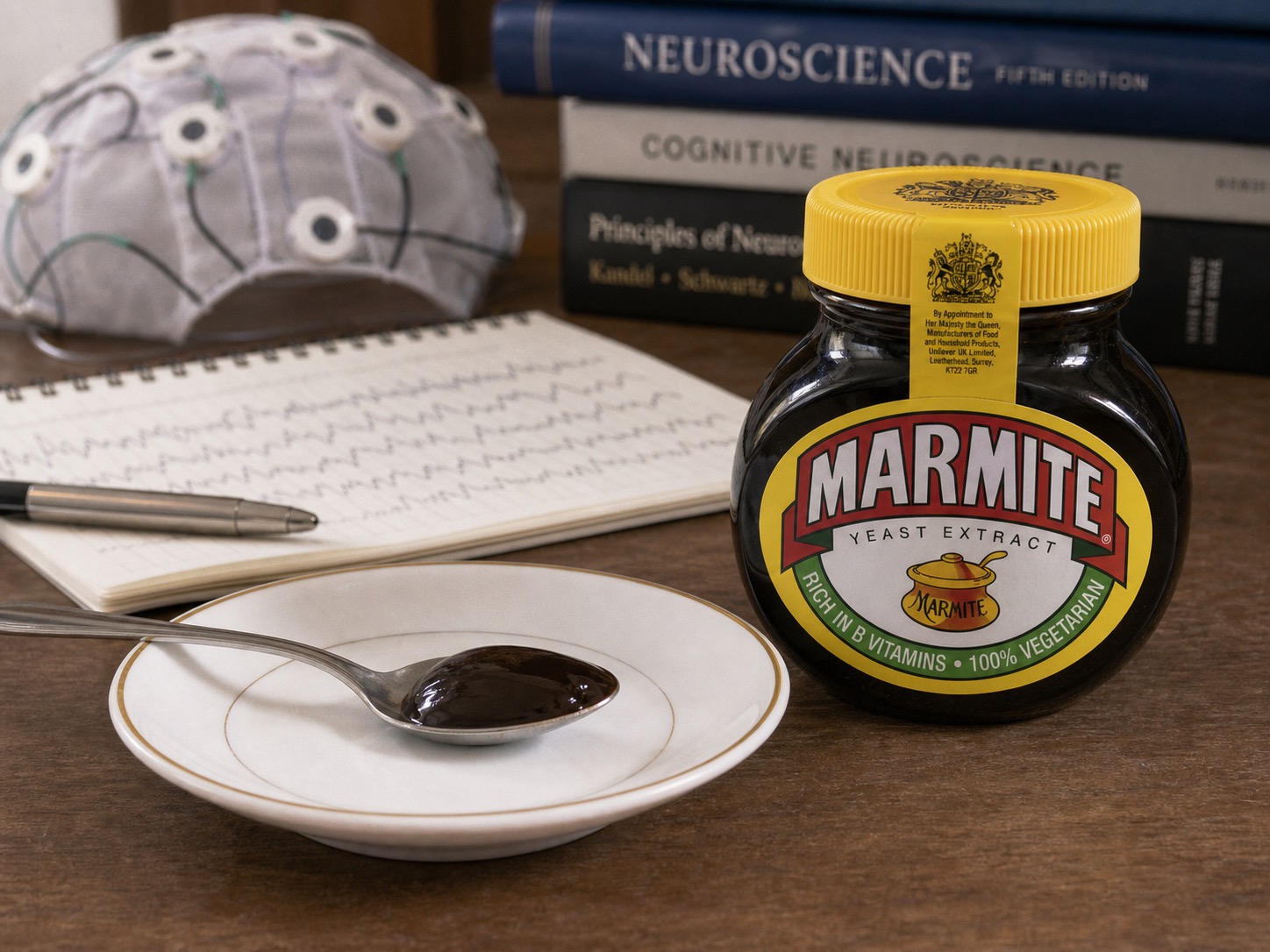
In 2017 the headlines said Marmite was good for your brain. The actual University of York study was 28 people, a teaspoon a day, and a measurable change in brain activity the press cheerfully oversold. What the research did and did not show.
Marmite does not, sadly, repel mosquitoes
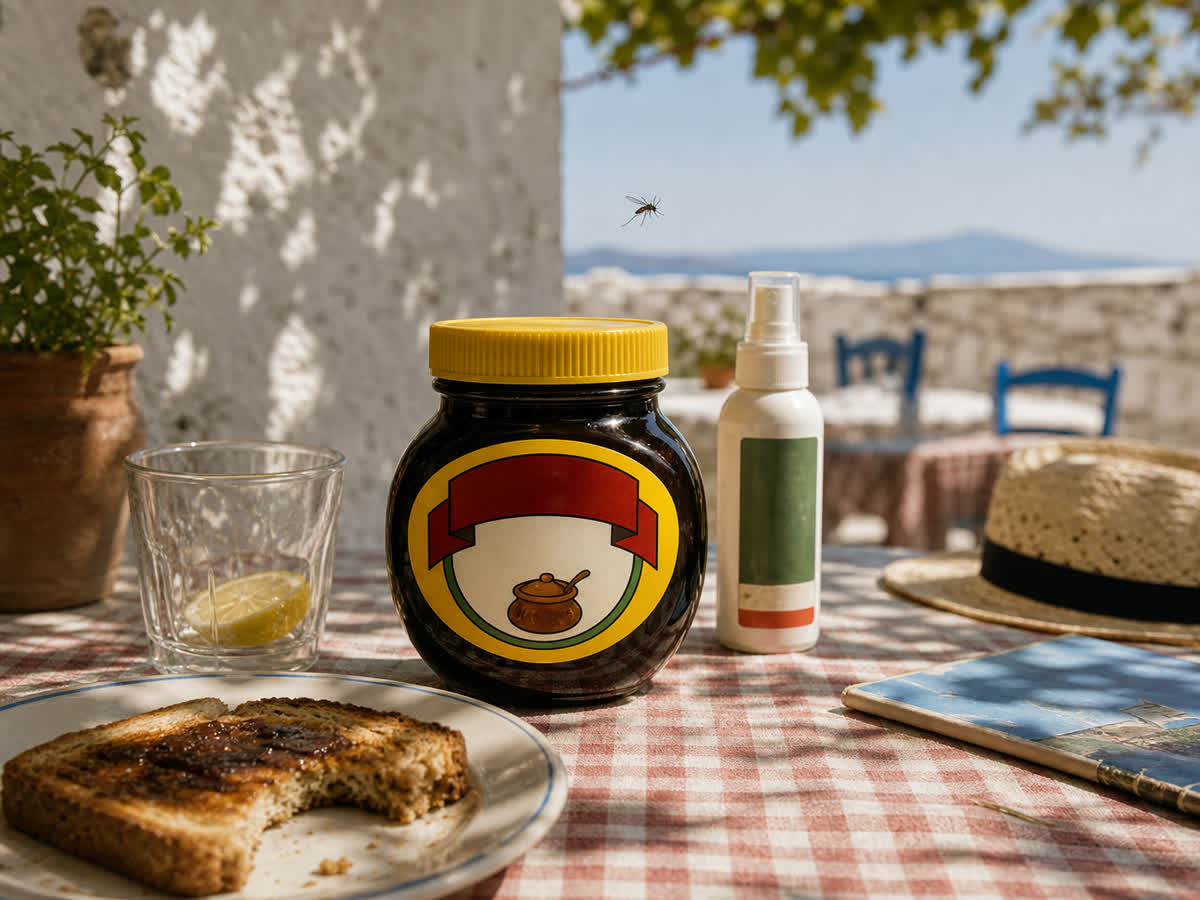
It goes like this. The B vitamins in Marmite, particularly thiamine (B1), are excreted through the skin in small amounts. Mosquitoes find the smell of thiamine unattractive. Therefore, eating Marmite makes you a less appealing target.
Lucy Wills, Marmite, and the discovery of folic acid
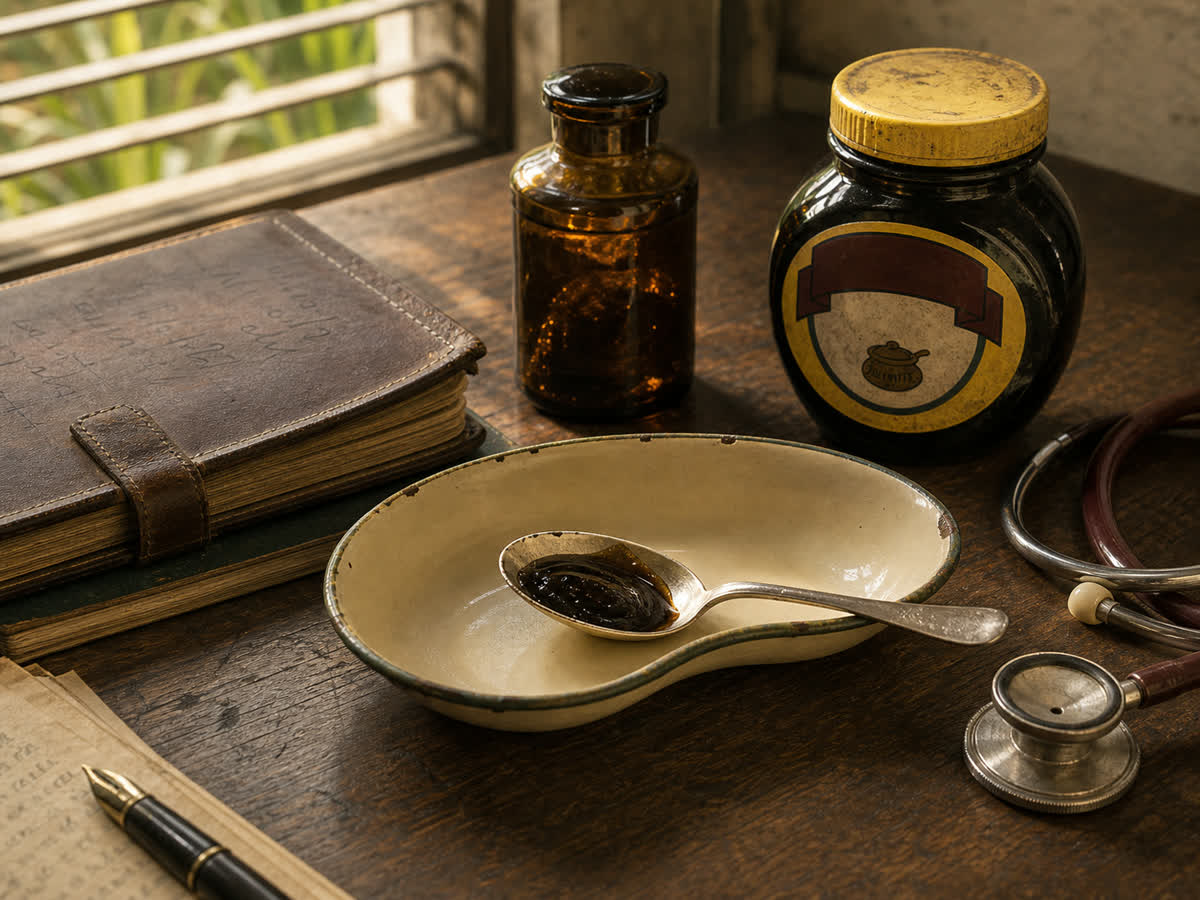
Lucy Wills was an English physician who graduated from Cambridge in 1928 and went to work at the Haffkine Institute in Bombay in the early 1930s. She was particularly interested in a severe and often fatal anaemia affecting pregnant women in the Bombay textile mills. The condition was puzzling.
Whether you love or hate Marmite is, partly, in your DNA
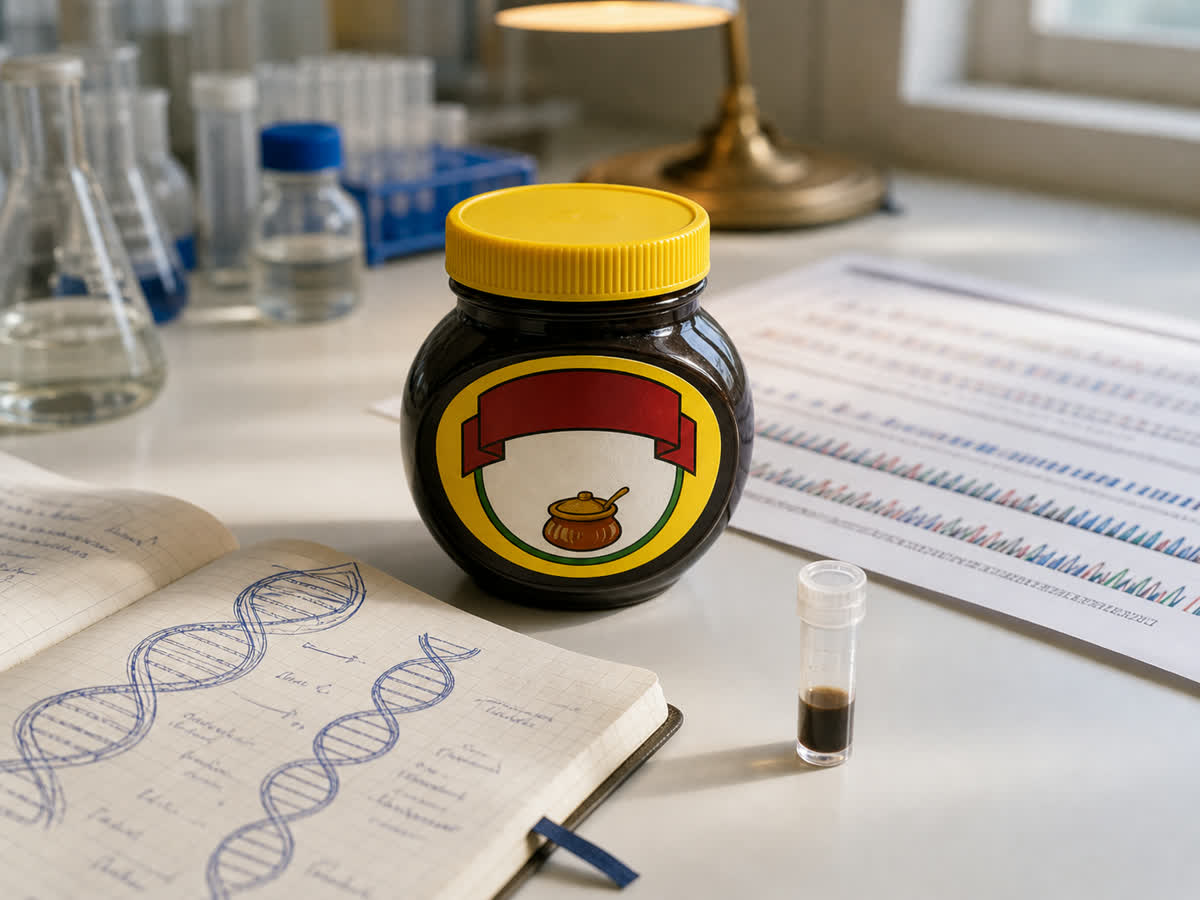
A few years back, the consumer-genetics company DNAFit ran a study they called the Marmite Gene Project. The aim was to see whether the famous love-it-or-hate-it divide had a genetic basis, beyond cultural exposure and childhood imprinting. The answer, surprisingly, was yes.
Marmite: A Vegetarian's Friend
While fish is the main dietary supply of the long-chain omega-3s eicosapentaenoic acid and docosahexaenoic acid, which have been shown to be essential in supporting brain health, low intake of eicosapentaenoic acid and docosahexaenoic acid in vegetarians won't adversely affect mood, based on a new study (Nutr J.
On the material properties of Marmite
From The Daily Grind Interesting stuff, Marmite. I recently started a large new jar, and apart from the seasonal shock at how damned expensive the stuff is, I find myself musing on the yeasty material's viscosity. As one does.
Page 1 of 2
Next »