
Bovril is a beef and yeast extract paste: 50 per cent beef broth, 27 per cent yeast extract, which makes it a quarter of the way to being Marmite. It was invented in the 1870s by a Scottish butcher in Canada to fill Napoleon III's order for a million cans of beef, was originally called Johnston's Fluid Beef, and takes its name from the Latin for ox plus a fictional energy source from an 1871 science-fiction novel.
Marmite Articles
Explore our collection of articles about Marmite, Britain's most divisive spread.
Showing articles tagged with: yeastextract | View all articles

Is Bovril vegetarian? No, but for two years it was
No. UK Bovril is 50 per cent beef broth, plus 1 per cent beef powder. But from July 2004 to 2006 Unilever made it without any beef at all, using a yeast mix running at 45 per cent yeast extract. The reason was not vegetarians: it was BSE, an export ban on British beef, and collapsing sales in Malaysia, China and Singapore. The beef came back in 2006 because the bans lifted and sales recovered, not because the vegetarian version failed.
Is Marmite an energy food? The truth behind the wartime reputation
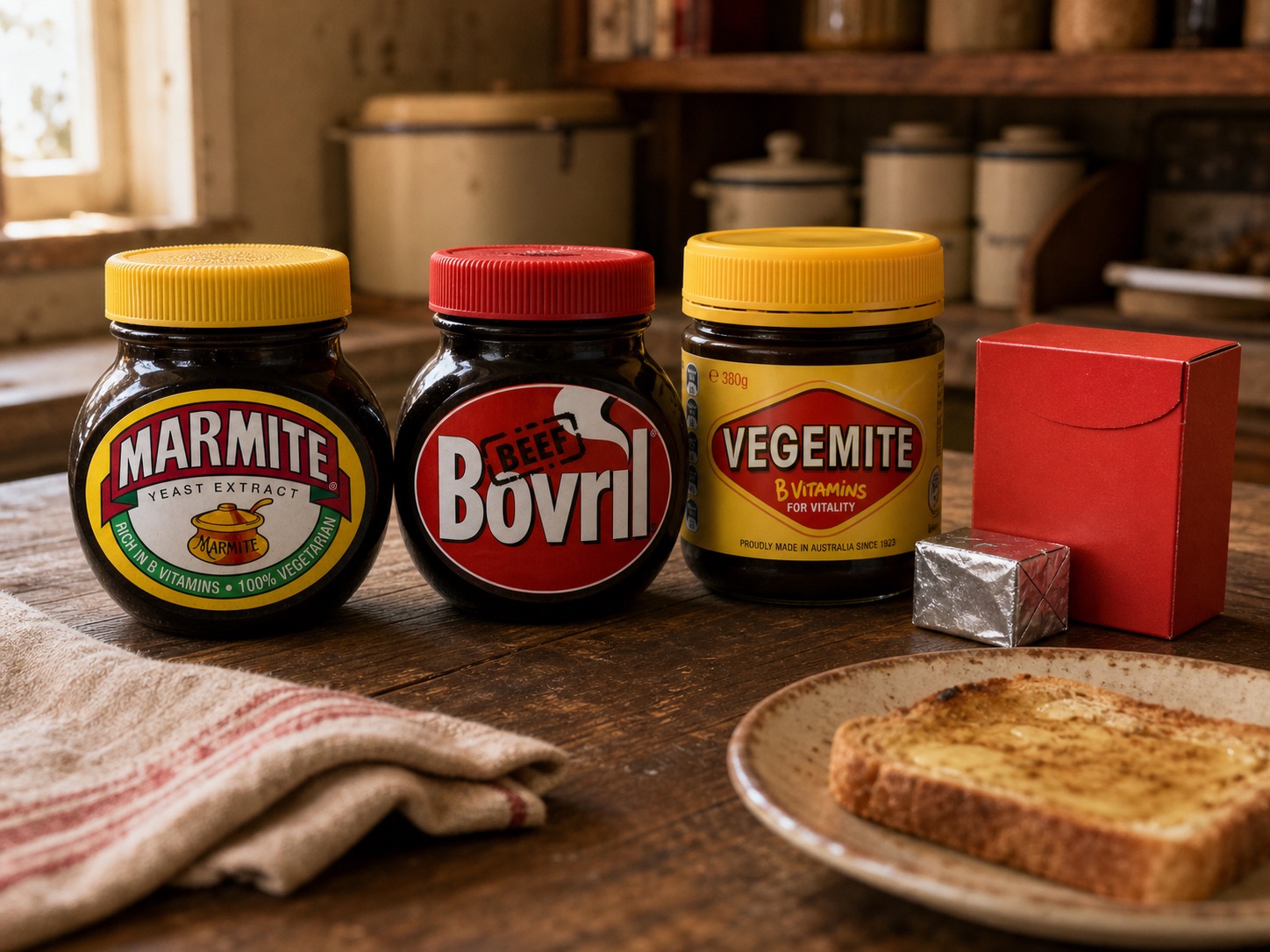
People half-remember Marmite as some kind of wartime energy product, the brown jar that kept factory workers and soldiers going. The reputation is real, but the science is widely misunderstood. Marmite barely contains any calories at all, so it is not an energy source in the way a sugary drink or a flapjack is. What it does carry is a heavy load of B vitamins, which help the body release energy from the food you eat. That distinction is the whole story.
Marmite vs Bovril vs Vegemite vs Oxo: the brown-jar showdown
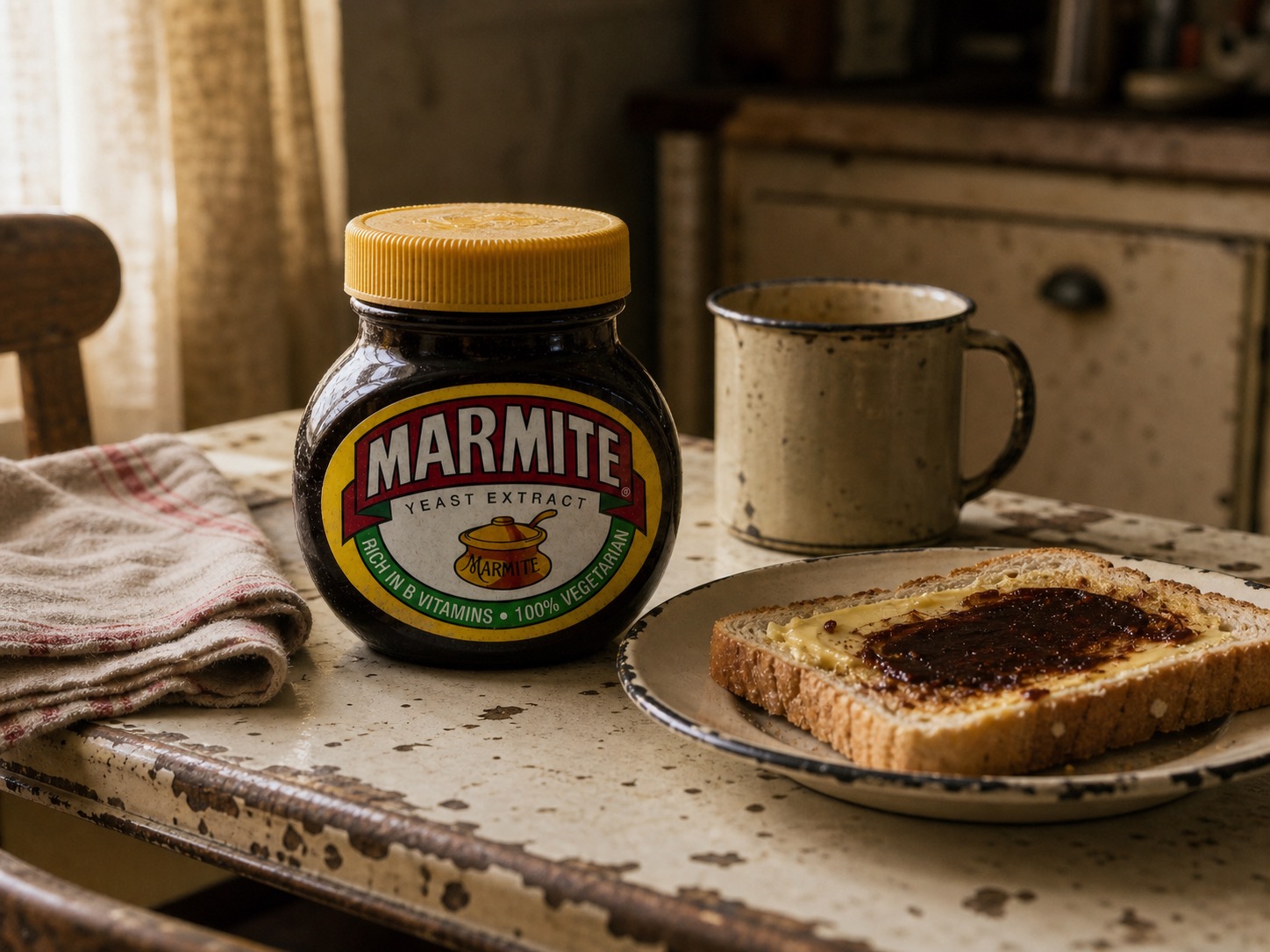
Four dark, salty British and Australian savoury staples that people muddle up constantly: Marmite, Bovril, Vegemite and Oxo. The one distinction that settles most arguments is what they are made from. Marmite and Vegemite are yeast extract and suit vegetarians and vegans. Bovril and Oxo are built on beef. The rest is detail: dates, owners, and which jar you actually want for the job in hand.
What is the German version of Marmite? Vitam-R, and Switzerland's Cenovis
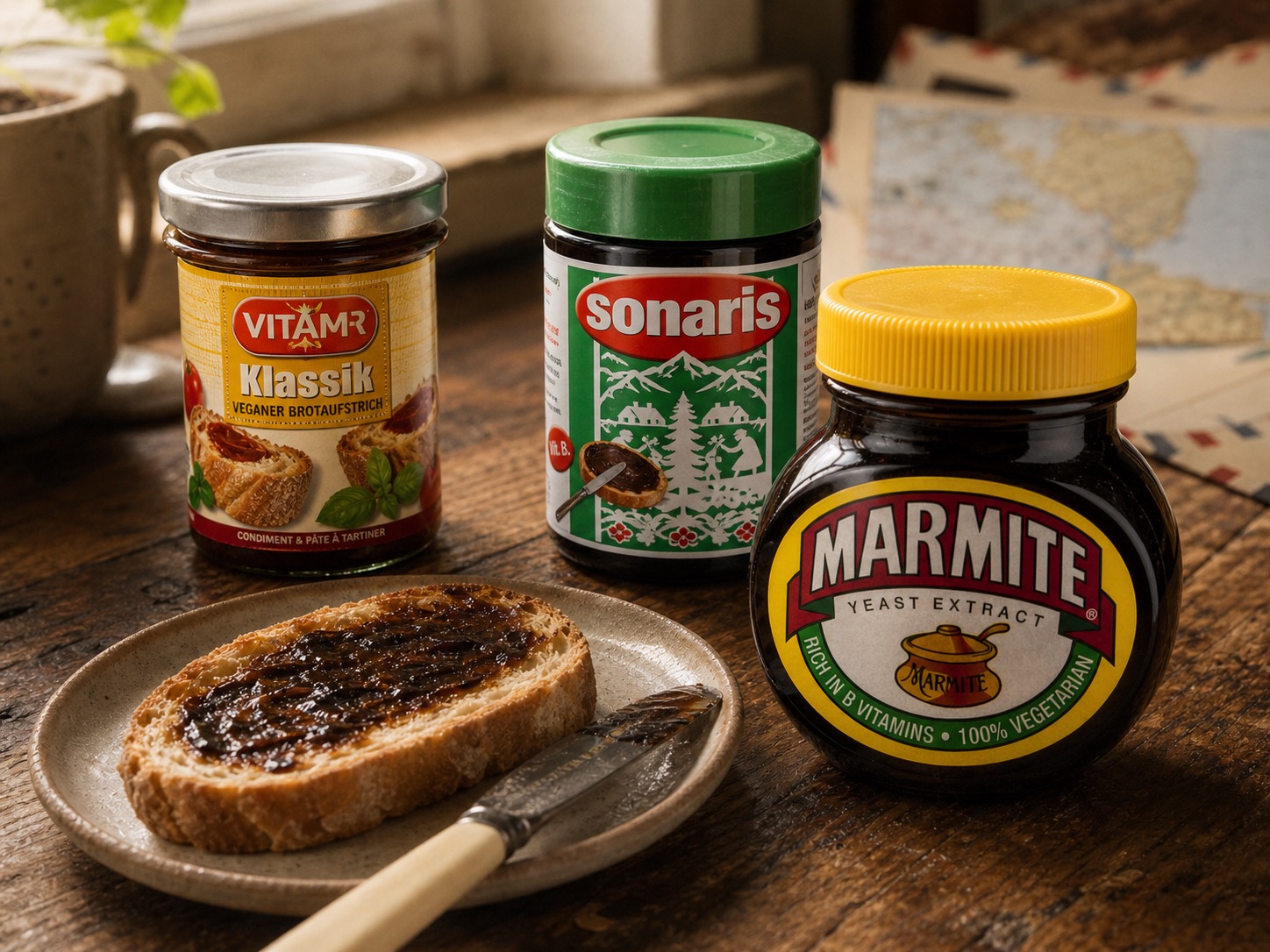
The German equivalent of Marmite is Vitam-R, made in Hameln since the 1920s; Switzerland has its own older version, Cenovis. Both are close cousins of the same idea: concentrated yeast, dark and salty, spread thinly on bread. How they compare, and why neither is quite the national icon Marmite is in Britain.
What is Marmite? A plain-English guide to Britain's most divisive spread
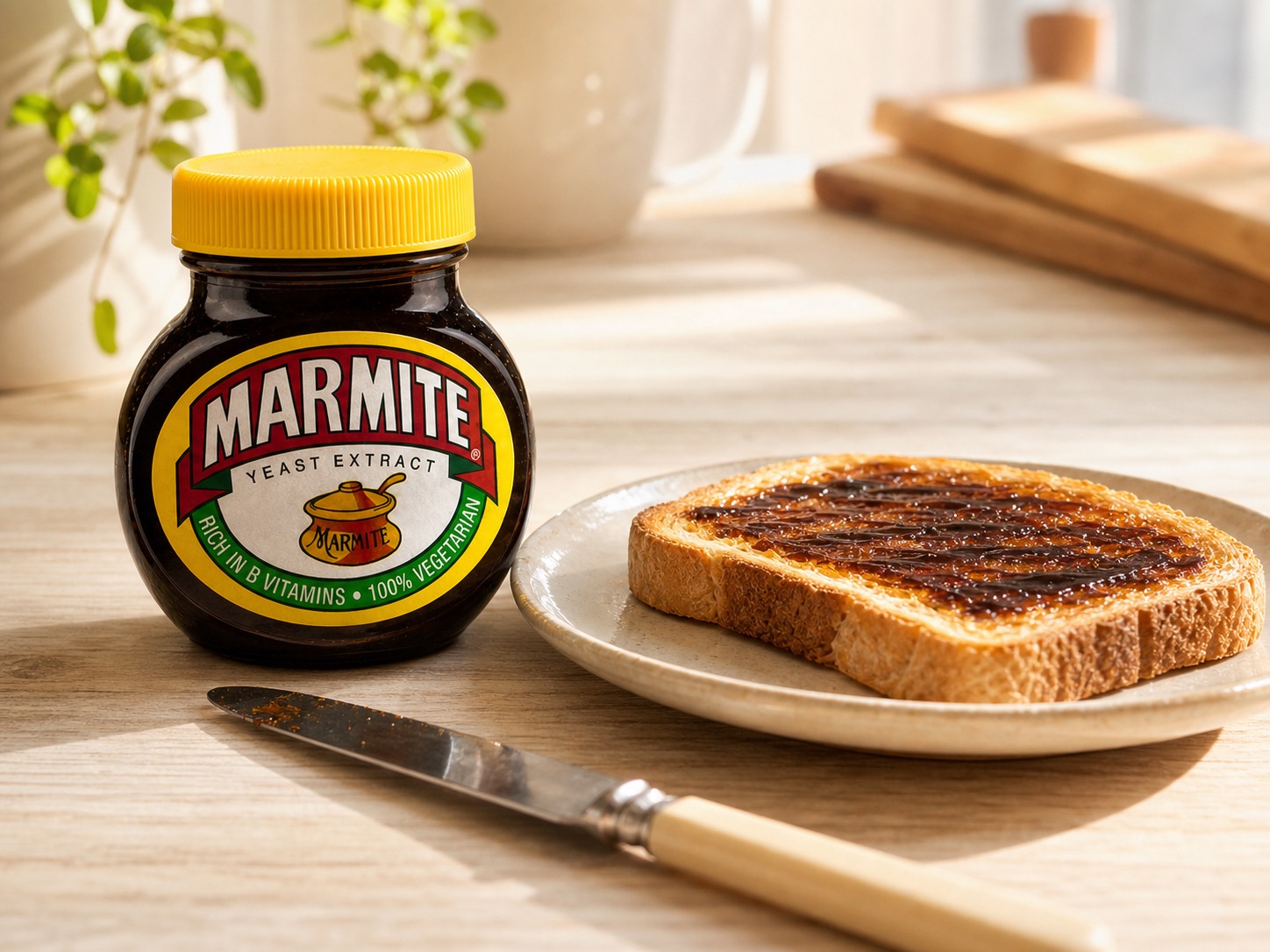
Marmite is a dark, salty British spread made from spent brewer's yeast, first produced in Burton-on-Trent in 1902. A plain-English guide to what it is, what it tastes like, what actually goes in the jar, and why the country has never agreed on it.
Could Vegemite buy Marmite?
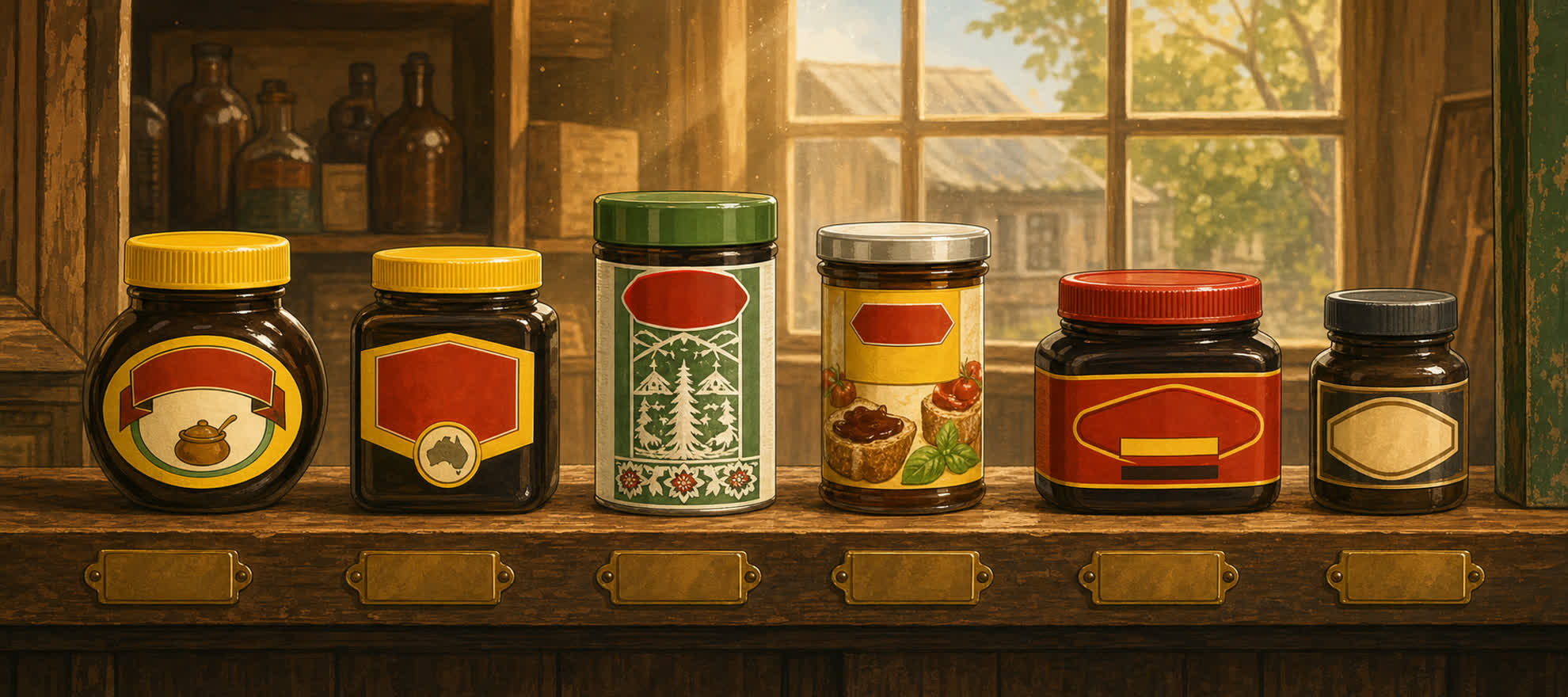
Yes, technically. Probably not. Definitely not in any way Britain would survive. Bear with me. This is the most fun thought experiment in the whole McCormick story, and it ends in a place that says something useful about why the yeast-extract category is shaped the way it is.
What is Marmite actually made of? A look at the ingredients list, in plain English
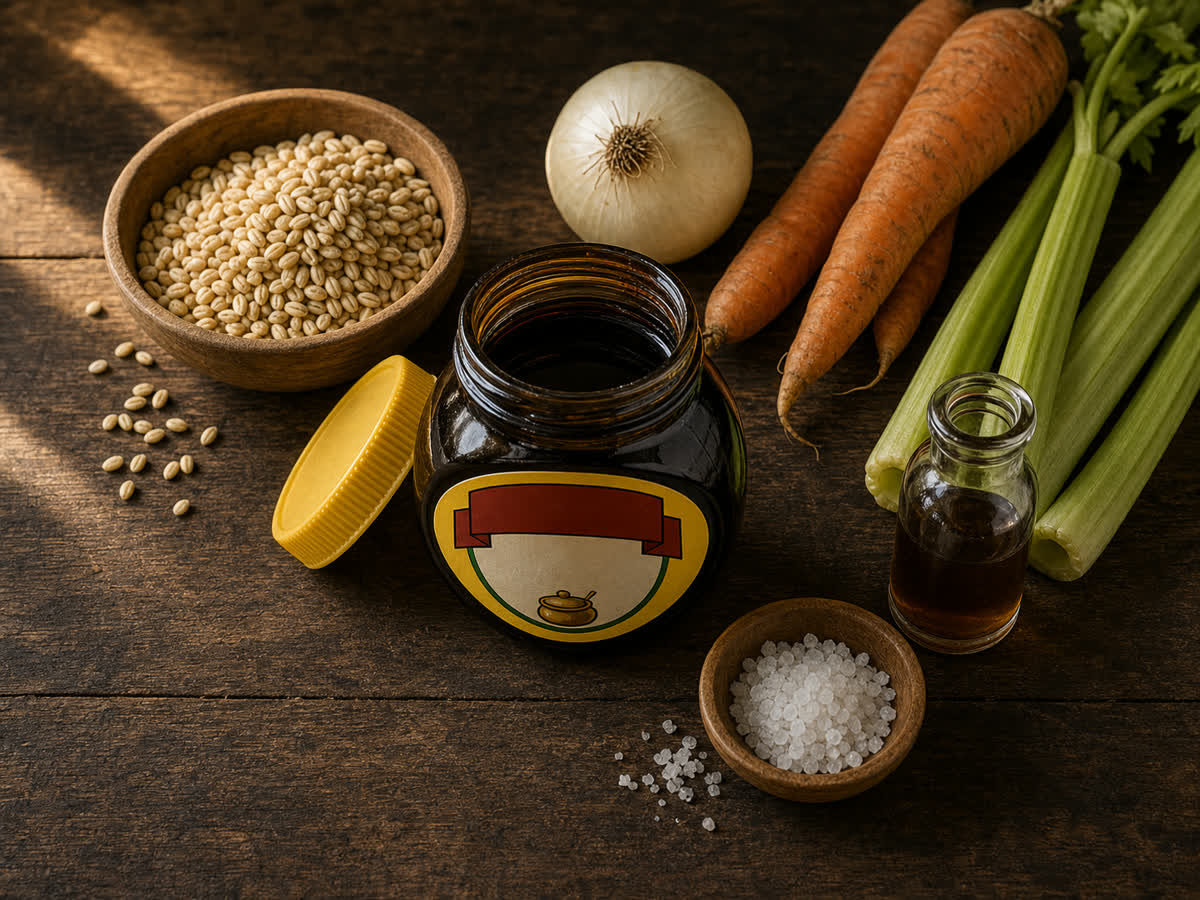
The five things on a Marmite jar's label, in plain English: yeast extract, salt, vegetable juice concentrate, five added B vitamins, and a natural flavouring that contains celery. What the list used to say, and what is not in the jar.
Marmite vs Vegemite: what is the difference, and which one wins?
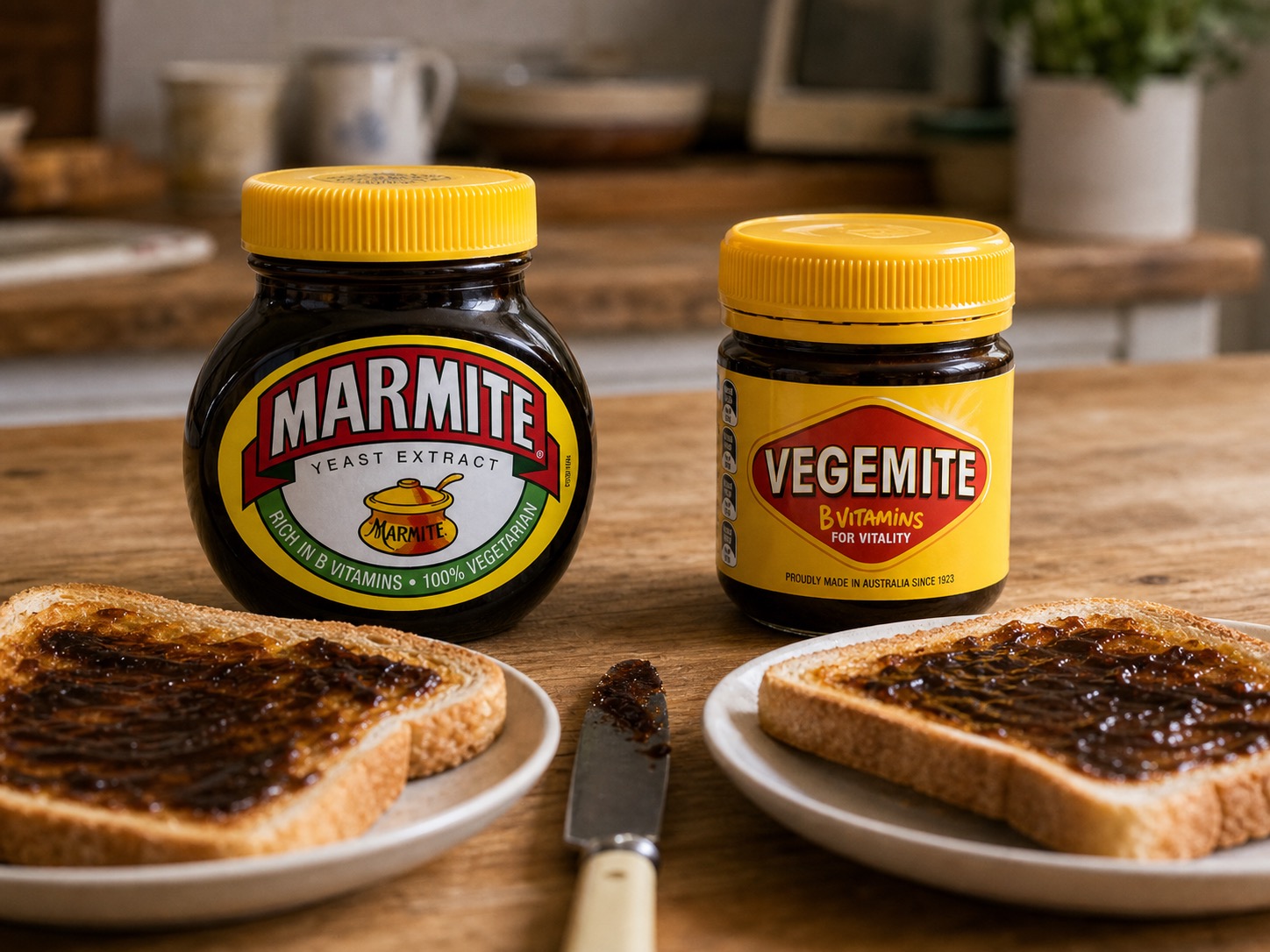
Marmite and Vegemite are both yeast-extract spreads, but not the same jar: Marmite is British, sweeter and B12-fortified; Vegemite is Australian, saltier and thicker. The differences, the WW1 origin, the nutrition split, and a partisan verdict.
How long does Marmite last, and does it ever actually go off?
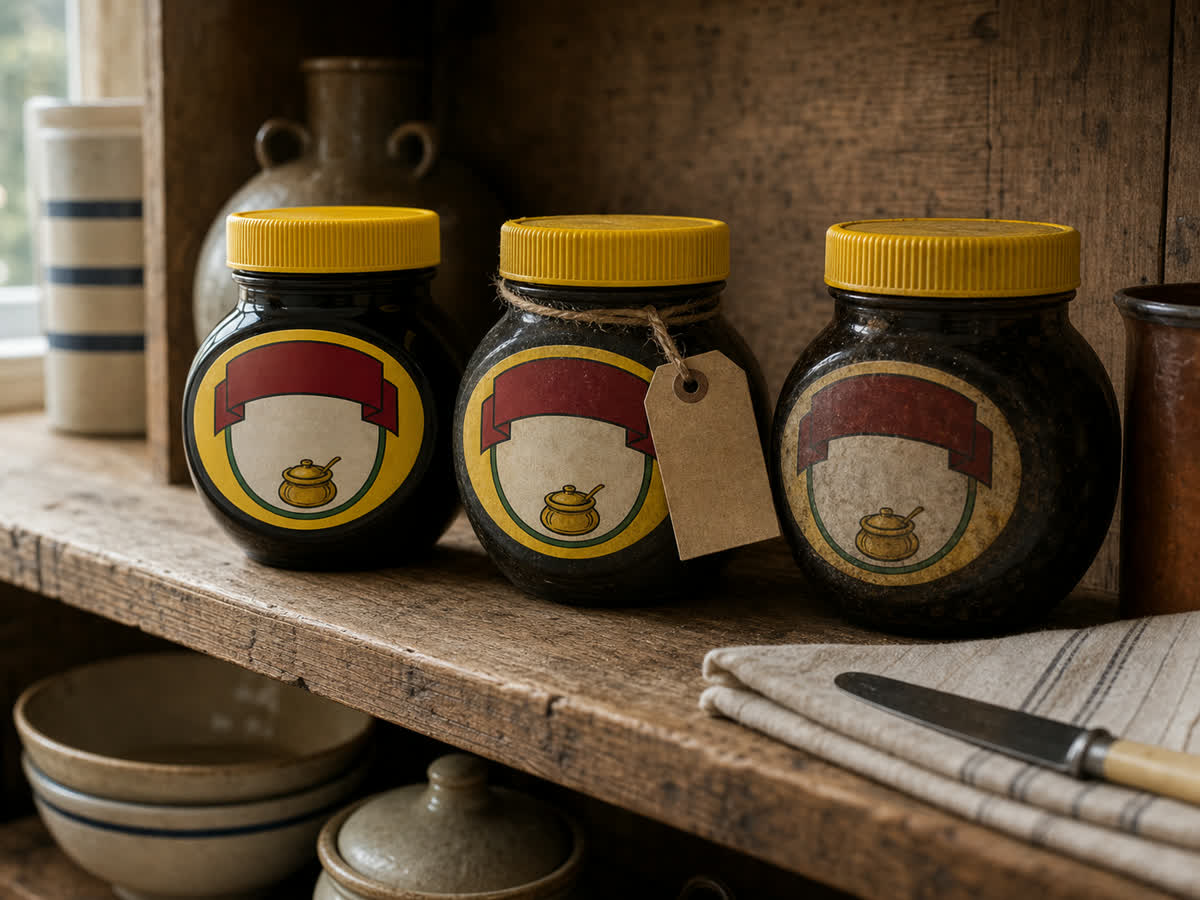
How long Marmite lasts opened and unopened, why the salt and low water content make it nearly impossible to spoil, whether it belongs in the fridge (it does not), and the three signs that a jar should actually be binned.
Page 1 of 3
Next »